A seven-year-old girl was sexually assaulted inside a school toilet in Vasco. Thirteen years later, we still do not know who did it. Six-year-old Pranay Teja went to school in Visakhapatnam and never returned home alive after an alleged incident of corporal punishment. And then there is Amaira—the nine-year-old whose story I wrote about earlier because it raised disturbing questions about bullying, distress and whether adults entrusted with children listen when a child asks for help.
Three children. Three stories. Sexual abuse. Alleged physical violence. Bullying and distress. Yet together they force us to confront something bigger: how does Goa treat its children?
We call children our future. Every political speech does. Election manifestos promise education, scholarships, technology, sports and infrastructure. But when was the last time child protection became a political agenda in Goa? Will any political party tell us how it intends to protect children from abuse, exploitation, violence and neglect? Will child protection feature in manifestos? Will candidates speak about it? Will voters ask them?
Perhaps that silence explains why we repeatedly react only after children are harmed.
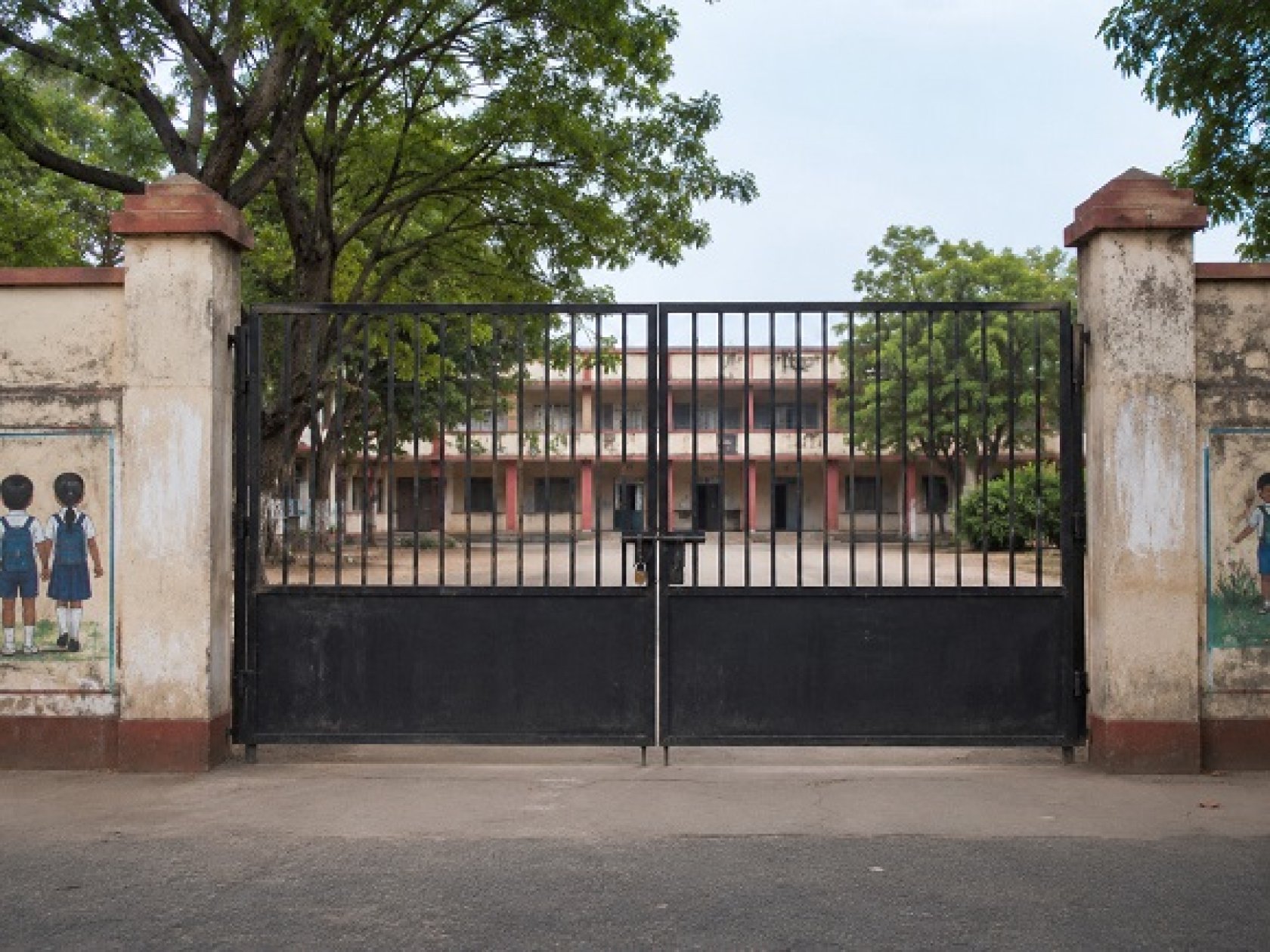
The Vasco case should haunt Goa. A seven-year-old child was sexually assaulted inside a school toilet, within an institution where her parents reasonably expected safety. Yet the offender could not be identified. The Children's Court has reportedly accepted the CBI closure report.
What changed in our schools because of her? Were vulnerable spaces mapped? Were toilets, staircases, empty classrooms, corridors, buses, changing areas and isolated corners assessed from a child's perspective? Or did we simply move on? Then came Amaira.
I wrote about Amaira because her story forced us to confront what happens when children communicate distress and adults allegedly fail to recognise or adequately respond. Long before Amaira's death, during my tenure as Chairperson of the Goa State Commission for Protection of Child Rights, I had recommended stronger implementation of comprehensive anti-bullying and cyberbullying guidelines in Goa's schools.
Where are those safeguards today? Have they been meaningfully implemented? Are teachers trained to recognise bullying? Does every child know where to report it? Are complaints documented and followed up? Is cyberbullying treated seriously? Has the Education Department audited compliance? Who is checking?
Now Pranay confronts us with another warning. The six-year-old reportedly collapsed after his teacher allegedly scolded and slapped him for not completing his homework. The exact medical cause and responsibility must be established through investigation and due process.
Before Goa dismisses Pranay as another State's tragedy, consider our record. Data reportedly placed before the Goa Legislative Assembly showed 12 verified cases of corporal punishment in Goa schools over three years, with seven reportedly occurring within one year across government-aided institutions. How many were never reported? How many children were hit, threatened or humiliated and quietly returned the next morning?
Goa has had other warnings. A Sanguem school headmistress was suspended after CCTV footage reportedly captured her physically assaulting a Class VI student. In another case, two primary-school teachers were arrested following allegations that a nine-year-old Class IV student was beaten. The pattern is familiar: incident, outrage, inquiry, circular, silence—and then another child.
Goa does not lack laws. The Right to Education Act prohibits physical punishment and mental harassment. POCSO addresses sexual offences. The Juvenile Justice framework addresses cruelty against children. We do not suffer from a shortage of paper. We suffer from a shortage of implementation, monitoring and accountability.
We also misunderstand child protection. POCSO goes into one file. Corporal punishment gets another circular. Bullying gets guidelines. Cyberbullying becomes a digital-safety programme. Mental health becomes another initiative. But children do not experience harm according to government files.
Child protection means protecting children from abuse, exploitation, violence and neglect. Unsafe transportation is a child protection concern. When a distressed child seeks help and nobody meaningfully responds, that too is child protection.
Goa therefore needs a comprehensive, enforceable Goa School Child Protection Policy—something I advocated during my tenure at the State Commission. Instead of scattered circulars, Goa needs one safeguarding framework applicable to every government, aided and private school, covering prevention, identification, reporting, response, referral and accountability.
Every school needs a functional child protection mechanism, not another committee existing only on paper. Principals, teachers, counsellors, coaches, drivers, conductors, security personnel and contractual staff must understand safeguarding responsibilities.
Implementation must also be audited. Every school should undergo an annual Child Protection Audit examining complaints and outcomes, vulnerable spaces, staff training, corporal punishment, bullying and cyberbullying mechanisms, digital safety, transport safety and POCSO compliance. Most importantly, inspectors must talk to children. Ask them: “Do you feel safe in this school?” Their answers may reveal more than compliance certificates.
But responsibility cannot remain with the Education Department. Child protection must become a political priority.
As Goa approaches another political cycle, every party should be asked: where is your child protection agenda? Where is the commitment to a School Child Protection Policy? Where are budgets for prevention, counsellors and trained social workers? Where is accountability? Where are children in manifestos beyond scholarships, laptops and infrastructure?
Children do not vote. Perhaps that is why protecting them rarely becomes an election issue. They cannot organise electoral pressure or threaten governments at the ballot box. Yet the State's responsibility should be greater precisely because children possess the least political power.
Goa proudly calls itself developed, educated and progressive. Then our standard cannot simply be literacy rates, board results or new buildings. We must also ask: how does Goa treat a frightened child? Does someone listen? Does someone believe them? Does someone intervene? Does someone protect them?
A seven-year-old girl in Vasco should have forced these questions thirteen years ago. Amaira asked them again. Pranay asks them again today. How many children must ask before Goa answers?
Perhaps the next vulnerable child is already sitting in a classroom. We do not know that child's name. Our goal must be to ensure we never learn it from tomorrow's headline, but instead build a Goa where protecting children becomes as politically important as promising them a future.