Prof Sundeep Nayak, IAS (Retd.) and Dr Kyawt Yin Min Thein
On a monsoon morning in Ponda, the queue at the cooperative counter looks much as it has for decades. A cashew grower wants fertiliser. An arecanut farmer has come to sell his crop. A retired teacher is buying rice. Nobody is talking about climate change. Yet every one of them is living it.
The rain arrives later and harder. April is hotter. Goa’s draft State Biodiversity Strategy and Action Plan records that the sea off our shores rose about 1.45 mm a year between 1969 and 2013, and that our mean temperature has risen by more than 1°C since the early 1900s.
These numbers decide whether a khazan field floods, a cashew flower sets fruit or a fisher’s catch holds. For Goa, climate resilience is a livelihood strategy. The institution best placed to deliver it may be the cooperative society next door.
Why cooperatives, why now
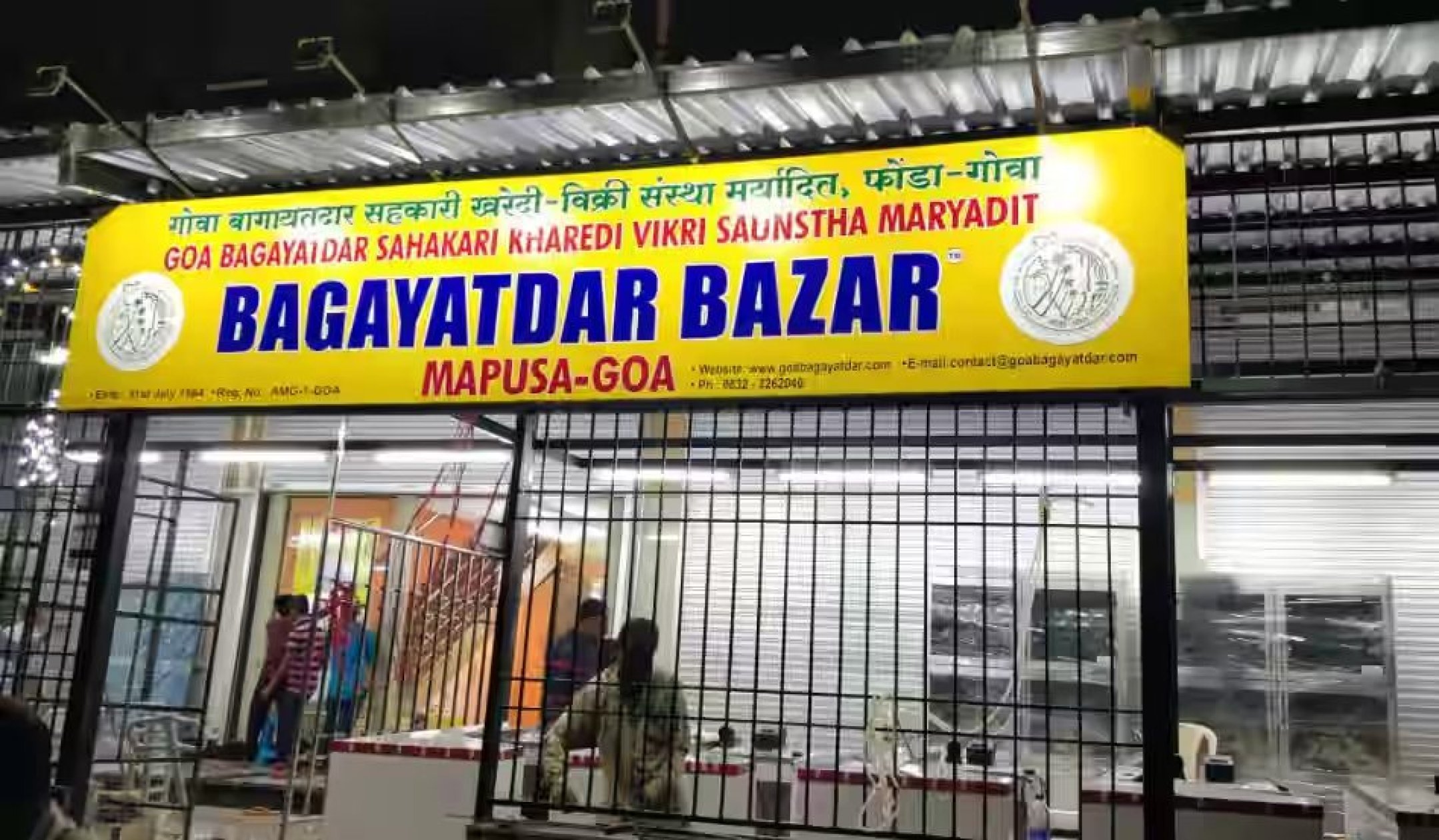
Cooperatives sit exactly where climate risk lands: With farmers, fishers, dairy producers and small traders. Members trust them, and they think in generations, not quarters. Goa knows this instinctively; our khazans were managed collectively for centuries. Today the Goa Bagayatdar society, founded in 1964 with 116 members, serves more than 10,000 farmer-members.
The national framework has changed too. Under Sahakar se Samriddhi, the Ministry of Cooperation has issued model bye-laws that let primary agricultural credit societies (PACS) take up more than 25 kinds of business, once States adopt them. In Goa, 86 PACS are covered by the national computerisation project, and 51 were on the common digital platform by February 2026. A society that can run a Common Service Centre can also run a solar plant or a processing unit.
Climate action that pays
The State has laid a strong foundation. Through the Goa Energy Development Agency, it adds its own subsidy to central support under PM Surya Ghar, and aims to install 11,365 rooftop solar systems in 2026-27. Under PM-KUSUM, 182 off-grid solar pumps already run in Goa, and PACS are eligible to set up small solar plants and sell power to the grid.
Picture a PACS in Bicholim or Quepem with solar on its godown. Cashew societies investing in efficient processing. Coconut producers pooling equipment for coir. A fishers’ cooperative near Vasco running solar-assisted cold storage, cutting diesel bills and spoilage.
Goa also has something most farming regions lack: The customers come to us. Cooperatives and women’s SHGs could supply hotels directly with vegetables, cashew, coconut products and seafood, and offer composting. That keeps more of the tourist rupee in Goan villages.
What others have shown
In 2016, farmers in Dhundi village of Gujarat’s Kheda district formed what was then India’s only solar cooperative, selling surplus power to the grid. Banas Dairy’s newest plant can turn up to 100 tonnes of cattle dung a day into bio-CNG.
Kerala’s Kudumbashree shows what women’s enterprises can achieve, and Germany has more than 1,000 citizen energy cooperatives. Goa need not copy them, only adapt their principles: Community ownership, professional management and reliable markets.
Not every society should enter every business. Many first need stronger governance, professional accounts and technical staff. Lenders still find solar unfamiliar, land is scarce, and green enterprises must pay their way.
A practical start
Goa could begin small. The Cooperation Department, with GEDA and the Agriculture and Fisheries Departments, could select ten willing cooperatives across talukas and help each prepare one bankable green business, with a plan, named customers and measurable gains. NCDC, NABARD and cooperative banks can finance what proves viable. Students from IIT Goa and Goa University can help with energy audits.
Goa has always solved problems together: In the khazans, at the village feast, at the society counter. A cooperative is a business its people own, not merely a queue at which they wait.
Sahakar se Samriddhi can also become Sahakar se Suraksha: Prosperity and protection, through cooperation.
Goa is already warmer and its sea higher than a century ago. Farmers, fishers and dairy producers feel it first, and most of them belong to a cooperative. New national rules let PACS run solar plants and processing units, and the State’s solar subsidy and PM-KUSUM add the money. Solar on a godown or cold storage for fishers cuts costs, creates local jobs and lowers emissions together. Goa’s tourists are a ready market. What Goa needs now is ten pilot societies to show the way.
Five practical
recommendations
Government (State): Help ten willing cooperatives each build one bankable green business, with one-window support from GEDA and the Agriculture and Fisheries Departments.
Local authorities: Lease panchayat and municipal rooftops to cooperatives for solar, and add their climate projects to village and ward plans.
Communities: At the next annual general meeting, commission a basic energy audit and take one low-cost step, such as solar on the godown or composting.
Businesses: Banks and NCDC can offer simple green loans; hotels can buy directly from local societies and SHGs.
Citizens: Ask your society what it is doing for the climate, and follow Mission LiFE’s seven themes at home.