MARGAO
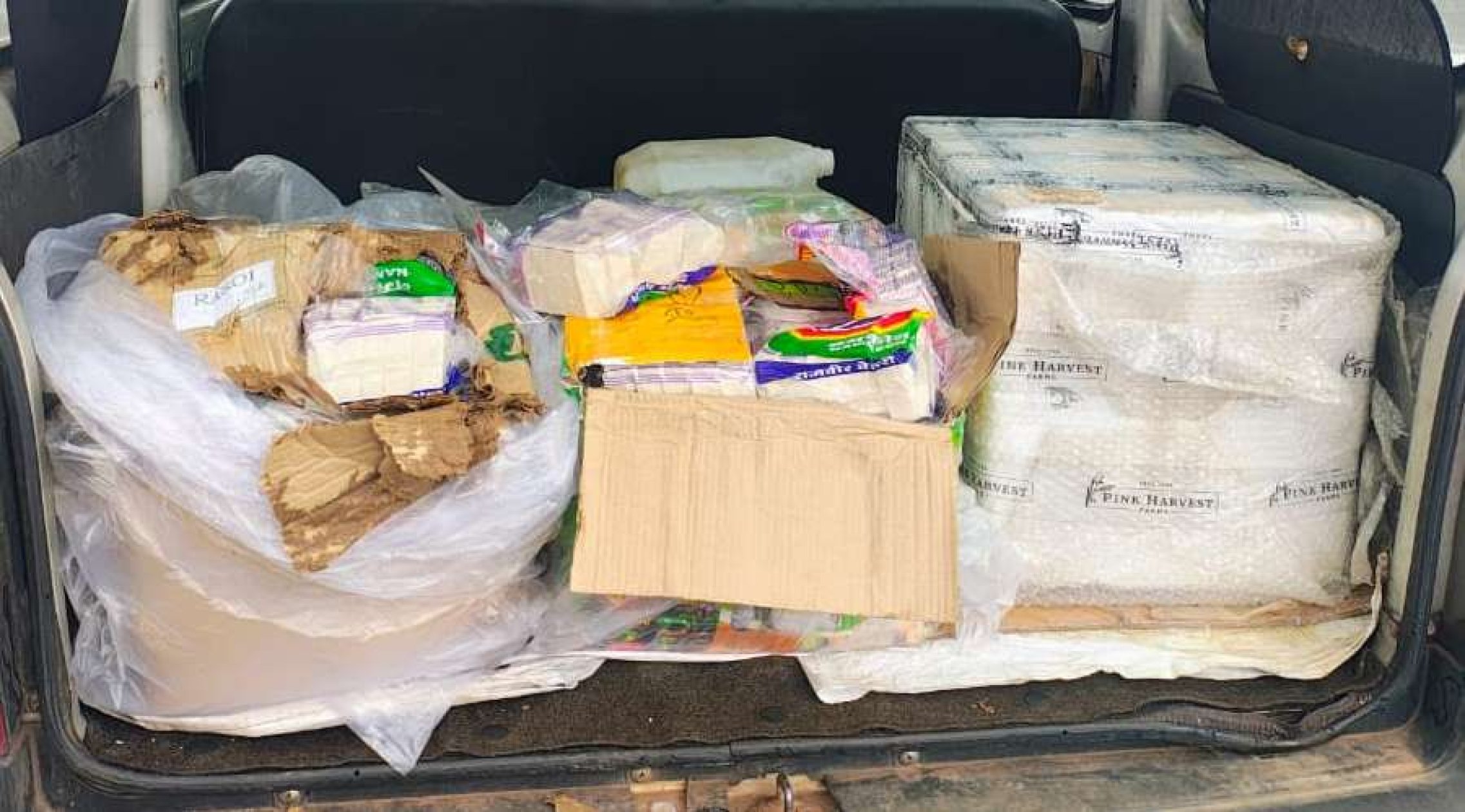
When most Madgavkars were still asleep in their homes, officials of the Food and Drugs Administration (FDA) descended on the Margao KTC bus stand and the adjoining SGPDA grounds earlier this week, in a pre-dawn operation aimed at checking the transportation of food and confectionery items into Goa.
Last week too, and before that, officials led by FDA designated officer for South Goa, Sanjyot Kudalkar, focused on inter-state buses and other vehicles transporting consignments of food products that are routinely unloaded at the KTC bus stand and SGPDA grounds, with the operation beginning as early as 4 in the morning.
While the team cracked a whip against several food items being transported under conditions that raised serious questions about food safety and hygiene, it has also raised a critical question – is there a system in place to check, as a matter of routine, the food products entering the state via inter-state buses and vehicles?
For, the two operations appear to have brought to the fore a larger and largely unregulated problem involving the transportation of food products by inter-state buses and commercial vehicles.
‘Tip of the iceberg’
Sources said the recent seizures could only be the “tip of the iceberg”, given the volume of food items entering Goa through inter-state transport networks every day. With consignments being loaded and unloaded at different locations and often transported along with non-food materials, monitoring the movement of such products has emerged as a major challenge for the FDA.
The situation is particularly difficult because of the manpower available with the department. Officials cannot be expected to station teams at the Margao bus stand and SGPDA grounds every day before dawn to inspect incoming consignments. Sources pointed out that unless the government strengthens the FDA with additional manpower and resources, sustained monitoring of food transportation will remain difficult.
Unregulated food movement
The latest findings have also revived concerns over the manner in which perishable food products are transported from neighbouring states to Goa. Dairy products such as khoa and paneer require appropriate temperature control and hygienic handling throughout the transportation chain. Any lapse in maintaining the cold chain can potentially compromise the quality and safety of such products.
Officials and sources stressed that the issue goes beyond individual seizures. The increasing movement of food items through informal transportation channels requires a coordinated mechanism to ensure that consignments entering Goa comply with food safety, labelling, storage and transportation requirements.
Sources said the government could not afford to turn a blind eye to the practice, particularly when perishable food products are being transported alongside vegetables, fertilisers and other raw materials. They called for a system under which food consignments arriving through inter-state buses and other vehicles are properly declared, segregated from non-food materials and transported under prescribed hygienic and temperature-controlled conditions.
Need for tighter controls
The FDA's recent action has therefore highlighted not only violations by individual transporters but also a wider regulatory gap. While enforcement drives can help detect and seize unsafe consignments, officials believe a more permanent monitoring mechanism, backed by adequate manpower, infrastructure and coordination with transport operators, is needed to prevent such practices.
For the FDA, the challenge now is to ensure that the pre-dawn raids at Margao's transport hubs do not remain isolated enforcement exercises, but become part of a sustained system to ensure that food reaching consumers in Goa is transported safely, hygienically and in accordance with food-safety regulations.