MAPUSA
The monsoon has withdrawn, leaving Goa with a rainfall deficit of nearly 32 per cent and a question that will become increasingly difficult to ignore as the mercury rises: will the water stored in the State’s reservoirs last until the next monsoon?The four-month rainy season was marked by an erratic pattern that Goa has rarely experienced in recent years. There were spells of rain followed by prolonged dry intervals, including during the peak monsoon months when the State would ordinarily expect consistent rainfall. September proved particularly disappointing, with a deficit of 44 per cent for the month.Yet, in what appears to be a contradiction, most of Goa’s major reservoirs have ended the season nearly full. The Water Resources Department’s latest storage figures offer considerable relief. But full dams at the end of the monsoon are only the starting point of the State’s water-security calculation, not its conclusion.The real test begins now, when rainfall recedes, temperatures climb and the competing demands of households, agriculture, industry and tourism begin to intensify.
Full dams, but
for how long?
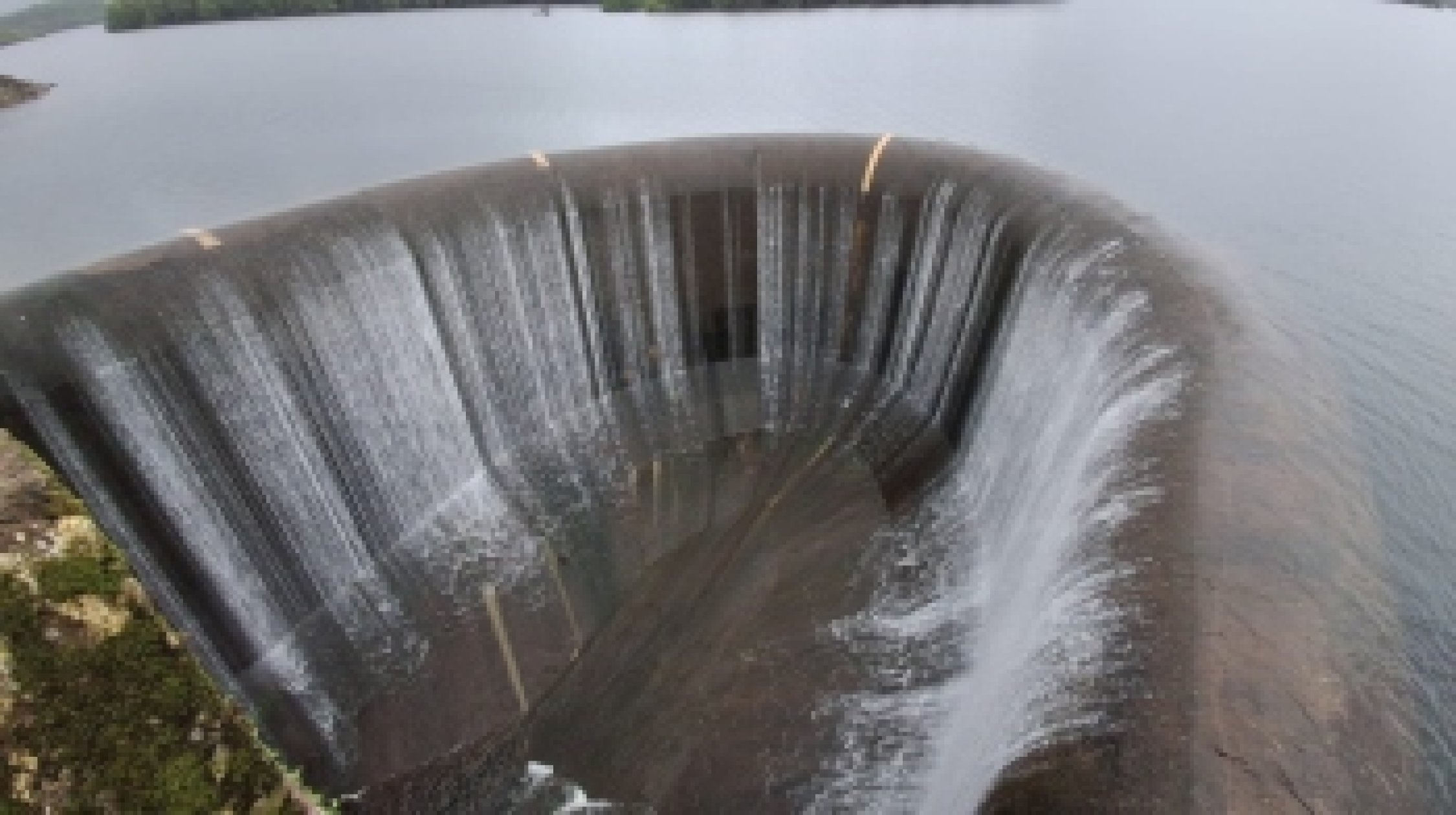
The reservoir storage position is encouraging. Selaulim and Amthane are at 100 per cent of capacity, Anjunem at 99 per cent, Gaunem at 96 per cent, Panchawadi at 93 per cent, Tillari’s at 88 per cent and Chapoli at 74 per cent.The levels are broadly comparable to those recorded in October last year, according to the information available. However, the comparison conceals an important difference: This year’s monsoon ended with a substantial rainfall shortfall and practically no meaningful late-season replenishment.Late rainfall does more than raise reservoir levels. It replenishes groundwater, sustains soil moisture, supports streams and local water sources and can reduce the immediate demand for irrigation. Cooler weather also limits some discretionary water use.The absence of such rainfall could therefore have consequences beyond what the reservoir percentages suggest.The crucial distinction is between water stored and water that can be sustainably supplied over the coming months.
Demand already
outstrips supply
Goa’s daily drinking-water demand is estimated at 690 million litres per day (MLD), against a supply of around 670 MLD, leaving a shortfall of approximately 20 MLD.That gap exists even before the full summer demand sets in. The three talukas of Salcete, Bardez and Tiswadi account for the highest demand, putting pressure on the systems serving the State’s most populated and economically active areas. Summer could complicate matters further. Hotels and other tourism establishments must maintain supplies during the tourist season, while households consume more water as temperatures rise. Water is also required by commercial establishments, industries and public institutions.There is a less visible but equally important contributor to demand: Everyday wastage. The use of potable tap water for gardening, washing vehicles and other non-essential purposes may appear insignificant at an individual level, but the cumulative consumption across the State can be substantial.
The 40% leakage question
One of the most troubling figures in the State’s water-supply equation is the estimated 40 per cent non-revenue water.This category includes water lost through leakage, theft, meter malfunction and other distribution or accounting inefficiencies. It is not necessarily all physical leakage, but it represents water supplied into the system for which revenue is not realised. At a time when the State is preparing to stretch its reserves through the dry season, such losses deserve as much attention as reservoir storage. Reducing these losses could ease pressure on existing sources and help narrow the gap between demand and actual supply. However, the department needs to establish how much of the estimated 40 per cent is attributable to physical leakage, how much to unauthorised consumption and how much to metering or billing deficiencies.
Drinking water versus irrigation
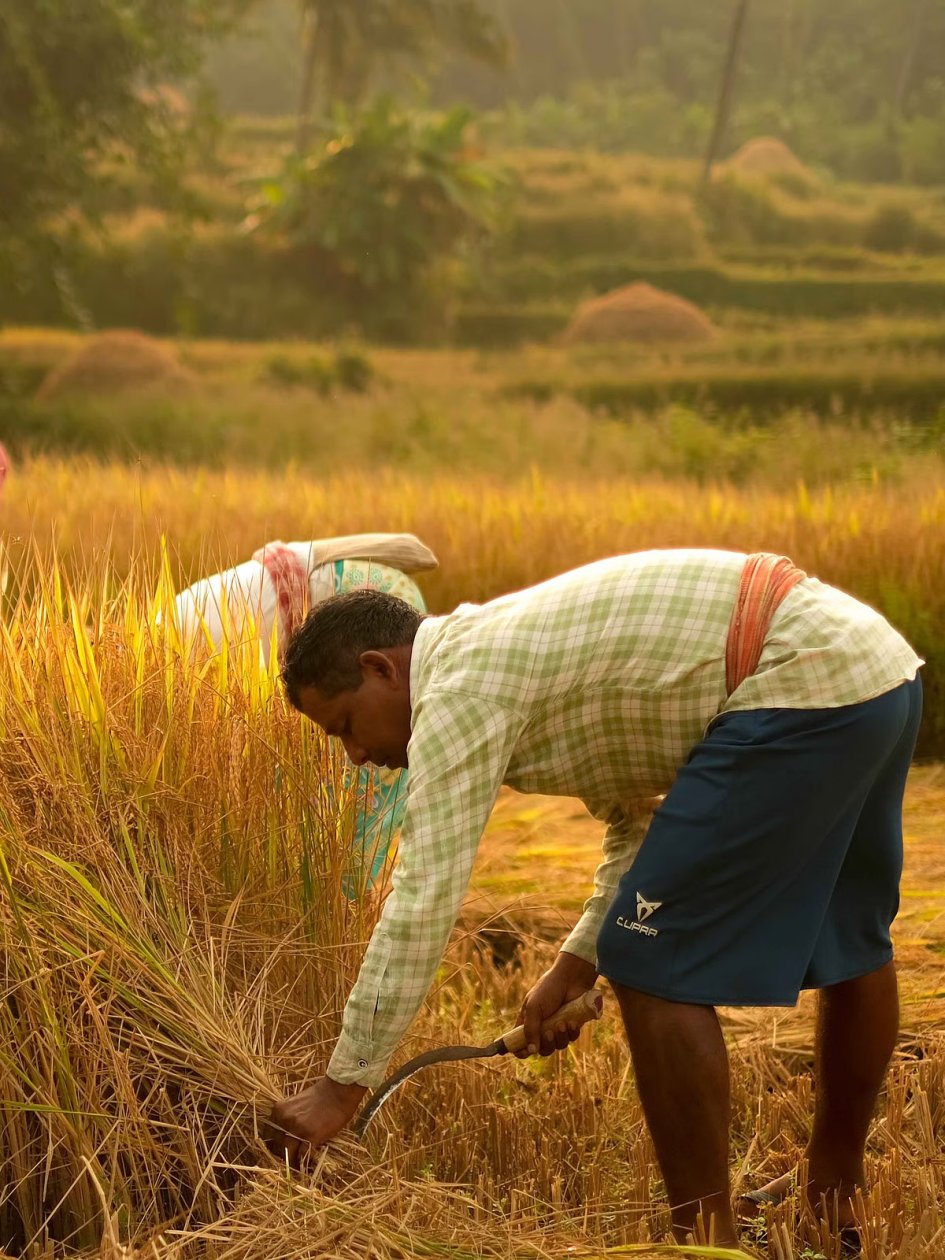
The challenge is not confined to taps and pipelines. Around 30,000 hectares in Goa depend on irrigation from major reservoirs, and water stored in several dams serves both drinking-water and agricultural requirements.This creates a delicate balancing act. Drinking water is an essential public need, but agriculture cannot be sustained without timely and adequate irrigation. A prolonged dry spell could increase irrigation requirements precisely when the government needs to conserve water for summer drinking-water supply.The situation is particularly important in North Goa, where water from the Tillari canal system, originating in Maharashtra, is used for both irrigation and drinking purposes.The department must clarify whether irrigation releases will continue at normal levels throughout the dry season or whether a staged reduction will be introduced if storage begins to fall faster than expected. It should also identify the irrigation commands most vulnerable to any curtailment and explain how farmers will be informed.
Officials confident,
but details awaited
Chief Engineer of the Department of Drinking Water Vishvamber Bhende is cautiously optimistic about the months ahead.“We don’t foresee much of a problem as far as water supply to consumers are concerned. We will pull it through till May end,” Bhende said.His assessment offers reassurance but it also places the focus squarely on the final weeks before the next monsoon. The department must demonstrate how current stocks, expected consumption and available treatment and distribution capacity support that projection.WRD Minister Subhash Shirodkar has offered a more emphatic assurance, saying there should be no interruption in raw-water availability for either drinking or irrigation until June or July. “As far as raw water is concerned there should not be any interruption and disturbance both for drinking and irrigation purpose,” he said. Shirodkar, however, pointed to a separate concern: The Department of Drinking Water must ensure that its treatment infrastructure is ready. He said three to four treatment plants in the pipeline need to be commissioned.The distinction is important. Water stored in a reservoir is not the same as treated water delivered to a household. Raw-water availability, treatment capacity, pumping arrangements and distribution networks must all function together.A shortfall at any one stage can disrupt supply even when the reservoirs remain well stocked.
Contingency plan cannot
remain a promise
Shirodkar said the government had devised a strategy to manage the situation and that it would be made public through the media the following week.“We take care of entire water requirement. We have done this for the last so many years. If there is less rain or abundance of rainfall, water supply has to be managed with the stock that is available,” he said, adding that the reservoirs, lakes and bandharas were full.The government’s confidence will be tested by the details of this strategy. Will it specify minimum reservoir levels, monthly withdrawal limits, water-saving measures and contingency arrangements for vulnerable areas? Will it include measures to reduce distribution losses and curb non-essential consumption? Maharashtra’s response to deficient rainfall, including announced water-supply cuts, underlines the importance of conservation planning before a crisis develops. Goa need not automatically adopt the same measures, but it must explain what preventive action it considers necessary.
Goa has a significant advantage: its major reservoirs have entered the dry season with substantial stocks. That gives the government time to plan, improve distribution efficiency and prepare for the months when demand is likely to peak.But the margin for complacency is narrow.The government may well be able to stretch its reserves until the next monsoon. The question is whether it can substantiate that assurance with transparent projections, measurable conservation targets and a clearly defined contingency plan. For now, full reservoirs offer Goa a breather. Whether that breather lasts until the next monsoon will depend not only on how much water the State has stored, but also on how wisely it uses every litre.