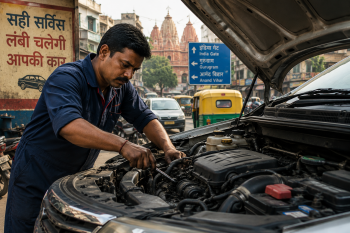
For many car owners, crossing the 1 lakh km mark feels like a major milestone. It is often seen as the point where a vehicle starts becoming unreliable and expensive to maintain. Some owners even begin thinking about selling their car as soon as the odometer reaches six figures.
However, modern vehicles are built to last much longer than many people think. With proper maintenance and timely repairs, a well-cared-for car can easily cover 1.5 lakh km, 2 lakh km or even more. In fact, reaching 1 lakh km should be viewed as a transition point rather than the end of a vehicle's useful life.
The key is understanding that maintenance requirements change as a car ages.
Why 1 lakh km matters
The first 1 lakh km of a vehicle's life are usually relatively trouble-free if regular servicing is carried out. But after this point, many components begin showing signs of wear and tear.
Indian driving conditions can be especially demanding. Heavy traffic, pothole-filled roads, dust, heat and long hours of idling put additional stress on a vehicle. As a result, parts that worked perfectly during the early years may require closer attention after crossing the 1 lakh km mark.
This does not mean the car is becoming unreliable. It simply means owners need to be more proactive with maintenance.
Focus on the engine
The engine remains the heart of any vehicle. Regular oil changes become even more important as the vehicle ages.
Using the recommended grade of engine oil and replacing it at the prescribed intervals helps reduce wear and maintain performance. Oil filters should also be changed on time to ensure proper lubrication.
Ignoring oil changes can lead to increased engine wear, reduced fuel efficiency and expensive repairs later.
Owners should also pay attention to unusual noises, excessive smoke or a sudden drop in performance. These signs should never be ignored.
Check the cooling system
Overheating is one of the most common causes of serious engine damage. That is why the cooling system deserves regular inspection.
Coolant levels should be checked periodically and topped up when necessary. Hoses, the radiator and the water pump should also be inspected for leaks or signs of wear.
A small coolant leak may seem insignificant, but if left unattended it can lead to overheating and major repair bills.
Preventive maintenance is always cheaper than repairing a damaged engine.
Watch the suspension
Suspension components take a beating on Indian roads.
Shock absorbers, bushings, link rods and other suspension parts gradually wear out over time. When this happens, ride quality suffers and handling may become less predictable.
Common warning signs include excessive bouncing, unusual noises while driving over bumps and uneven tyre wear.
Replacing worn suspension parts not only improves comfort but also enhances safety.
Don't ignore the clutch
In manual cars, the clutch is another component that may need attention after extensive use.
Heavy city traffic often accelerates clutch wear. Drivers may notice difficulty in changing gears, clutch slippage or an unusually heavy clutch pedal.
Automatic vehicles also require care. Many manufacturers recommend transmission fluid changes at specific intervals. Fresh transmission fluid helps ensure smooth gear shifts and protects internal components from excessive wear.
Neglecting transmission maintenance can lead to costly repairs.
Brakes need attention
A vehicle's braking system should always be in top condition.
Brake pads gradually wear down and must be replaced when necessary. Brake discs should also be inspected for excessive wear. Brake fluid absorbs moisture over time and may need replacement according to the manufacturer's recommendations.
Squealing sounds, vibrations during braking or reduced stopping power are signs that the braking system requires immediate attention.
Since brakes are directly related to safety, delaying repairs is never a good idea.
Battery and electricals
Most car batteries last between three and five years, although actual lifespan depends on usage and climate conditions.
A battery that worked perfectly a few years ago may become unreliable as it ages. Slow engine cranking, dim lights and electrical glitches can indicate a weakening battery.
Electrical connections should also be inspected regularly. Corroded terminals and loose connections can create various problems that are often mistaken for major mechanical faults.
Care for the tyres
Tyres are the only point of contact between the vehicle and the road.
Regular inspections help identify cuts, cracks or uneven wear before they become serious problems. Worn tyres reduce grip and increase stopping distances, especially during the monsoon season.
Maintaining the correct tyre pressure is equally important. Under-inflated tyres wear faster and reduce fuel efficiency, while over-inflated tyres can affect ride comfort and handling.
Periodic wheel alignment and balancing also help extend tyre life and improve driving stability.
Keep the fuel system clean
Over time, deposits can accumulate in fuel injectors and other fuel system components.
This is particularly common in vehicles that spend most of their time in stop-and-go city traffic.
Using quality fuel and following recommended maintenance schedules can help keep the fuel system clean. Some vehicles may benefit from periodic injector cleaning to restore performance and fuel efficiency.
A healthy fuel system contributes to smoother engine operation and lower running costs.
Small habits matter
Many drivers underestimate the impact of driving style on vehicle longevity.
Frequent hard acceleration, sudden braking and aggressive driving place extra stress on major components. A smoother driving style reduces wear and helps improve fuel economy.
Simple habits such as allowing the engine to warm up briefly, avoiding unnecessary overloading and responding quickly to warning lights can significantly extend a vehicle's life.
Owners should also investigate unusual sounds, vibrations or changes in performance rather than waiting for problems to worsen.
The road ahead
Crossing 1 lakh km is a milestone worth celebrating rather than fearing. Modern cars are designed to cover far greater distances than previous generations of vehicles.
The difference between a car that struggles after 1 lakh km and one that comfortably reaches 2 lakh km often comes down to maintenance.
Regular servicing, timely replacement of worn parts and responsible driving habits can keep a vehicle reliable for many years. Instead of viewing 1 lakh km as the end of the journey, owners should see it as the beginning of a new phase”one where proper care becomes even more important.