Ritesh Madhok
The BMW X1 has always been the entry point to the brand’s SUV family, but the new X1 LWB takes a distinctly India-focused approach. BMW has stretched the SUV to make the rear seat more welcoming. Priced at Rs 49.90 lakh (ex-showroom), the X1 LWB is available in a single petrol-powered sDrive18i M Sport version. It is also a particularly interesting move because BMW continues to sell the standard-wheelbase X1, while the electric iX1 LWB already offers the same basic space-first philosophy for Indian families today seeking extra space. The question is whether the extra length makes the X1 a better luxury SUV.
Exteriors
At first glance, the X1 LWB looks familiar, with most styling shared with the standard-wheelbase car. The upright stance, large kidney grille, sharp LED lighting and muscular surfacing give it a confident road presence. The additional 116mm of length and 108mm of wheelbase are most noticeable from the side, where the SUV appears stretched and mature. BMW has also added subtle chrome detailing around the windows and silver accents at the lower sections.
Interior
The biggest reason to choose this X1 is behind the driver. The longer wheelbase creates genuinely impressive rear legroom and knee room, while the longer seat cushion and reclining backrest add to the lounge-like feel. There is also a panoramic glass roof, rear AC vents, USB-C connectivity and a fold-down armrest. Up front, the cabin follows BMW’s modern minimalist approach, with a floating centre console and curved display dominating the dashboard. The Harman Kardon audio system is a premium touch, while electrically adjustable front seats add convenience.
Tech & features
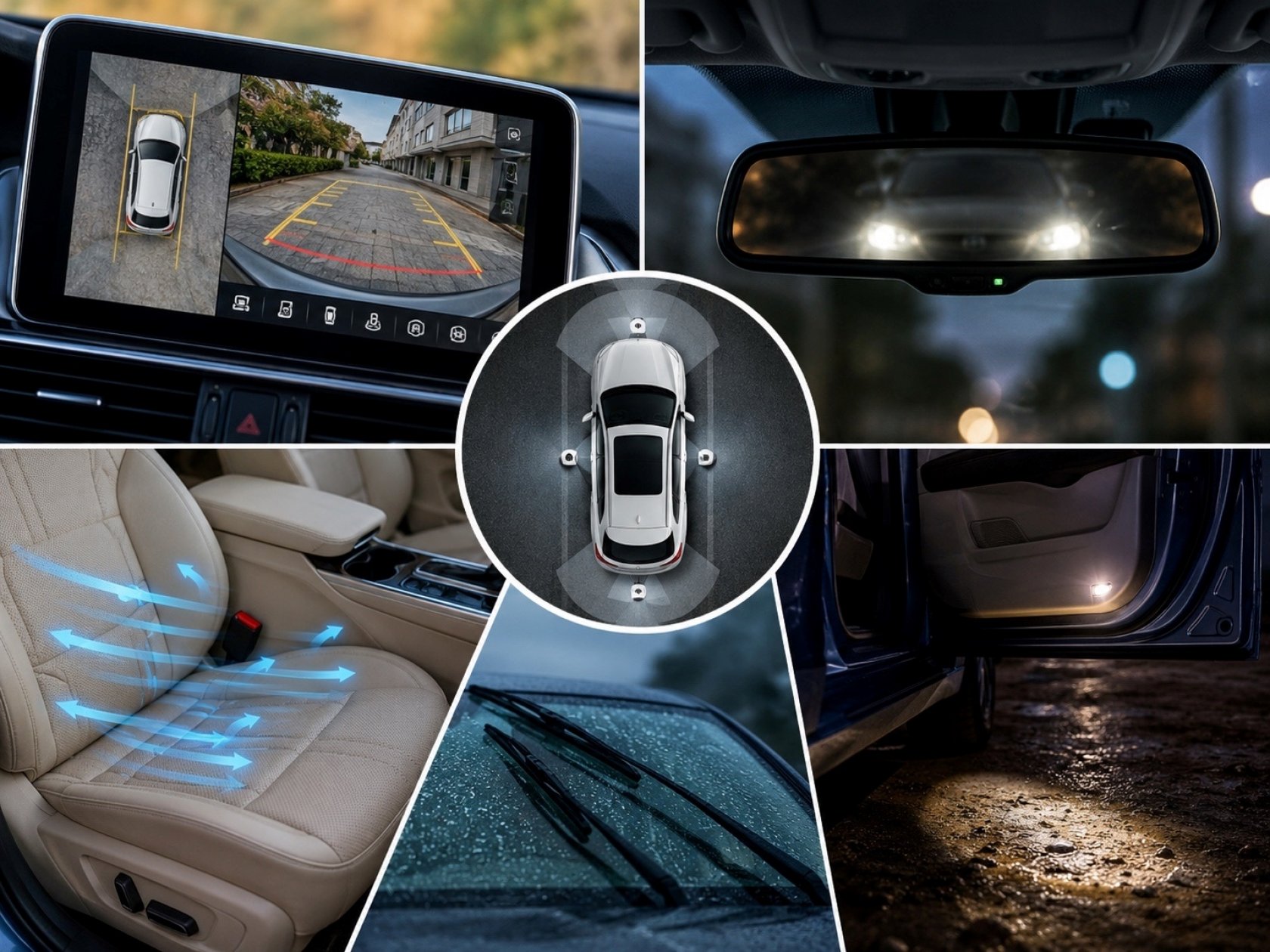
BMW’s digital package is a strong point. The curved display combines a 10.25-inch instrument screen with a 10.7-inch touchscreen, running BMW Operating System 9. The interface is crisp and responsive, although some functions sit deep inside menus. Digital Key Plus lets a compatible smartphone work as the vehicle key, while connected services add convenience. The 360-degree camera is sharp, and the Reversing Assistant can retrace the car’s recent path, useful in tight parking areas.
Specifications
Power comes from a 1.5-litre three-cylinder turbo-petrol engine producing 156hp and 230Nm. It drives the front wheels through a seven-speed dual-clutch automatic transmission. BMW quotes 15.5kpl under ARAI testing. The SUV measures 4,616mm long, 2,104mm wide and 1,641mm tall, with a 2,800mm wheelbase. Boot capacity stands at 540 litres.
Drive handling & comfort
The 1.5-litre engine is smooth enough for daily use and the extra power over the standard X1 is noticeable. Around town, the gearbox works neatly and the engine has sufficient punch for normal overtaking. However, this is not a BMW that begs to be driven aggressively. Floor the accelerator and there can be a brief pause before the DCT responds, followed by a linear surge. The three-cylinder character becomes more audible under hard acceleration. Performance is adequate rather than exciting, with the focus on relaxed progress. The X1 LWB has a mature ride quality at moderate speeds. The longer wheelbase helps it settle nicely over undulations, while the suspension filters smaller imperfections. Sharp-edged potholes can still make themselves known on rougher surfaces, but body control remains reassuring. This is where the LWB transformation matters. Rear passengers get the kind of legroom normally associated with a larger luxury SUV, and the extra seat cushioning makes longer journeys easier. The panoramic roof makes the cabin airy, while the rear bench offers enough width for family use. Despite the added length, the X1 LWB does not feel unwieldy. Steering is light in town and gains useful weight as speeds rise. Body movements are controlled, and the front-wheel-drive layout keeps things predictable. It lacks the sharpness enthusiasts may expect from a BMW, but remains stable and confidence-inspiring.
SafetySafety equipment includes eight airbags, ABS, electronic stability control, ISOFIX mounts and a 360-degree camera. It also gets autonomous emergency braking and lane-departure warning and assist. Adaptive cruise control is notably absent, which is disappointing at this price point.
Competition
The X1 LWB faces the Mercedes-Benz GLA, Audi Q3 and Volvo XC40. Its biggest advantage is rear-seat space. Its premium badge, digital technology and locally assembled pricing strengthen the proposition. The GLA and Q3 appeal to buyers prioritising luxury and styling, but neither matches its chauffeur-friendly second row.
Verdict
The BMW X1 LWB is less about adding excitement and more about adding relevance. Its standout feature is not the engine or aggressive styling, but the huge improvement in rear-seat comfort. It combines luxury, practicality and technology for Indian buyers. The petrol engine is competent, the ride comfortable and the cabin convincingly premium. Enthusiasts may want more performance and adaptive cruise control is missing, but buyers seeking genuine rear-seat space will find a strong case here.