This year the theme of vigilance awareness week is "corruption-free India for a developed nation". The Superintendent of Police, CBI, states that for the past five years, there has not been a single complaint against bribery or disproportionate assets in Goa, giving the impression that there is no corruption in the State.
The assumption that tolerance to corruption among the people of Goa is very high or that people are pretty satisfied with the system is a misrepresentation. The sheer fact that there are no complaints can mean that there is corruption. But instead, it could also mean that people have lost hope in the system deeply rooted in corruption.
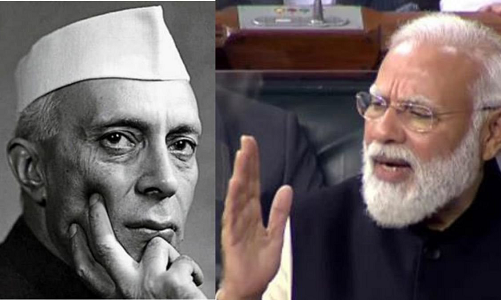
Prime Minister Narendra Modi on Thursday addressed a programme marking Vigilance Awareness Week of the Central Vigilance Commission in New Delhi and launched the new Complaint Management System portal. Modi spoke on building a public service system based on honesty and transparency. He stated that Vigilance Awareness Week is intended to realise the aspirations of a corruption-free India and underlined its importance in the lives of every citizen. The prime minister had valuable suggestions like streamlining the vigilance clearance process with the help of technology, auditing data of public grievances and engaging everyday citizens in vigil over corruption.
In Goa, Chief Minister Pramod Sawant has given a clarion call to clear files in time while linking delays to bribery. He highlighted a redressal system and announced a Whatsapp number to register complaints besides an email ID. But, all said, Goa has a poor track record of tackling corruption, and all we continue to see are random government officials, panchayat secretaries or talathis trapped red-handed and the big fish either shielded or given an easy way out.
The vigilance department filed sixteen corruption cases during 2012-13, charging top politicians in different departments. But none of these cases were taken to their logical conclusion. If we may recall, in October 2020, Goa Lokayukta Justice (Retired) Prafulla Kumar Mishra ended his tenure "completely disenchanted" because there was no action on the 21 reports he submitted to the State government against public functionaries. His frustration was so glaring that he called for abolishing the institution of Lokayukta, terming it as a waste of public money. Justice Ambadas Joshi, who succeeded Mishra as the Lokayukta, found disapproval at the very outset. The government rejected his report on a case regarding a disproportionate assets case against Pandurang Madkaikar without assigning any reasons. The Vigilance Department lately called for a probe into the Kala Academy restoration work, only to be green-flagged by the chief minister.
The anti-corruption talk is hollow because there is no credible action against graft. The public will choose not to rely on the redressal because similar systems in other departments, especially the Electricity Department, have not worked. Anti-graft bodies have to show their mettle by rising to every occasion rather than targetting individuals selectively. Action against corruption has to be ruthless so that a precedent is set at every level.
The Anti-corruption Branch of the CID and the Vigilance Department will have to show intent, independence, transparency of action and neutrality in handling corruption if they are to win people's confidence.