


THE GOAN NETWORK
SANGUEM
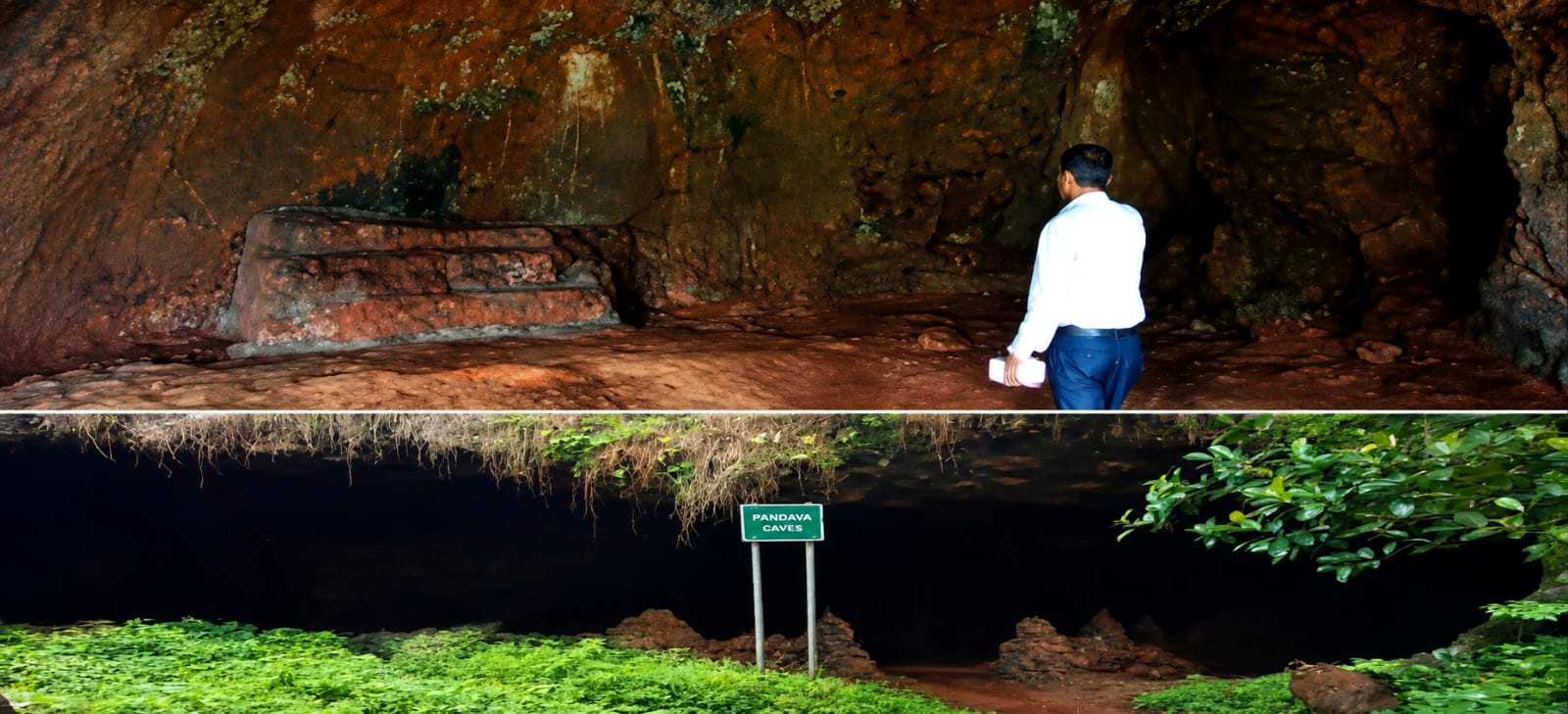
Concern is mounting over the neglected condition of the historic Buddhist caves at Rivona in Sanguem, with locals and heritage enthusiasts appealing to the State government to take immediate steps to preserve and develop the centuries-old site.
The Rivona Buddhist Caves, believed to date back to the 7th century, are among Goa's most significant archaeological and historical sites. Historians believe the caves once served as a place of meditation and residence for Buddhist monks.
Rivona, historically known as Rishivan, is also associated with ancient legends linked to the Pandavas, Lord Krishna and revered sages, making the region an important centre of cultural and historical heritage.
Despite being a protected monument under the archaeology department, the caves remain in a neglected state. The approach road and pathway leading to the site are overgrown with dense vegetation, making access difficult and unsafe for visitors.
Thick bushes surrounding the caves have become a habitat for snakes and other reptiles, posing a serious safety risk to tourists and pilgrims.
Adding to the neglect, plastic waste, discarded bottles and other litter have accumulated around the heritage site, diminishing its historical importance and affecting its appeal as a tourist destination.
Locals have demanded immediate intervention by the government to clear the overgrown vegetation, clean the premises and develop a safe and accessible pathway to the caves. They have also called for the appointment of a security guard to protect the monument from vandalism and ensure proper maintenance.
Another key demand is the installation of informative signboards detailing the history and significance of the caves, enabling tourists, students and future generations to better understand the site's rich Buddhist heritage.
Residents believe that with proper conservation, maintenance and promotion, the Rivona Buddhist Caves have the potential to become one of Goa's prominent heritage tourism destinations while preserving an invaluable chapter of the state's ancient history.


