PANAJI
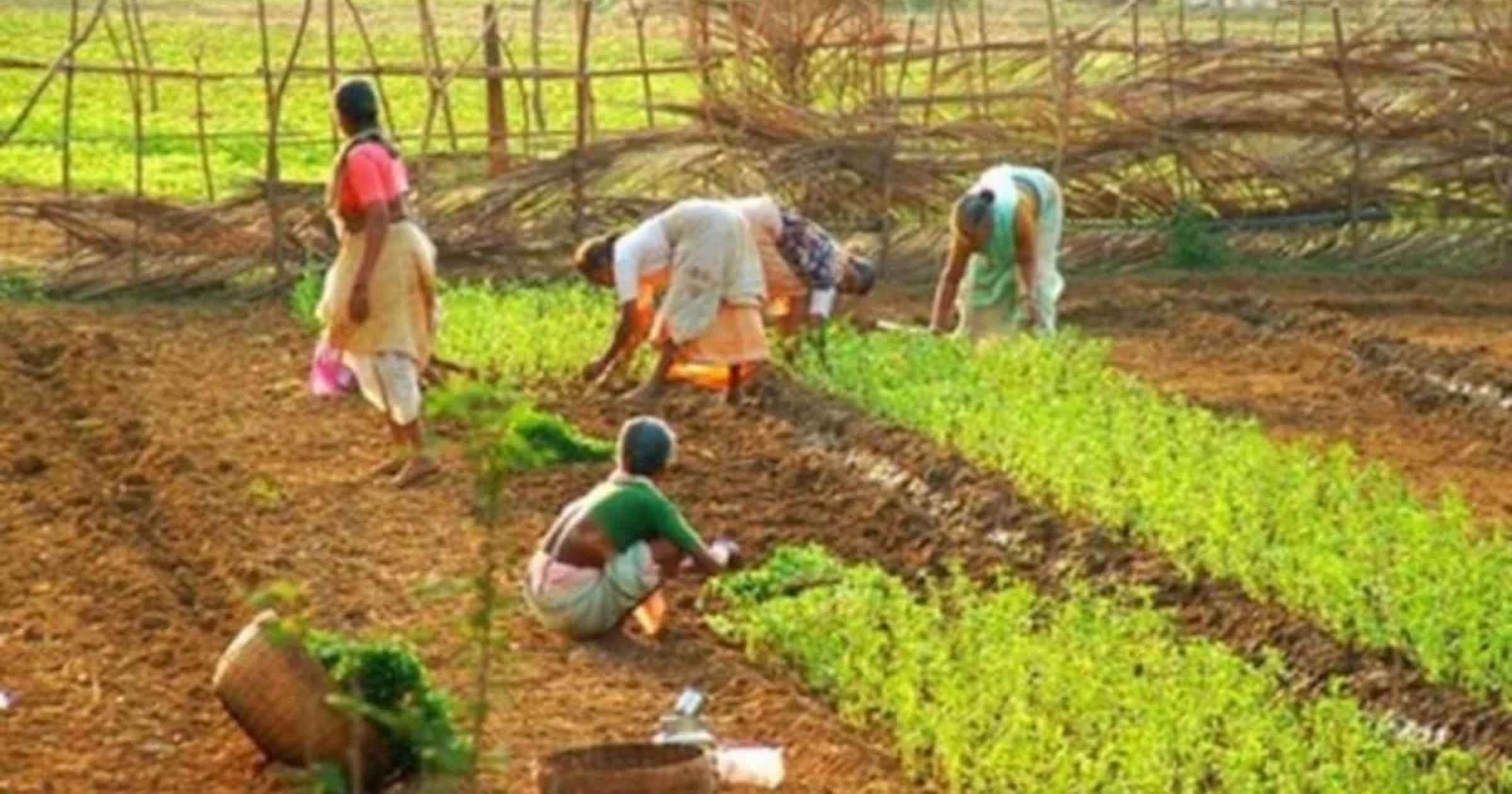
Tribal farmers continue to grapple with delayed subsidies, crop losses caused by wild animals, weak market access and poor digital literacy, prompting ICAR-Central Coastal Agricultural Research Institute (ICAR-CCARI) to recommend a series of targeted interventions to strengthen livelihoods and agricultural resilience in Goa's tribal belt. The institute, in one of its latest technical bulletins, has also laid out a roadmap that includes setting up community seed banks, tribal farmers' markets and expanding digital literacy among Scheduled Tribe (ST) communities. The researchers identified delayed government subsidy disbursal, inadequate fencing against wildlife, salinity affecting cultivation in khazan lands, dependence on middlemen due to the absence of organised tribal markets, limited digital literacy among women and poor awareness about government welfare schemes as some of the biggest barriers facing tribal farmers.
It also pointed to the lack of formal community seed banks, inadequate value-addition facilities and the absence of GI registration for several traditional tribal products -- issues flagged during ICAR-CCARI's Janjatiya Gaurav Varsh Pakhwada-2025 program, which involved extensive interactions with tribal farmers, SHGs, panchayats and local stakeholders across tribal villages under the Tribal Sub Plan (TSP).
To bridge these gaps, ICAR-CCARI recommended establishing dedicated tribal farmers' markets in every tribal taluka, creating a formal community seed bank network linking the institute, Krishi Vigyan Kendras and panchayats, and organising focused camps to help farmers access schemes such as PM-KISAN, Soil Health Card and the National Rural Livelihood Mission. “Establish a dedicated Tribal Farmers' Market at a nodal location in each tribal taluka of Goa,” it said as the institute also proposed facilitating GI registration for Goa's tribal crafts, installing weather stations and crop advisory boards in tribal villages and introducing a dedicated fencing scheme with a fast-track wildlife compensation mechanism.
“...Implement a regular (quarterly) digital literacy programme for ST women in collaboration with CSCs and KVK. Create a Tribal Agri-Product Processing Centre in partnership with NABARD and the state government,” were some more recommendations. Looking ahead, ICAR-CCARI plans to establish at least two community seed banks in tribal-dominated villages, incorporating 166 indigenous rice varieties and local vegetable germplasm; extending digital literacy programmes to at least 500 tribal women by 2026-end and formalising tribal farmers' markets in Canacona, Sattari and Ponda.
The institute stated that the document goes beyond documenting the programme's outcomes and is meant to guide researchers, policymakers and development practitioners in shaping inclusive and sustainable tribal development initiatives.