


Sanguem
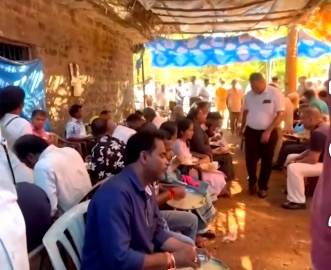
A strong message of unity and people’s power was heard at Mirabag as leaders and activists addressed villagers following the successful end of a 49-day agitation against the proposed bandhara project. At a victory gathering organised by locals, Goa Forward Party president Vijay Sardesai said the success belonged entirely to the people, crediting their unity, sacrifice and determination. He noted that villagers set aside differences and demonstrated the true spirit of “Goenkarponn,” sending a clear message that projects cannot be imposed without public consent. He described Mirabag as a symbol of democratic awakening and resistance.
The agitation raised concerns about cultural preservation, environmental protection and local identity. Sardesai acknowledged the need for development but stressed it should not come at the cost of traditions, temples, villages or the environment. He said the movement showed that collective action across communities can bring change. Referring to issues like the Curchorem jetty, he said repeated government reversals reflect growing public awareness and the need for continued vigilance.
Activist Pradip Kakodkar highlighted the key role played by women, along with support from local leaders, activists and media. Describing it as one of Goa’s longest protests, he called it a model of democracy in action and suggested preserving the protest site as a reminder of the struggle.
Sanguem councillor Meshu D’Costa urged citizens to stay alert, demand accountability and protect Goa’s rivers, culture and identity, stressing that the victory belongs to the people.


