MMC gets nod for waste gasification plant trial, subject to strict conditions
Council secures consent; six-month window to test tech aimed at easing garbage burden
THE GOAN NETWORK
SHARE ON
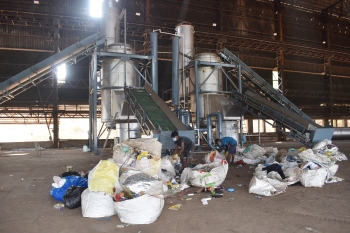
The gasification plant set up at Sonsodo.
MARGAO Clearing the decks for the trial of gasification technology in Goa, the Margao Municipal Council (MMC) has received the much-awaited Consent to Operate from the Goa State Pollution Control Board (GSPCB) for its 10-tonne gasification waste treatment plant.
The approval, however, comes with a host of conditions and the Consent to Operate is valid only for a six-month trial period.
The consent paves the way for the first-ever testing of gasification technology in the State for treating municipal waste. The MMC has engaged a Pune-based agency to operate the plant for five years, with the project estimated to cost the civic body Rs 7.5 crore.
The concept of introducing gasification technology was initially proposed by the Goa Energy Development Agency (GEDA). Subsequently, a joint delegation comprising officials from GSPCB, GWMC, and MMC visited Pune to study the technology before the project was tendered by GEDA on behalf of the municipal council.
The 10 tonnes per day (TPD) plant is designed to process both dry and mixed waste. It includes the drying and gasification of Refuse Derived Fuel (RDF) or dehydrated municipal solid waste (MSW) up to 3 tonnes per day. The process also generates syngas”around 300 kg per day”which will be used internally for heating and not stored. Additionally, the plant will produce about 0.05 tonnes per day of inert, non-hazardous ash as a by-product.
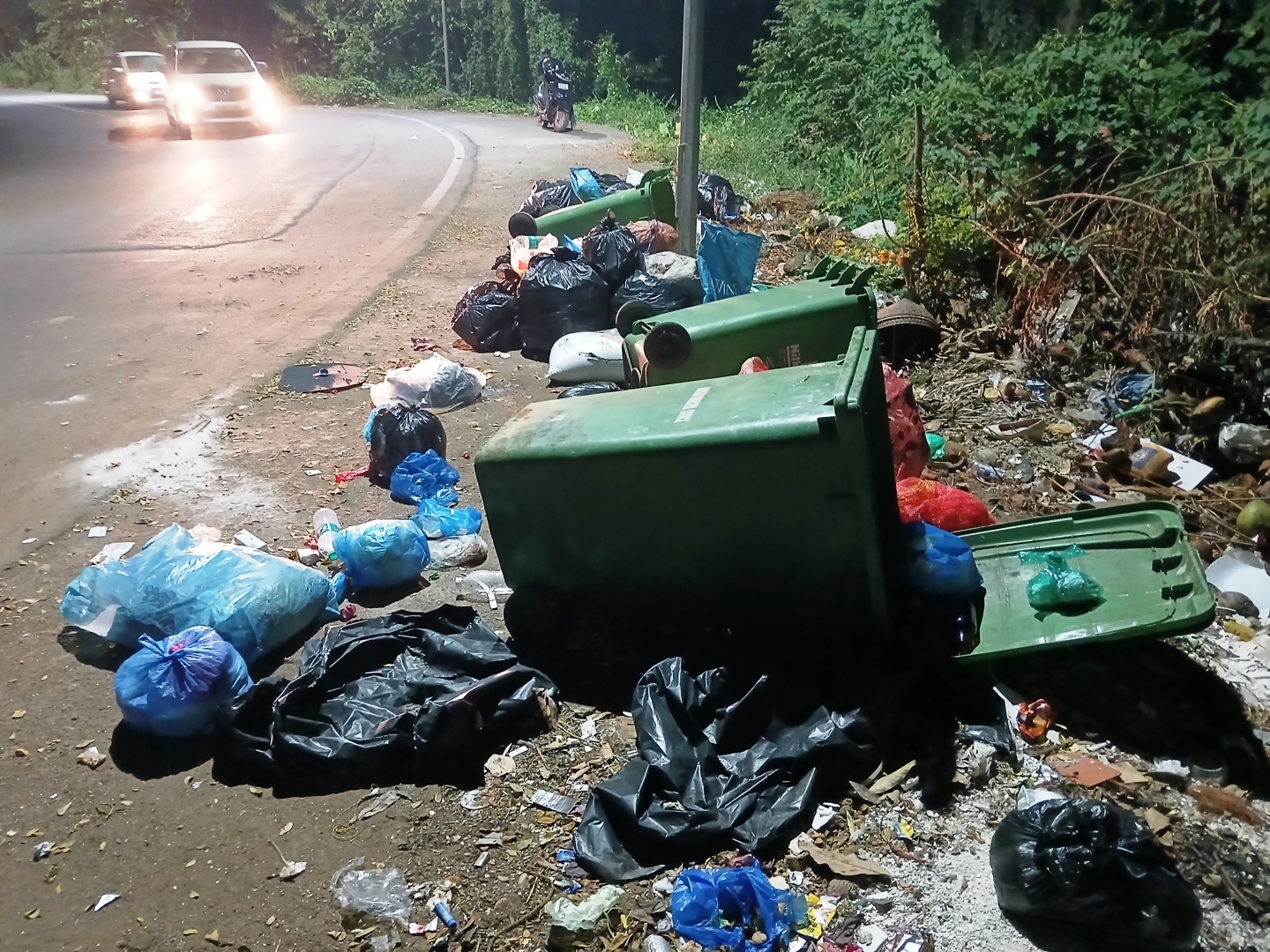
The MMC has been grappling with the persistent problem of mixed waste accumulation at over two dozen black spots across the commercial hub. With the new plant capable of handling mixed waste, the civic body is hopeful that the technology will help eliminate these garbage hotspots and significantly improve waste management in the city.
This is not the first time that the MMC is experimenting with a waste treatment technology to resolve the Sonsodo waste imbroglio. Presently, the Margao civic body is transporting 30 tonnes of wet waste generated in the commercial capital every day to the Cacora waste treatment plant in the absence of waste treatment mechanism in the city.
MARGAO: The GSPCB has imposed a host of conditions under the Water and Air Act while issuing the Consent to Operate the gasification plant.
Amongst the conditions, the GSPCB has made it crystal clear that the digested slurry/ leachate generated (if any) from the waste storage area shall be disposed daily through night soil tankers in the STP located at Navelim of Works Division XXI, PWD. It is to be ensured that the digested slurry beds/ leachate tanks are not allowed to overflow. There shall be no discharge of digested slurry/ leachate outside the premises.
Other conditions under the water Act mandates that the daily quantity of domestic water consumption from the unit shall not exceed 0.8 KLD, the daily quantity of domestic effluent from the unit shall not exceed 0.5 KLD and the daily quantity of industrial water consumption from the unit shall not exceed NIL KLD.
Domestic effluent treatment and disposal
The domestic wastewater shall be treated in a properly designed septic tank and discharged on land for percolation through soak pit of adequate size within the unit premises. The unit should empty septic tank and soak pit periodically through night soil tankers for safe disposal and submit the copies of the receipts to the Board on regular basis. A good house-keeping shall be maintained within the factory premises. All pipes, valves and drains shall be maintained in leak-proof condition. Floor washings shall be maintained to the effluent collection system only and shall not be allowed to find way in open areas.
Non-hazardous solid waste including fly ash
The GSPCB has mandated that all the solid wastes arising in the unit premises shall be properly classified and disposed of as per the guidelines, namely Fly Ash 0.5 tonnes/ day for manufacturing of fly ash bricks/ pavement blocks having valid consent of the Board.
In fact, the GSPCB has asserted that the applicant should upload monthly statement regarding the solid generation online.
General conditions
The unit shall not change or alter the quantity, quality of discharge, temperature or the mode of the effluent/ emission or hazardous wastes or control equipment’s provided for without previous permission of the Board.
This Consent to Operate order does not entitle the establishment to commence operations unless and until all other statutory permissions/ clearances required for the operation of the unit including local body, Fire and Emergency Services, Excise Department, Factories and Boilers, Food and Drugs Authority, Goa Coastal Zone Management Authority, Legal Metrology, Public Works Department, Electricity Department, Town & Country Planning, etc are obtained by the establishment.
Specific conditions
Domestic wash/ waste water generated within the plant premises has to be diverted into septic tank/soak pit.
The floor washings/leachate from the shed (if any) shall be channelised into the collection tank. There shall be no discharge of any leachate outside the premises.
The unit shall provide adequate arrangement/ exhaust system for odour control for the shed.
The unit install and operate Online Stack Monitoring System for particulate matter (PM), Sulphur Dioxide (SO2), Nitrogen Oxide (NOx), Carbon monoxide (CO), Carbon Dioxide (CO2), Oxygen, and flue gas temperature and shall provide access of the online stack monitoring system readings to the Board’s system.
CM Sawant highlights collaboration in trade, tourism and infrastructure at CPA meet
The Goan Network
Published Apr 10, 2026, 12:36 AM IST
SHARE ON
PANAJIChief Minister Pramod Sawant on Thursday called for stronger cooperation between Goa, Gujarat and Maharashtra to boost trade, tourism, infrastructure and coastal management, as the Commonwealth Parliamentary Association India Region (Zone VII) Conference began in the State.Highlighting the benefits of working together, Sawant said joint efforts among the three coastal states could improve economic growth and connectivity along India’s western coast. He was speaking at…