MARGAO
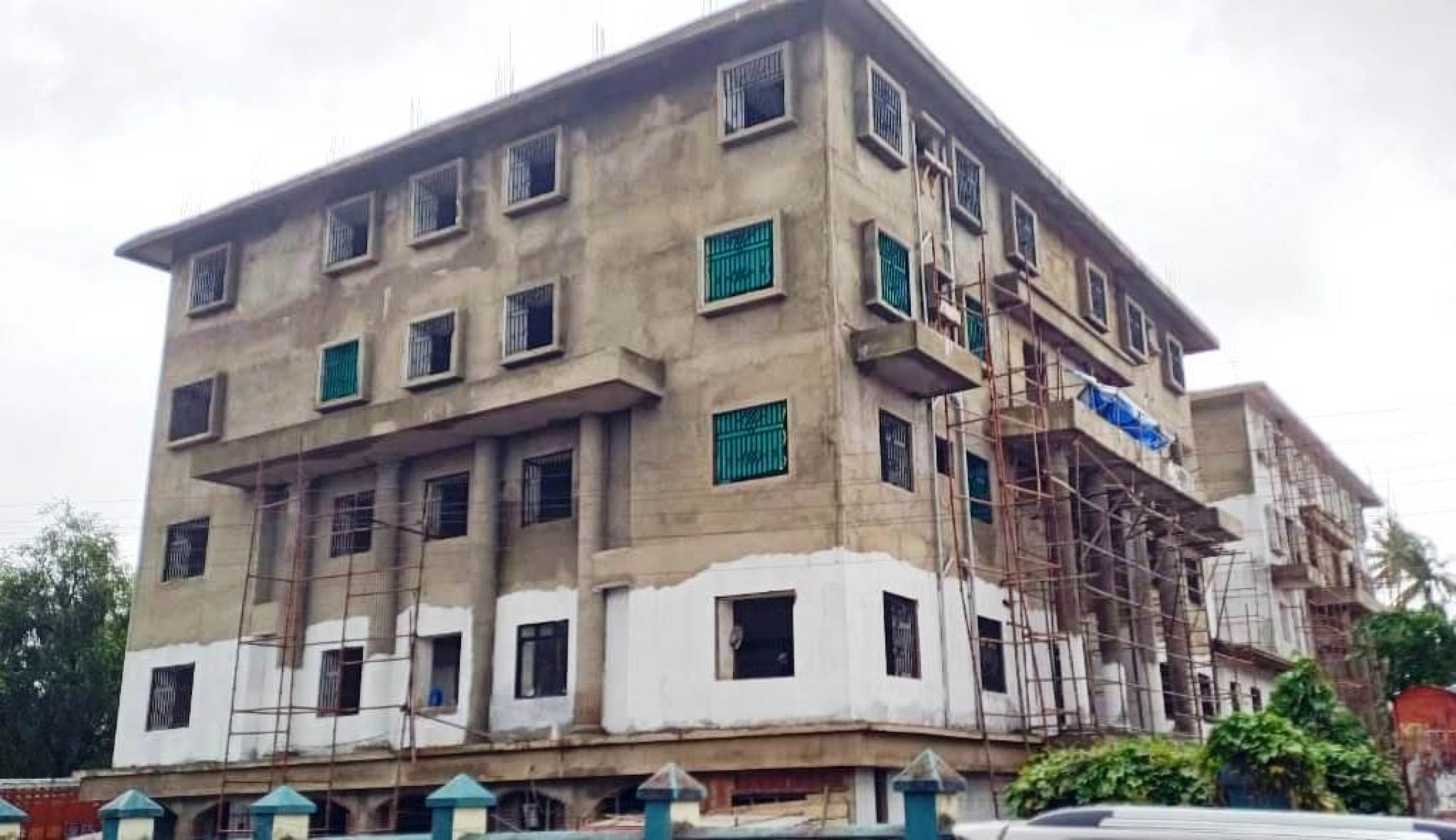
In a significant development, the South Goa Advocates Association has resolved that the members of the Association will not shift to the new Margao Civil and Criminal Court building presently under construction until the parking issue is satisfactorily resolved and adequate parking facilities are provided.
At the general body meeting chaired by Association President Adv Antonio Clovis Da Costa, the members were informed that the new building has been approved with parking provision for only 18 cars.
The Association expressed serious concern that the inadequate parking would not only cause immense hardship to advocates but would also adversely affect litigants, court staff and members of the general public. “The new court building is situated hardly 15 metres from the main Old Market Circle, and the absence of adequate parking is likely to cause serious traffic congestion and inconvenience in the area”, Clovis told the media.
He said the Association has resolved to take up the issue with the concerned authorities and seek an appropriate solution before the new building is made operational. “Members of the Association will not move to the new Margao Civil and Criminal Court building till the parking issue is resolved. We do not want to fall from the frying pan to the fire”, he said.
He added: “In the new building, we will have nine Judges, besides Public prosecutors, advocates and so many litigants. Is there any provision for a dedicated parking space for so many people. Our information suggests that the building has provision for mere 18 cars”.
Meanwhile, the General Body also discussed the recent allegation concerning the assault of an advocate by personnel of the Sanguem Police.
After deliberation, it was resolved that before the Association takes any final stand or initiates further action, it would apply for and obtain the CCTV footage covering the entire incident and examine the same before deciding upon the appropriate course of action.
The Association noted that the Supreme Court of India has directed that CCTV cameras be installed in police stations. The Association will therefore ascertain whether the relevant CCTV footage is available and has been properly preserved.
The General Body further resolved that in the event the CCTV footage is not available for whatever reason, despite the requirement for CCTV surveillance in police stations, the Association would consider initiating appropriate contempt proceedings for non-compliance with the directions of the Supreme Court, in addition to such other remedies as may be available in law.