Diversion could threaten State’s water security: Environmentalist
MAPUSA: Environmentalist Rajendra Kerkar has raised strong objections to a proposal to divert water from the Tillari river basin to meet the drinking water requirements of Belagavi district in Karnataka, warning that any such diversion could have serious implications for Goa’s water security.
Kerkar’s reaction comes in the wake of reports that Belagavi is looking towards the Tillari River to augment its drinking water supply, with the proposal envisaging the diversion of water from the Tillari basin towards the Markandeya river basin, which is considered an important source for Belagavi.
Questioning the basis on which water from the Tillari has been described as “surplus”, Kerkar asked, “Which authority has sanctioned that there is excess water in the Tillari River?”
He said the very characterisation of the water as surplus needed to be examined, particularly when Goa itself depends on the Tillari basin for meeting its drinking water and irrigation requirements.
“How can the people of Belagavi district think of diverting ‘surplus’ water when there is no assurance that the water is actually surplus?” he questioned.
Kerkar pointed out that the Tillari dam project is an inter-State project involving Goa and Maharashtra and maintained that decisions concerning the river and its waters cannot be taken unilaterally by another State.
“Even if they decide to divert the river, the Maharashtra government has to take Goa into confidence,” he said.
He also questioned the proposal in the context of Goa’s own water requirements, saying the State was already facing pressure on water availability, particularly for irrigation.
“Goa is already facing paucity of water for irrigation. In such a situation, how can Karnataka think of diverting water from the Tillari river basin?” Kerkar asked.
According to Kerkar, the proposal involves taking water from the Tillari basin and diverting it towards the Markandeya river basin, which serves as a major source of water for the Belagavi region. He cautioned that any reduction in the downstream flow of the Tillari could have consequences for areas in Goa dependent on the river system.
The environmentalist has been closely involved in campaigns against inter-State river diversion proposals affecting Goa, particularly the proposed diversion of the Mhadei waters by Karnataka. He has repeatedly maintained that Goa’s rivers and their catchments need to be viewed as ecological systems rather than merely as sources of water that can be transferred between basins.
The latest proposal has therefore brought the question of inter-State water sharing back into focus, with concerns over whether water considered “surplus” in one basin can be diverted without adequately accounting for downstream requirements, ecological flows and the needs of the riparian State.
Limited excess-water draw unlikely to affect Goa: WRD
MAPUSA: The Water Resources Department (WRD) has said that any proposal to divert water from the Tillari River would have to be brought to the notice of the Goa government, while maintaining that a limited diversion of the river’s water is unlikely to have a significant impact on the State’s water supply.
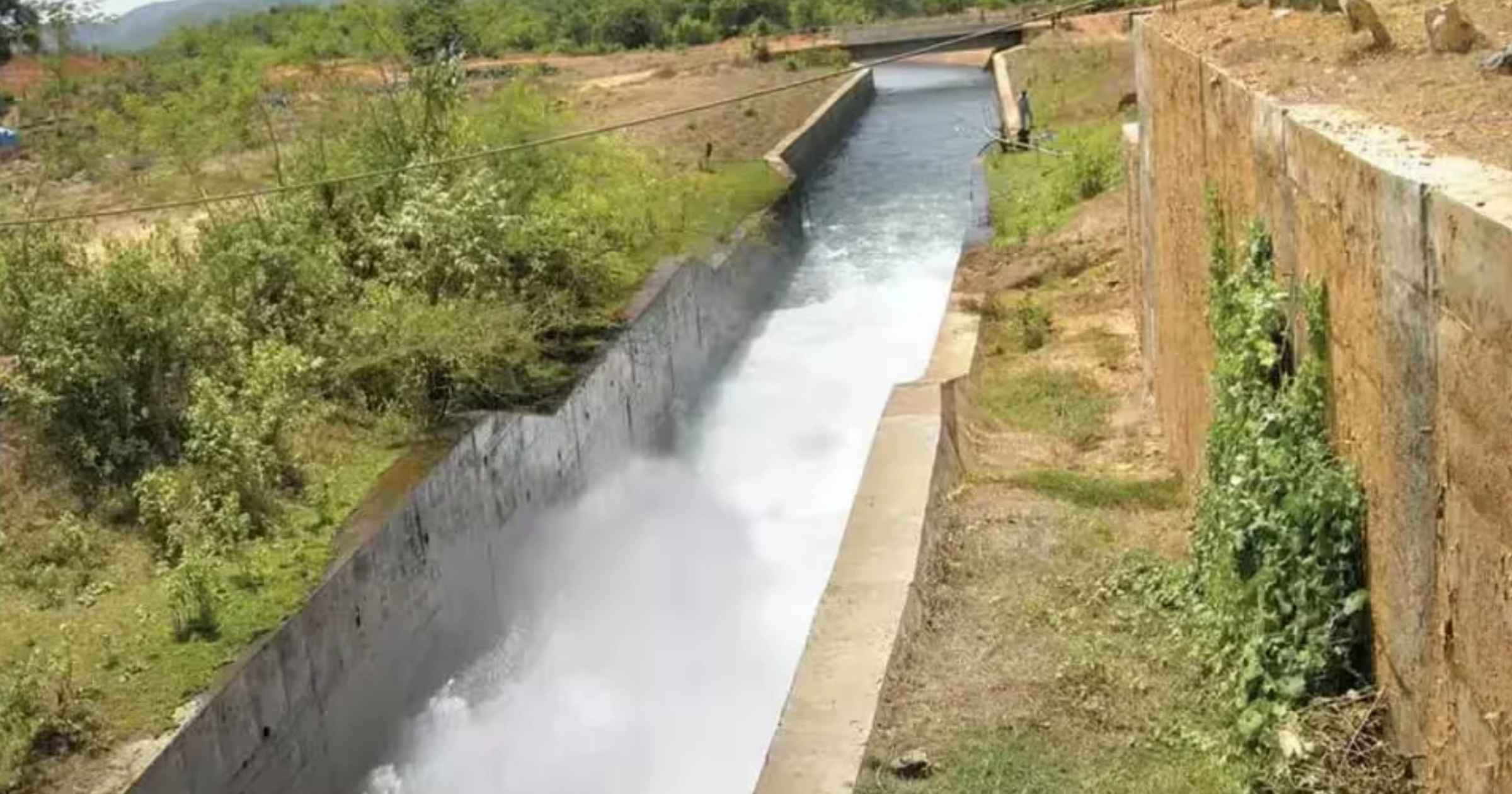
A senior WRD engineer said Tillari is a major river with a substantial flow and that diverting a small quantity of water would not materially affect Goa’s requirements. “They will not divert the entire river. Even if they divert around 5 cubic metres per second (cumecs), it will not have much of an impact on Goa,” the engineer said. He also maintained that Goa’s drinking water supply would not be affected by such a limited diversion. According to the WRD, the State’s present requirement is around 10 cumecs, which is being met through the Tillari canal system. Another senior WRD engineer pointed out that the Tillari River originates and flows through Maharashtra before entering Goa, and said Karnataka would first have to take up any proposed diversion with the Maharashtra government.
“The Tillari River is in Maharashtra, so the Karnataka government will have to hold discussions with Maharashtra first. Any proposal involving the river cannot be looked at in isolation,” he said. The engineer also noted that the Tillari project has multiple uses, with Maharashtra generating around 11 MW of hydropower through the project while the water is also utilised for irrigation. With the region receiving good rainfall this monsoon, the Tillari dam is currently at full capacity, raising the possibility of excess water being available for downstream use. “If they want to utilise the excess water from the northern side of the dam, I don’t think we should have a problem,” the engineer said. However, the WRD maintained that any diversion proposal would have to be assessed in terms of its quantity, source and impact on existing users, particularly Goa’s share and water requirements.
The comments come amid a proposal from people in Belagavi seeking diversion of what they describe as “excess” Tillari water for drinking purposes. The proposal has raised concerns in Goa over whether diverting water from the river could eventually affect the State’s water security, particularly during periods of lower rainfall and reduced river flows.