


 Pics by Narayan Pissurlenkar
THE GOAN PANAJI
Roads fill with pilgrims and the chants of “Jai Jaggannath!” and “Jai Hari Viththal!” echo across India during Ashadha. The sacred month is highly spiritual and often a time for spiritual growth, devotion, and the seeking of divine blessings. For many, it is the most sacred month in the Hindu calendar, observed as a time to slow down, turn inward, and seek blessings through prayer, fasting, and reflection.
Monsoon begins
Ashadh, the fourth month of the Hindu lunar calendar, usually falls between June and July and coincides with the peak of the southwest monsoon. The arrival of the rains brings welcome relief after months of scorching heat. Rivers swell, fields come alive, and villages prepare for a new farming season. For farmers, Ashadh marks the beginning of months of hard work as seeds are sown with the hope that rains will bring a good harvest. Across rural India, many rituals observed during this time reflect that close relationship between people, the land and the changing season.
Pandharpur Wari
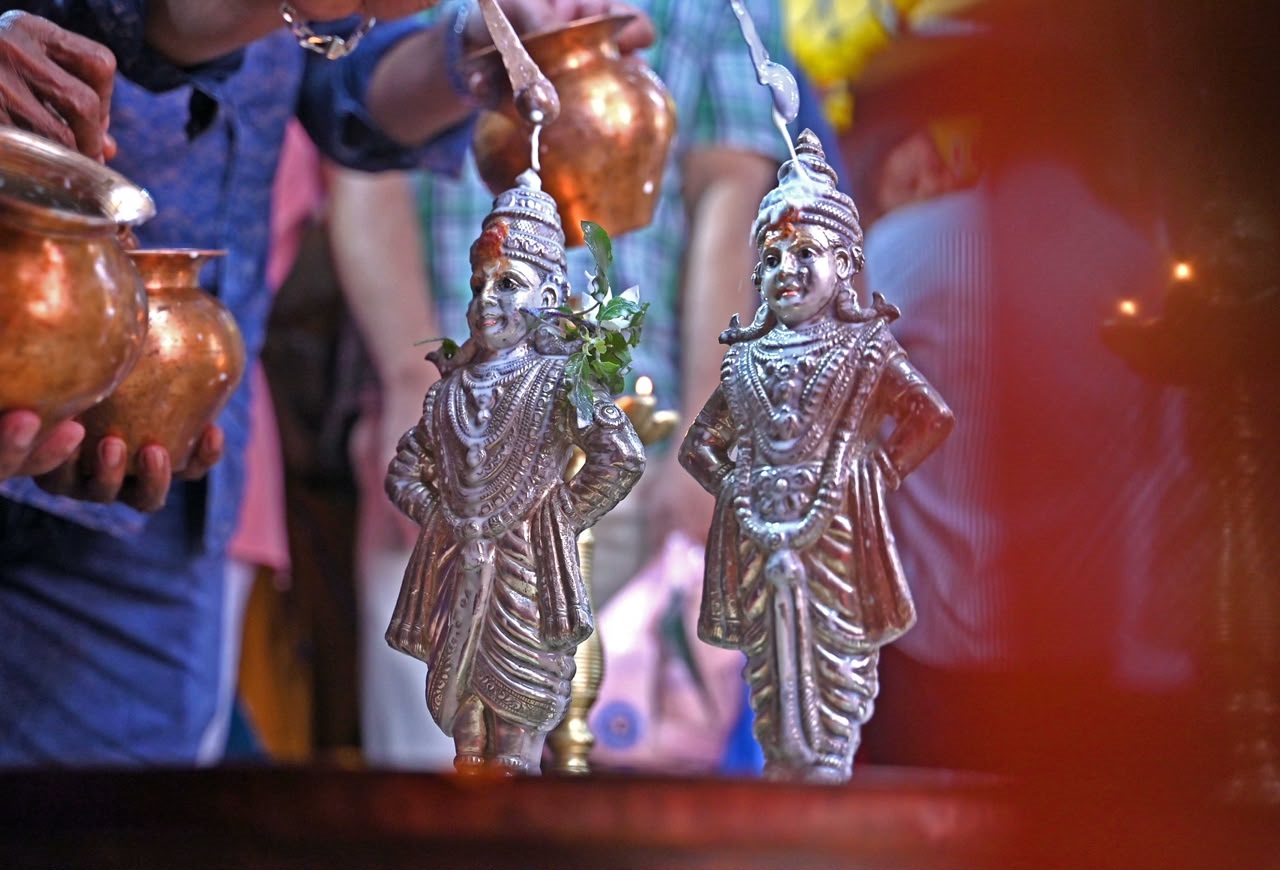
One of the most significant observances during Ashadh is Ashadhi Ekadashi, also known as Devshayani Ekadashi. It marks the day devotees believe Lord Vishnu enters a four-month cosmic slumber known as Chaturmas. In Maharashtra, the occasion is inseparable from the Pandharpur Wari. Lakhs of Warkari devotees walk for days, sometimes weeks, carrying sacred palkhis and Tulsi Vrindavans as they make their way to the Vitthal temple in Pandharpur. Along the route, the pilgrimage comes alive with abhangs, dindi, fugdi and shared meals, turning the long journey into a celebration of faith.
Chaturmas traditions
This period is considered especially sacred for prayer, fasting, charity and self-discipline. Many Hindus postpone major celebrations during Chaturmas, viewing it as a time for spiritual growth rather than social festivities. Yet, this has a logical reasoning. The rains were viewed as a difficult time for travel due to flooded rivers and muddy roads. Hence, Chaturmas became associated with staying in one place, allowing saints and monks to avoid harming the new plant and animal life. The fasting observed by many families also coincided with seasonal changes, encouraging moderation during a period when digestion was believed to be weaker.
Honouring gurus
Associating the Guru or the teacher with the ‘Parabrahma,’ the importance of Guru Purnima is immense. The festival is dedicated to honouring the gurus (teachers), and is celebrated on the Purnima (full moon) day of the month. Students visit their teachers and pay their respects and seek their blessings. The day is a reminder that a teacher’s role doesn’t end just at teaching, but at making the student a better human being. Ashadh is also marked by regional traditions across the country. In some parts of India, young girls observe Gauri Vrat over five days, praying for a happy married life and a life partner with the virtues of Lord Shiva.
Rath Yatra
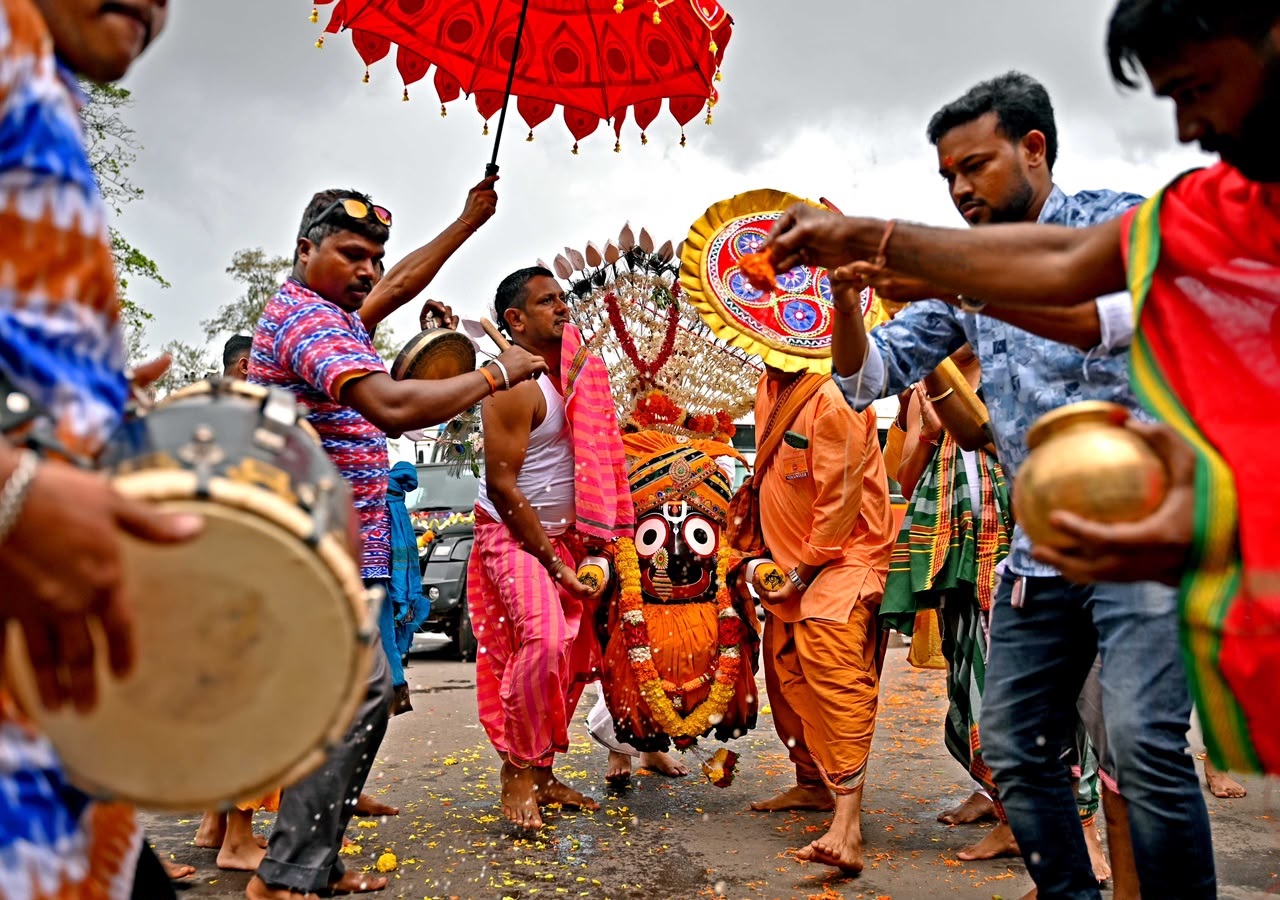
Among the grandest celebrations of Ashadh is the Jagannath Rath Yatra held each year in Puri. Towering chariots carrying Lord Jagannath, Lord Balabhadra and Goddess Subhadra are pulled through the streets by thousands of devotees. The act of pulling the chariot is believed to be highly auspicious and symbolises the deity coming out to meet the people rather than waiting for devotees to visit the temple. Inspired by Puri, Rath Yatras are organised in cities and towns across India, including Goa, where the festival continues to draw large gatherings of devotees every year.
Goan traditions
In Goa, Ashadh may not be marked by the scale of some celebrations seen elsewhere, but its presence is felt in temples and homes across the state. Many families observe Ashadhi Ekadashi with fasting, bhajans and visits to local temples. The monsoon also brings one of Goa's most distinctive traditions, the festival of Chikhal Kalo in Marcel, where devotees celebrate Lord Krishna through games played in the mud on the eleventh day of Ashadh. Across villages, prayers for good rainfall and a plentiful harvest continue a bond between faith and farming that has shaped life in Goa for generations.
Lasting legacy
As the rains continue to fall, Ashadh quietly leaves its mark in different ways. It lives in the footsteps of Warkaris walking towards Pandharpur, in the towering chariots of Puri, in the gratitude shown to teachers on Guru Purnima, and in the evening prayers offered in Goan homes as rain drums against the windows. Across regions and traditions, the month reminds people that faith is often woven into everyday life, shaped as much by the season as by the beliefs that have been passed down through generations.


