Dr ALVARINHO J LUIS
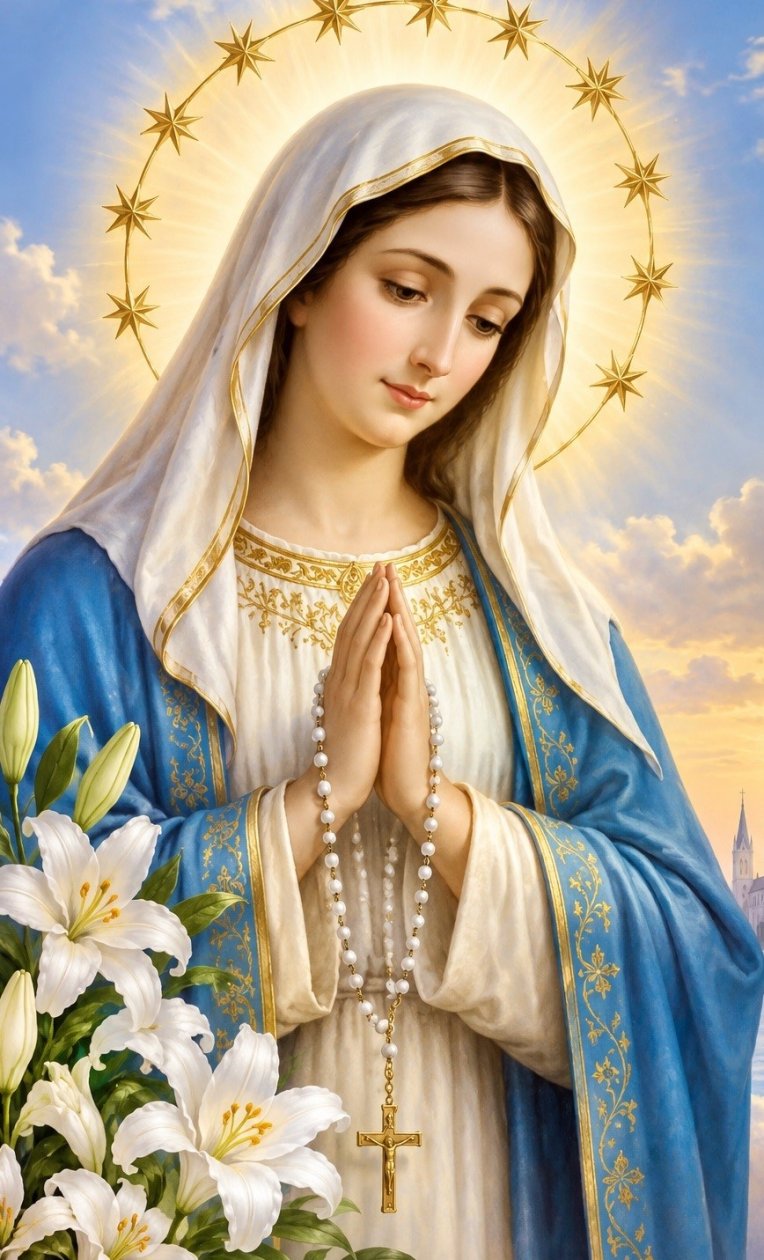
The Catholic Church observes numerous memorials, feasts, and solemnities throughout the liturgical year, including several prominent celebrations dedicated to the Virgin Mary. Among these is the Nativity of the Blessed Virgin Mary, celebrated on September 8 since the 6th century to commemorate Mary's birth, the Mother of Jesus.
The solemnity is known by several names, but in Konkani it is popularly called Monti Saibinnichem Fest. According to Konkani scholar Pratap Naik, the name Monti Saibinn derives from the Chapel of Our Lady of the Mount, built in Old Goa between 1510 and 1519 on the orders of Afonso de Albuquerque. The Jesuit Fr Gaspar Barzeus, who worked in Old Goa, is credited with initiating the solemn celebration of the feast in the 16th century, preceded by a nine-day novena.
In those early celebrations, children from the City of Old Goa, dressed in festive attire, would climb the Monte carrying baskets of local flowers known as ‘Bonjetes’. Following the Feast Mass and procession, the children would shower flowers along the procession route while singing hymns such as Sogott Sangata Mell’ia and Devache Mate, and place them at the feet of Our Lady of the Mount. From Old Goa, the celebration gradually spread across Goa and became popularly known as Monti Saibinnichem Fest.
In Tamil Nadu, the Feast of the Nativity of the Blessed Virgin Mary is celebrated on a grand scale at Vailankanni, where Mary is venerated as Our Lady of Good Health, popularly known as the Lourdes of the East. Multitudes of pilgrims gather at the shrine to honour Mother Mary and seek her blessings. The devotion to Our Lady of Vailankanni is rooted in longstanding tradition. It is associated with three miraculous accounts: Mary’s appearance to a shepherd boy carrying milk, to a lame boy selling buttermilk, and to Portuguese sailors in a violent storm in the Bay of Bengal. According to tradition, the sailors, having prayed to Mary under the title Star of the Sea, vowed to build a chapel in her honour when they reached safety. These traditions gradually drew pilgrims to Vailankanni, and over the past many years, the celebration of the Vailankanni feast has also found a place in some parts of Goa.
The devotion
Gracy Nunes of Mapusa has a deep devotion to Mother Mary. A few years ago, she met with a life-threatening accident that left her almost bedridden, and doctors expressed doubts about whether she would ever be able to walk again. During those difficult days, she constantly prayed to Mother Mary, keeping a statue of Our Lady beside her bed and drawing strength and hope from her faith.
As her condition gradually improved and she was eventually able to walk with support, Gracy decided to make a pilgrimage to Vailankanni. Despite her limited mobility, she spent her savings to undertake the journey, placing her trust in Mother Mary and seeking her intercession for a fuller recovery. For Gracy, the pilgrimage was more than a journey to a shrine—it was an expression of gratitude, hope, and unwavering faith.
Today, she looks back on that difficult period with deep gratitude. She believes that Mother Mary’s intercession and divine grace gave her the strength to overcome her ordeal and helped her regain mobility. Although she still remembers the challenges of those days, Gracy has fully recovered and now lives with her married daughter in Swindon, where she helps care for her grandchildren. She feels her experience has only strengthened her devotion to Mother Mary and her faith in the power of prayer.
It was a difficult phase in the life of Ulka Fondekar (name changed) of Ponda when her husband died in his early 40s, leaving her to raise their two school-going sons on her own. One day, out of curiosity, she accompanied her Catholic neighbours to the local church for the Feast of the Nativity of the Blessed Virgin Mary. She placed flowers and prayed fervently to Saibinn Mai, entrusting her family and the future of her two sons to her care.
The years that followed were far from easy. To overcome the financial difficulties, Ulka took up various menial jobs and worked hard to provide everything for her children. Her perseverance eventually led to an unexpected opportunity when a businessman offered her a position at his company. Despite the modest salary, she managed to educate both her sons through graduation. Her sons later found opportunities to work on ships, enabling them to build their careers and improve the family's financial circumstances.
Throughout those challenging years, Ulka remained steadfast in her devotion to Mother Mary, never missing the September 8 feast. She believes that her prayers and faith in Saibinn Mai gave her courage and hope when life seemed uncertain. Twenty-six years after her husband's death, her sons have achieved financial stability and purchased posh bungalows, where she now has everything she needs. Looking back on her journey, Ulka says that her unwavering faith in Saibinn Mai helped her navigate some of the most difficult years of her life and gave her the strength to keep moving forward.
These two examples are not cited to coax or persuade people of other faiths to embrace a particular belief, but rather to testify to the power of faith and the experience of divine intervention. They illustrate how, in moments of suffering, uncertainty and helplessness, people often find strength, hope, and courage through prayer. For those who experienced these events, the blessings they received are deeply personal and have strengthened their trust in God and devotion to Mother Mary.