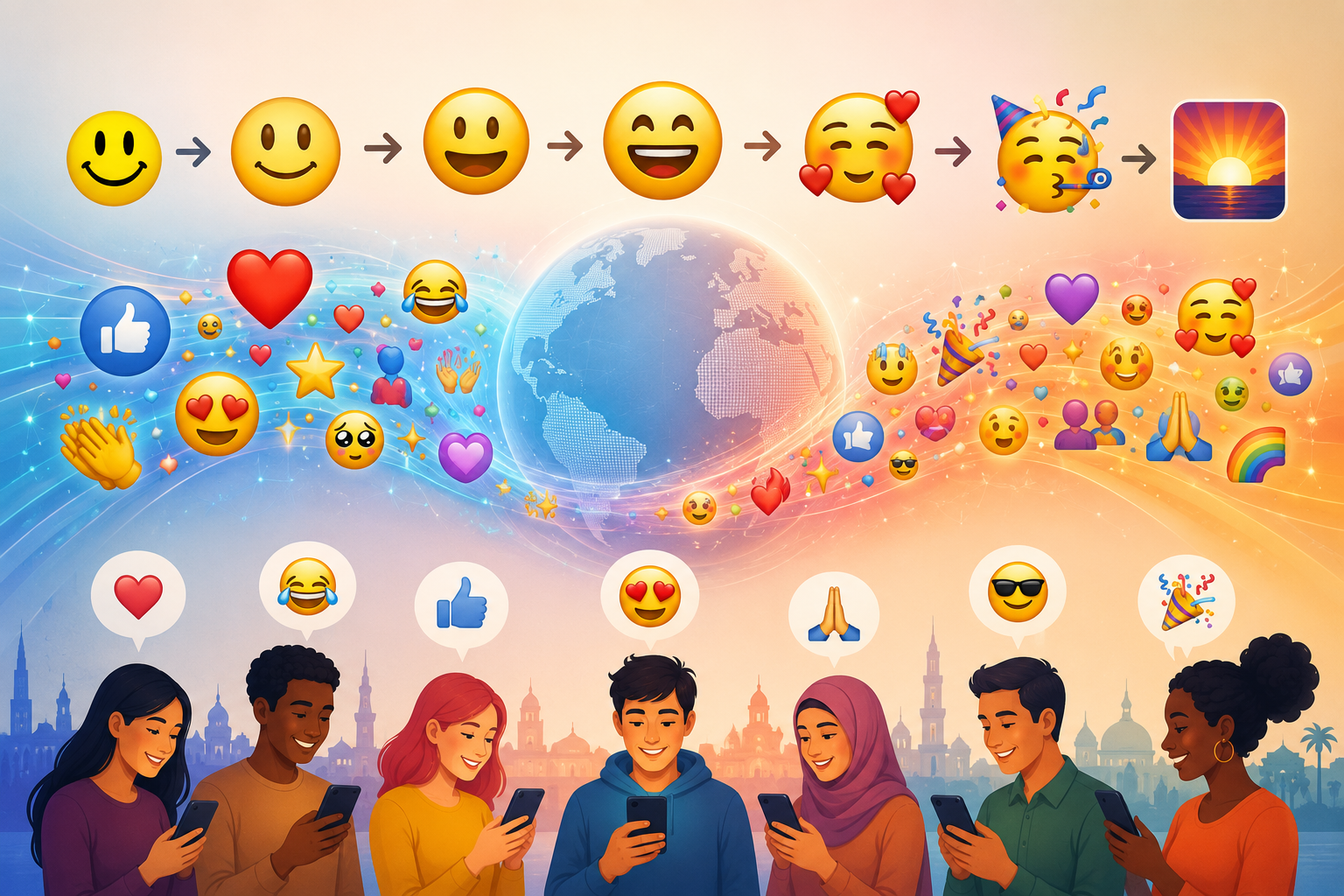
Thousands of years ago, ancient Egyptians communicated through hieroglyphs, a system of pictorial symbols carved onto stone walls. Today, our smartphone keyboards are filled with colourful icons that perform a surprisingly similar role. From expressing laughter and love to sarcasm and sympathy, emojis have become an inseparable part of daily communication. What began as simple smiley faces like :) has evolved into nearly 4,000 emojis recognised by Unicode, each capable of conveying emotions, ideas and even entire conversations.
THE CELEBRATION
World Emoji Day is celebrated every year on July 17. The occasion was created in 2014 by Jeremy Burge, founder of the emoji reference website Emojipedia. He chose July 17 because it is the date shown on Apple's calendar emoji. It was originally designed to commemorate the launch of the iCal calendar application in 2002. Since then, the day has become an opportunity to celebrate how these tiny digital symbols have transformed modern communication.
Typing "Hahaha" has increasingly been replaced with simply sending a laughing emoji. A red heart often says more than the words "I care", while a thumbs up can replace an entire sentence. Emojis have become so common that many conversations today contain more symbols than words, allowing people to react quickly while adding emotion to otherwise plain text. Perhaps the biggest recognition of their cultural significance came in 2015, when the Face with Tears of Joy emoji was named Oxford Dictionaries' Word of the Year. It was the first pictograph ever to receive the title, reflecting how visual symbols had become central to the way people communicate online.
WHEN EMOJIS MEAN SOMETHING ELSE
Yet emojis are far from static. Their meanings constantly evolve as new generations adopt them. Each generation also tends to read them differently. The loudly crying face emoji no longer represents only sadness. It is now widely used to express uncontrollable laughter, overwhelming emotions, or dramatic reactions. Likewise, the skull emoji has become shorthand for "I am dying of laughter", despite originally symbolising death. Even the simple thumbs up emoji has developed contrasting meanings. While older users view it as a positive acknowledgement, many younger users interpret it as cold, sarcastic, or dismissive. Even the slightly smiling face emoji is rarely used to convey genuine happiness among Gen Z. Instead, it is considered to be highly sarcastic, often masking sarcasm, discomfort, or fake positivity.
THE PSYCHOLOGY BEHIND EMOJIS
Linguists describe emojis as a form of paralanguage. They do not replace words but instead add emotional context to them. A simple "Okay" can appear neutral or even blunt, but adding a smiling face immediately changes the tone. Rather than carrying meaning on their own, emojis help readers understand how a message could be interpreted.
Research has also found that messages containing emojis are often perceived as warmer and friendlier than plain text because they mimic facial expressions and emotions that are otherwise missing from digital conversations. In many ways, emojis have become substitutes for the smiles, gestures and expressions people naturally use during face-to-face interactions.
A LANGUAGE THAT KEEPS EVOLVING
They have quietly entered everyday life. A "Good Morning" message in the family WhatsApp group rarely arrives without a sun, flower or folded hands emoji. Birthday wishes are often accompanied by balloons, cakes and confetti. Friends planning an outing may simply send a party popper followed by a question mark, instantly conveying, "When is the party?" without typing a single sentence. For many young people, messages without emojis can appear unusually formal or even unfriendly. Their influence extends beyond personal conversations. Brands use emojis in advertising campaigns to appear more relatable, businesses include them in social media posts to attract attention, and even public institutions use them to simplify online communication. What started as decorative symbols has become an important part of digital culture.
Despite their popularity, experts do not believe emojis will replace language. They cannot explain complex ideas, tell detailed stories, or communicate with the precision words can. Instead, they work alongside language, adding tone, emotion, and personality to conversations that might otherwise feel impersonal. From ancient hieroglyphs carved into stone to colourful icons tapped on smartphone screens, humanity has always looked for ways to communicate beyond words. As technology continues to advance, the meanings of various emojis will also evolve with culture and trends. Yet, their purpose will remain the same: helping people connect in ways that words alone cannot.