


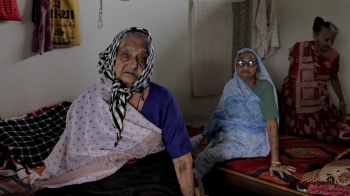
Across Goa, some of the biggest structures standing today are not malls, hotels, or government buildings ” they are faith-based institutions. Massive houses, training centres, multi-storey complexes, halls, campuses, and seminar facilities have been built over decades with almost sacred devotion. These structures rose not from corporate funding or government grants, but from the sacrifices of ordinary people: the fisherwoman who donated her savings, the elderly widow who parted with her savings, the daily-wage labourer who contributed from his day’s wage, and the countless families who not only gave but believed.
But today, many of these once-purposeful centres lie hauntingly empty. Doors locked. Rooms unused. Entire blocks forgotten. They were built for needs that once felt urgent, but the world has changed”and the institutions have not. Goa now faces modern social and psychological crises that cannot be solved with marble floors or echoing halls. What the poor need today is not infrastructure, but intervention. Not buildings, but human beings.
Faith-based organisations in Goa receive lakhs and crores in contributions, both in cash and property, and yet many followers do not ask a single question about utilisation.
And when followers don’t ask, leaders stop answering. When money flows without receipts, accountability quietly disappears. When financial scrutiny is absent, relevance collapses. Worse, some of these massive facilities”built “for the community””have turned into private residences for faith leaders. Palatial rooms, comfortable quarters, lush amenities: all housed within buildings that were originally meant to serve the poor. Leaders preach about uplifting the downtrodden, yet live physically and emotionally far from the people whose struggles they claim to understand. They talk about poverty from podiums but rarely walk into the lives of the poor. They raise funds “for the marginalised” without meeting the marginalised.
This disconnect is not just sad”it is dangerous. When leaders stop touching the suffering, their mission loses direction. When they stop meeting the poor, their preaching loses meaning. When they live inside halls meant for the community, their conscience loses grounding. But perhaps the most heartbreaking truth is this: the people who donated land and properties as wills”the ones who believed their final gift would uplift the poor”must be rolling in their graves today.
Imagine giving away your ancestral property believing it will become a community centre, only to see it become an abandoned block. Imagine donating your home to be used for social welfare, only to watch it turn into a leader’s residence. Imagine leaving behind your estate in deep faith, only for it to become a white elephant.
Faith-based institutions are now sitting on enormous unused assets built on sacrifice”yet refuse to repurpose them meaningfully. Repurposing requires imagination, humility, and effort. It requires admitting that the needs of the people have changed and the organisation must change too. But instead of reimagining these spaces, many institutions cling to nostalgia, tradition, or ego”building more while using less.
Meanwhile, the poor continue to suffer with issues these organisations are not responding to: addiction and substance abuse, untreated depression and grief, children facing online exploitation, domestic violence and emotional trauma, unemployment and hopelessness, adolescents struggling with identity, stress, and digital harm, families breaking down under psychological pressure, elderly people abandoned without support. These are human crises requiring trained staff, psychosocial care, mental health support, community outreach, counselling, guidance, and consistent presence.
Goa has dozens of massive, unused faith-based structures that could become life-changing institutions if we dared to repurpose them. Imagine what could be achieved if even half these buildings were transformed into:
Mental Health and Counselling Centres: Spaces where trained professionals support adolescents with depression, families in distress, individuals battling suicidal thoughts, and youth coping with anxiety, loneliness, trauma or online abuse.
Youth Resource and Skill Development Hubs: Computer labs, skill-training rooms, career guidance spaces, and mentorship programmes for young people seeking direction and hope.
Substance Abuse Recovery Support Centres: Community-based therapy and recovery hubs with psychologists, social workers, support groups, and vocational pathways.
Women’s Safe Spaces: Rooms where women facing violence, abandonment, or distress can seek help, counselling, legal support, and empowerment programmes.
Crisis Shelters and Transitional Housing: Temporary refuge for families in crisis, runaway youth, survivors of abuse, or elderly people abandoned without care.
Community Legal Clinics: Offering legal guidance, mediation, and support for vulnerable families who cannot access justice.
All of this is possible”not with new construction, but with reimagining what we already have. The buildings are there. The space is available. The sacrifice has been made.
What is missing is courage, honesty, and leadership willing to serve instead of display. Before another foundation stone is blessed, every faith-based leader in Goa should reflect: Why are our halls empty? Why are we living inside structures built for the poor? Where are our impact reports? What happened to earlier programmes? Why ask for money when older buildings lie dead? Who are we truly serving”people or pride?
And followers must ask: Where is my donation going? What happened to earlier contributions? Why is there no receipt? What impact does my giving create? Is my faith being honoured”or misused?
Faith should inspire generosity, not blind obedience. Charity should empower, not enable irresponsibility. Donations should uplift the poor, not maintain palaces. Goa does not need more buildings. It needs more backbone. We owe it to those who gave their everything, even their final wills, believing they were building a better world. We owe it to the poor who sit outside these empty halls needing help that never comes. And we owe it to ourselves to demand that faith-based organisations return to what faith is meant to do: heal, uplift, protect, and serve.
It is time to stop building walls”and start rebuilding purpose. Rebuilding accountability. Rebuilding connection with the poor. Rebuilding what faith once promised and can still deliver: compassion, justice, and human dignity.


