Goa is reaching that uncomfortable point when many of us look around at the place we love and wonder how much of it will still be recognisable ten years from now.
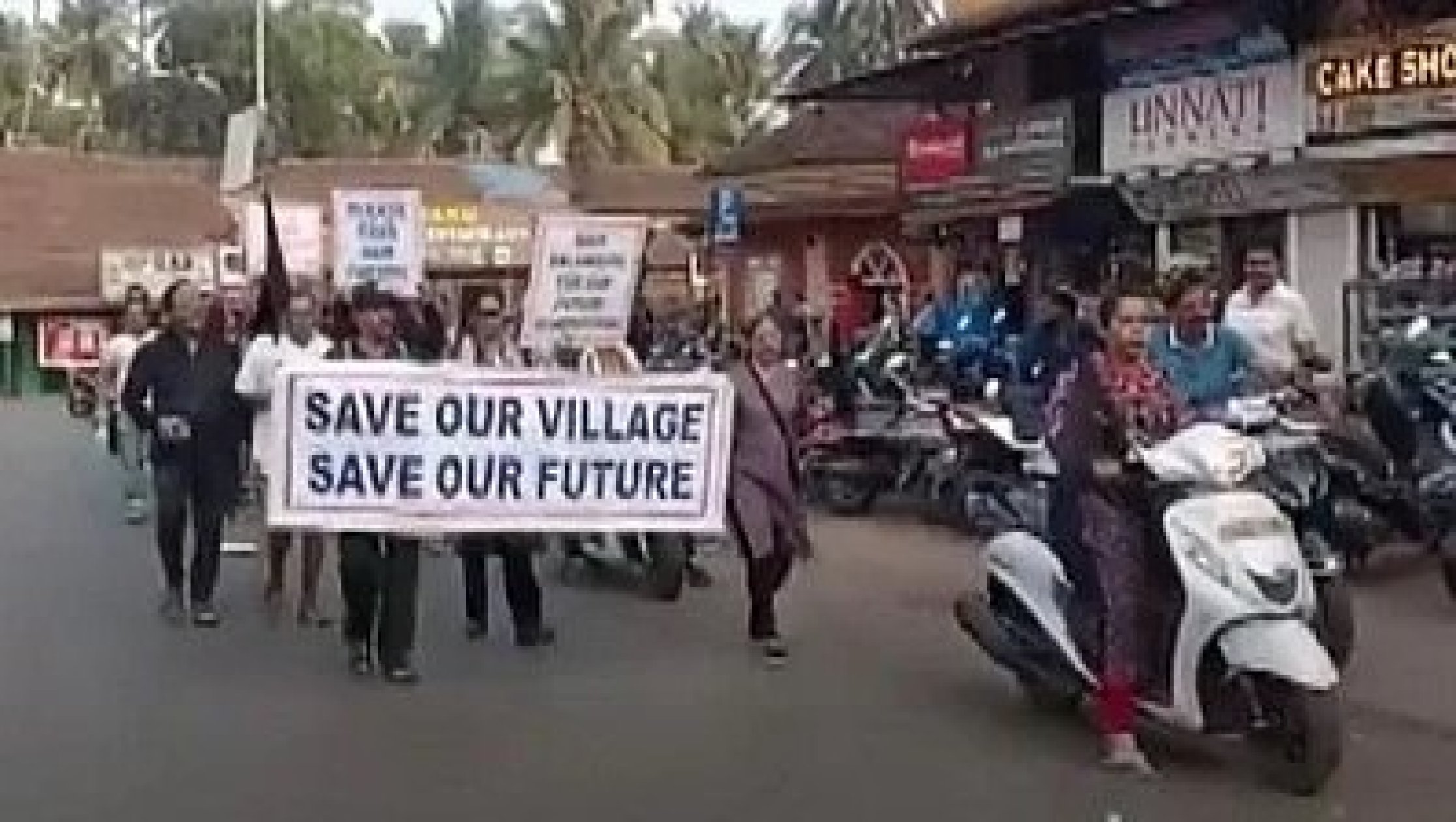
This is not simply nostalgia. Something more fundamental is happening. Hills that once formed the backdrop to villages are being cut. Fields that survived generations are disappearing under concrete. Villages that cannot guarantee their residents a reliable water supply are being asked to absorb ever larger developments. Government jobs remain an elusive promise, while another generation of young Goans quietly calculates whether it would be easier to build a future somewhere else.
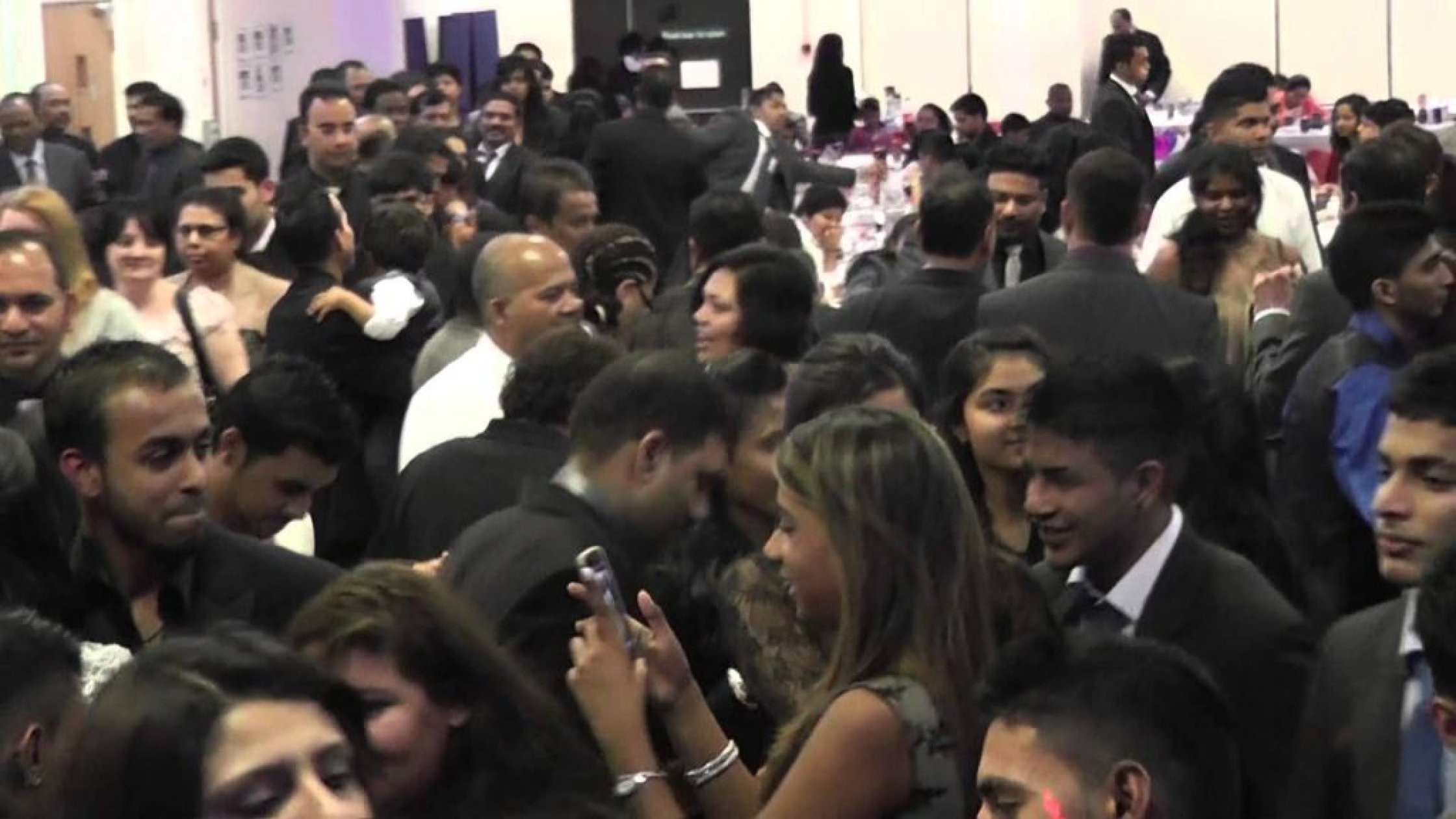
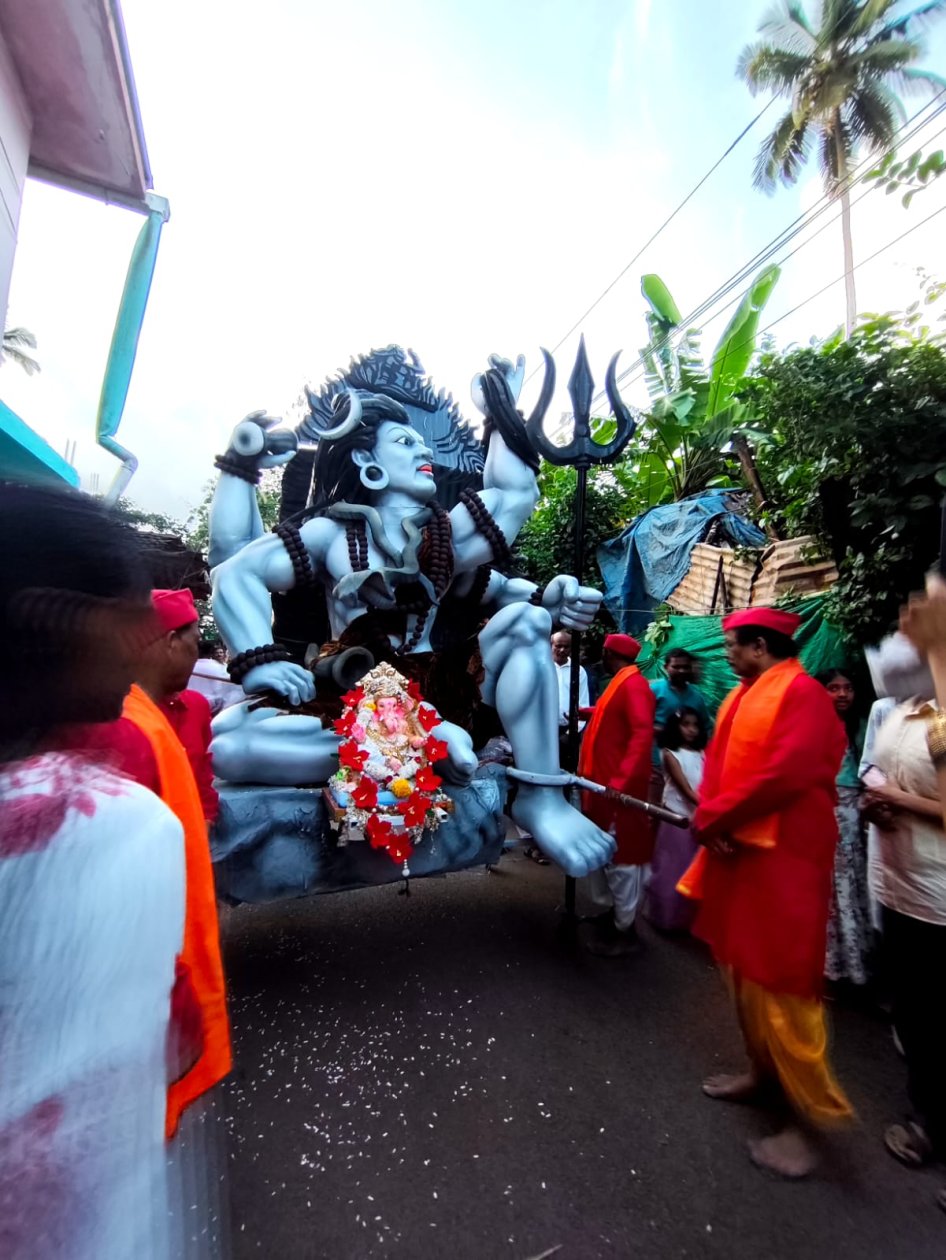
You hear the anxiety everywhere. Perhaps nowhere more moving than among Goans overseas, many of whom have spent half their lives away but still speak of Goa as home. They return looking for the village road, the family house, the field, the hill, the spring, the church or temple they remember. Increasingly, they return to find something missing.
There is today a real desire for a change of course. Whether that desire will translate into a change of government is another matter. Because the greatest gift the opposition can give a powerful, disciplined, deep pocketed, and resource-rich ruling party after nearly fifteen years in office is to remain divided. And it seems remarkably willing to do so.
Congress recently offered a troubling glimpse of the problem. Its young, energetic and hardworking state president had spent years doing the unglamorous work of leading a party in opposition during a difficult time. He had become a familiar face across Goa and, given time, might well have emerged as an acceptable Goan face for larger leadership. Then he was unceremoniously replaced. The party bosses in New Delhi offered no valid, but evasive reasons
Political parties are entitled to change their leaders. But the manner in which they do so matters. His removal reinforced an old and uncomfortable impression: that even now, decisions about who should lead a political party in Goa can be taken by people sitting in New Delhi. For a party asking Goans to entrust it with their State, that is not a small contradiction.
But Congress is hardly the only problem. Across the opposition are parties, factions, leaders and ambitions, each convinced of its own importance. Everyone speaks of unity. The difficulty begins when unity requires surrendering something, a seat, a constituency, a title, an ambition. And somewhere in those negotiations, Goa itself risks becoming incidental.
A divided opposition does not need to be rejected by the electorate to lose. It merely needs to divide those who want change. Three opposition candidates may collectively attract far more votes than the ruling candidate and still watch that candidate walk away with the seat. The ruling party understands this perfectly. It does not need a united Goa behind it. It needs a divided opposition in front of it.
That is why the responsibility before opposition leaders today is larger than deciding who gets which constituency. If they genuinely believe that nearly fifteen years of the present government have damaged Goa, then changing that government must surely matter more than deciding, before a single vote is cast, who gets to sit in the Chief Minister’s chair. First earn Goa’s confidence. The chairs can be arranged later. There is something almost indecent about politicians discussing positions while ordinary Goans are asking a much larger question: What is happening to our home? This is not an election whose consequences can simply be corrected five years later.
Governments can be replaced. Geography cannot. A hill flattened today will not rise again under the next government. A field covered with concrete will not return to cultivation. An aquifer contaminated by reckless construction and poor sewage planning cannot be replenished by a manifesto. A village that loses its character cannot recover it through an Assembly resolution. And a young Goan who leaves may discover that life elsewhere offers enough opportunity never to return. That is what makes this moment different.
The Opposition is not being asked to merge into one party or pretend that ideological differences do not exist. Its leaders do not have to become friends. But they do have to show political maturity. There are moments when leadership means recognising that what you are fighting for matters more than the position you hope to occupy. This is one of them.
Goans have responsibilities too. We cannot spend five years complaining about what is happening to Goa and then reduce an election to community, personality, party loyalty or the private favour an MLA once did for our family. Politics in Goa has become painfully transactional because we have helped make it so.
But the heavier burden now lies with those who claim they can offer something different. If the Opposition fragments again, if personal ambition overwhelms common purpose, and if this opportunity disappears into another round of three-cornered and four-cornered contests, its leaders should spare us the explanations afterwards. Do not blame money. Do not blame political machinery. Do not blame the voter. They will have squandered the opportunity themselves.
And they will have failed not only those living in Goa, but Goans scattered across the world who watch helplessly as the place they still call home is slowly transformed. There may still be time to change Goa’s course. But not everything will wait for another election. The hills will not. The fields will not. The water beneath our feet will not. And neither will another generation of young Goans deciding whether Goa is still a place in which to build a life.
The Opposition has a choice to make. It can continue arguing over who should inherit power. Or it can first make sure there is still a Goa worth inheriting.