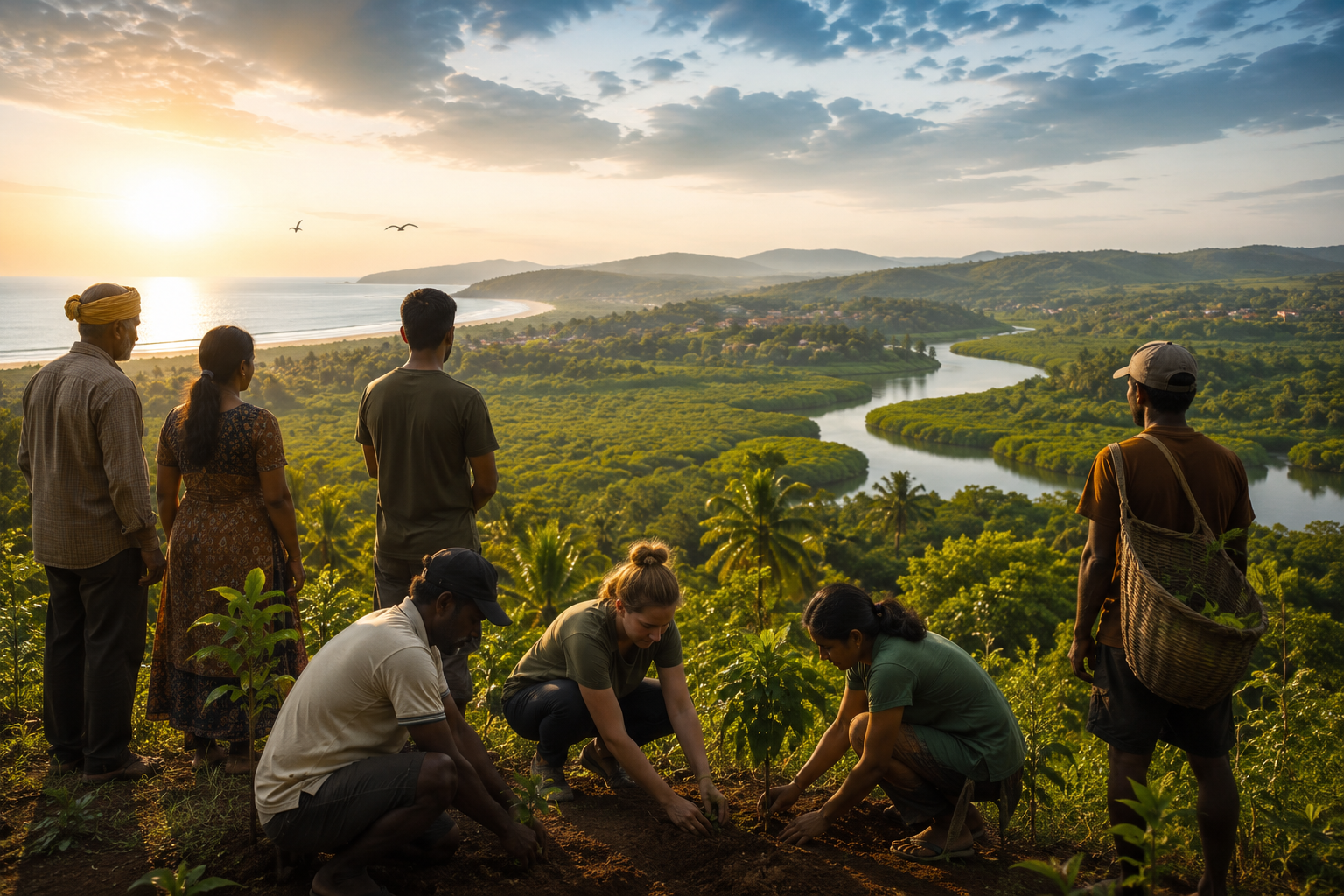
BEYOND IDENTITY LIES A SHARED RESPONSIBILITY
It has often been assumed that the debate surrounding Goa’s future is one between natives and migrants, between those born within its boundaries and those who have chosen to make the State their home. Yet, recent public discussions surrounding the proposed digital inventory of traditional occupations, environmental protests, and rapid infrastructure development suggest that the more important distinction may lie elsewhere. It may not be one’s place of birth that determines one’s commitment to Goa, but rather one’s understanding of what Goa represents and what ought to be preserved for future generations.
An unexpected lesson has been offered not in a courtroom or a public meeting, but within the corridors of a hospital.
During prolonged periods spent caring for an ailing family member, a striking contrast has been observed. The security personnel, housekeeping staff and multi-tasking staff, many of whom have travelled from distant States in search of a livelihood, have often displayed remarkable patience towards anxious relatives. Directions have been offered without hesitation. A reassuring word has been spoken at moments of uncertainty. A wheelchair has been quietly arranged without being requested. Such gestures have carried no professional obligation, yet they have often brought immense comfort to families experiencing fear and exhaustion.
By contrast, it has occasionally been noticed that communication from those occupying positions of greater professional authority has become increasingly formal when difficult situations have arisen. Questions have sometimes been been met with evasive responses. Eye contact has been avoided. Families have been referred from one professional to another. While such conduct may arise from institutional protocols, overwhelming workloads or fear of legal consequences, the emotional effect upon relatives has remained significant.
This contrast offers a broader lesson about society itself.
Compassion is seldom determined by authority alone. It is frequently shaped by experience. Those who have endured uncertainty, hardship and personal loss often acquire a deeper appreciation of the anxieties experienced by others. Such empathy cannot be measured through qualifications, salary or professional designation. It emerges through lived experience.
Perhaps the same principle deserves consideration within the environmental discourse presently unfolding across Goa.
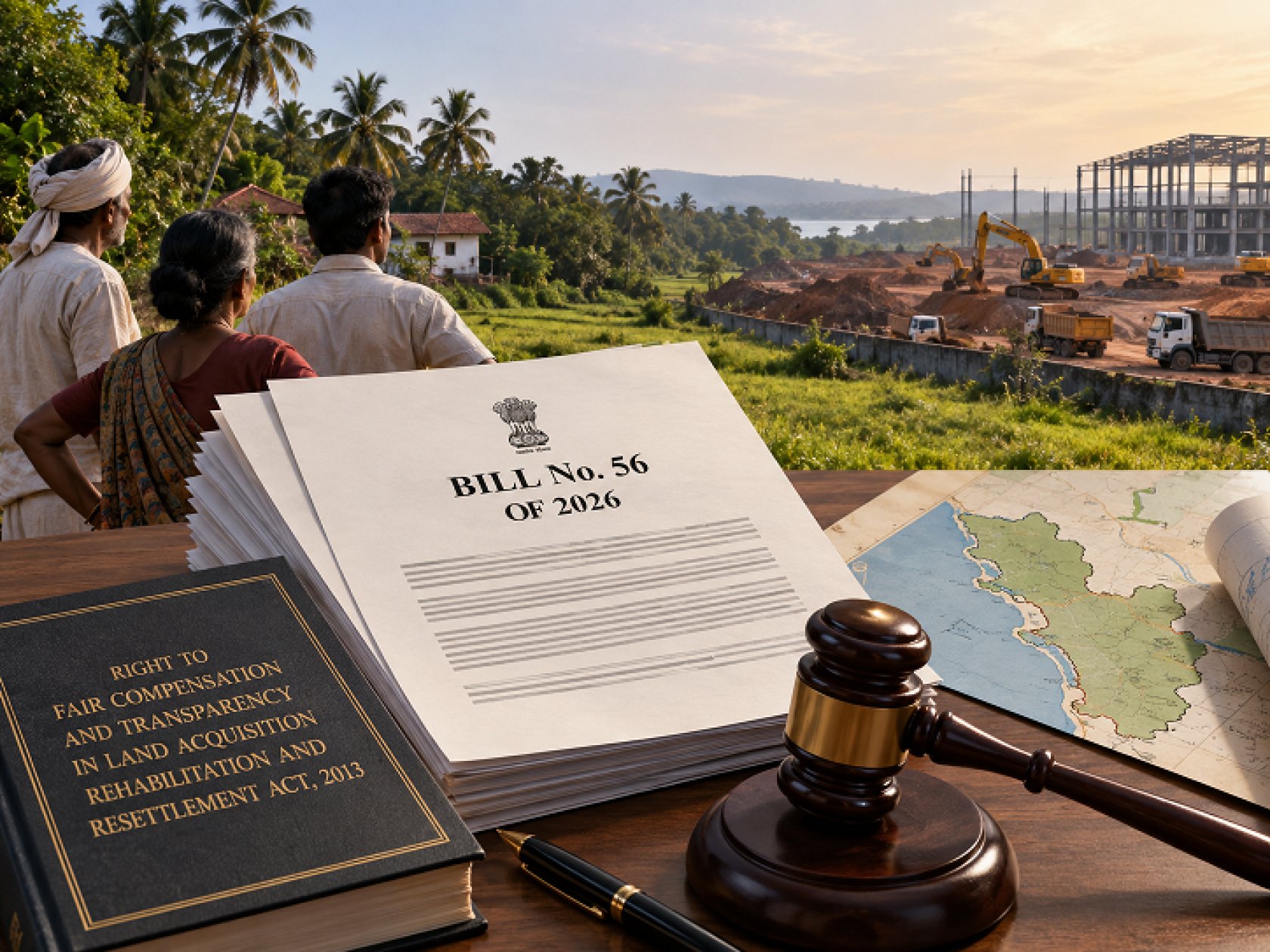
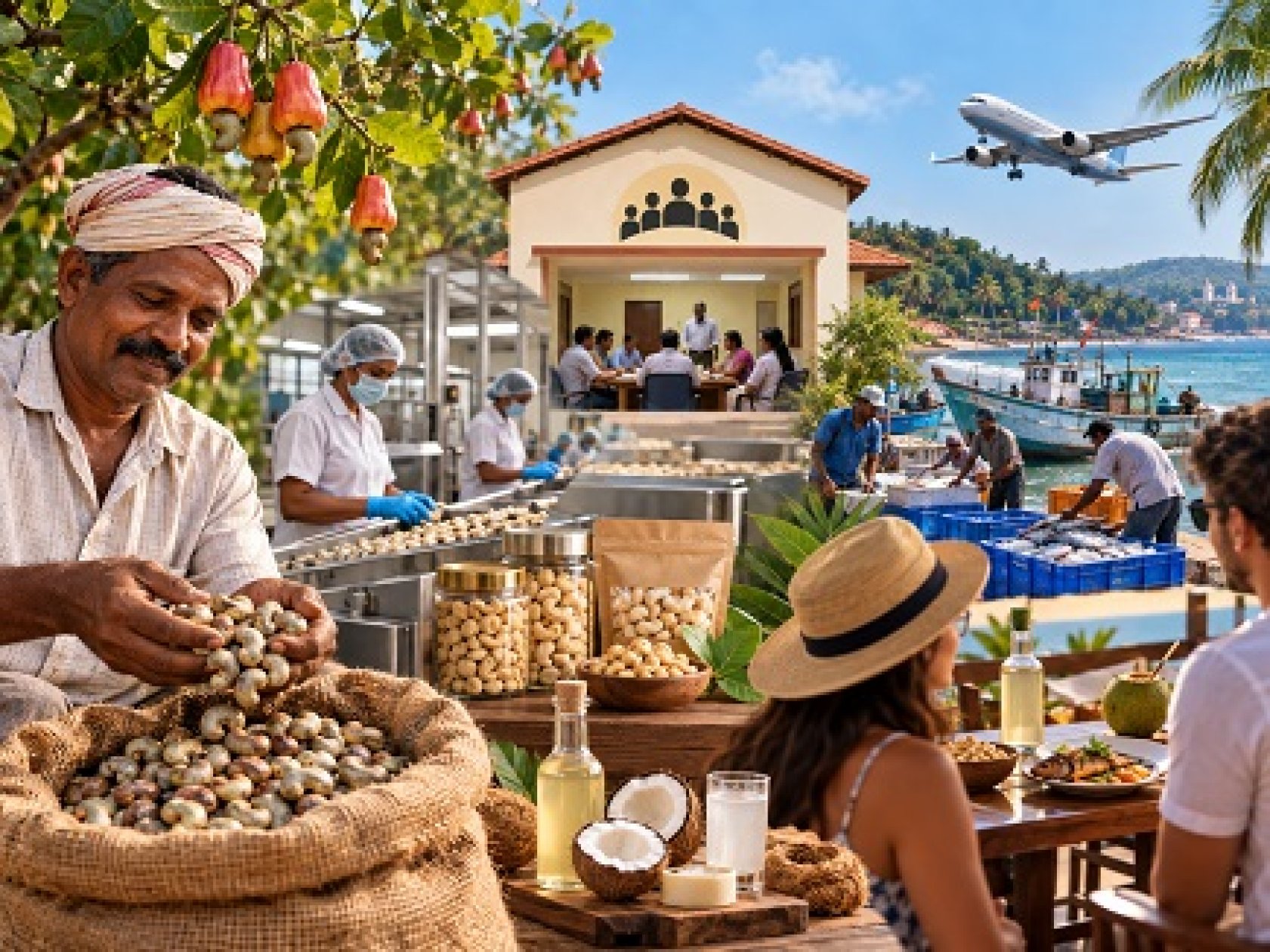
Much attention has rightly been given to preserving traditional occupations through digital documentation and official recognition. While these initiatives rightly acknowledge the cultural and economic importance of farming, fishing, toddy tapping, pottery, salt panning and other traditional livelihoods, an important question remains: can they survive if the rivers, forests, khazan lands, wetlands and village landscapes they depend on face growing developmental pressure? An inventory can record an occupation, but not preserve the ecosystem that sustains it. This is especially relevant amid recent opposition to infrastructure projects, land acquisition and ecological concerns, often framed as a choice between development and conservation, when the reality is far more complex.
The true debate concerns the kind of future that Goa wishes to create.
Infrastructure is essential; roads, bridges, housing and public facilities cannot be rejected for altering landscapes. Equally, conservation is not anti-development. Sustainable governance requires development to coexist with, not replace, environmental responsibility.
It is within this discussion that another unexpected possibility deserves reflection.
Many migrants to Goa have sought not just employment but a quality of life increasingly lost elsewhere. Congested cities, shrinking green spaces, polluted rivers and unchecked urbanisation have driven families to seek a place where environmental integrity still exists.
In choosing Goa, such individuals may have recognised the value of something that had already been lost in the places they left behind.
History repeatedly demonstrates that people who have witnessed loss often become determined guardians of what remains.
This does not suggest that migrants possess greater concern for Goa than those born here. Nor does it diminish the countless Goans who have devoted decades to protecting forests, rivers, biodiversity, heritage structures and village communities. Goa’s environmental movements have largely been built through the dedication of its own people, whose commitment deserves the highest respect.
At the same time, it would be equally mistaken to presume that environmental stewardship belongs exclusively to those who trace their ancestry to Goa.
The Constitution imposes environmental responsibilities upon every citizen. Love for a landscape cannot be measured through ancestry alone. It is equally reflected through conduct, participation and the willingness to protect common resources.
The individual who arrived yesterday yet plants trees, participates in river restoration, supports sustainable planning and opposes ecological destruction contributes meaningfully to Goa’s future. Equally, the lifelong resident who protects traditional knowledge and community institutions performs an equally indispensable role.
The real divide therefore may not exist between Goans and non-Goans.
It may instead exist between those who perceive Goa primarily as an economic opportunity and those who regard it as an ecological inheritance deserving careful stewardship.
The hospital corridor offers a fitting metaphor. The individual possessing the greatest institutional authority is not always the one who provides the greatest reassurance. Sometimes the quietest act of humanity emerges from the person who understands suffering because suffering has already become part of his own life’s experience.
Those who have already watched rivers disappear, forests vanish and cities surrender to unplanned expansion may recognise the early warning signs long before others do. Their appreciation for Goa’s environmental character may therefore arise not from sentiment alone, but from memory.
In the end, the measure of Goa’s future will not be determined by the number of occupations that are digitally documented. It will instead be determined by whether enough people, irrespective of where they were born, choose to preserve the landscapes that have made those occupations, and Goa itself, worth inheriting.