PANAJI
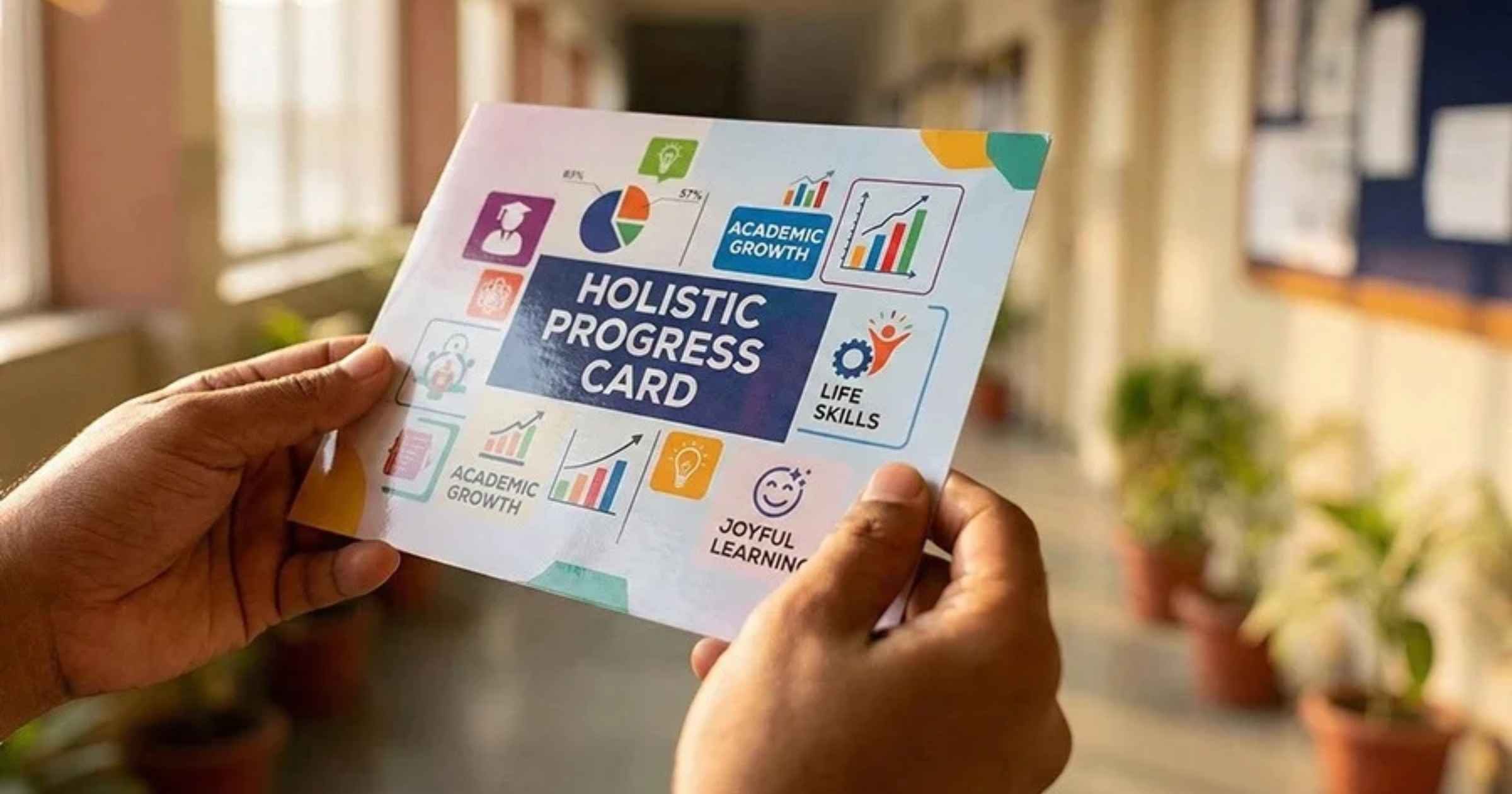
In a major shift from traditional marks-based assessment, the Goa Board of Secondary and Higher Secondary Education (GBSHSE) will introduce the Digital Holistic Progress Card (DHPC) for Grade 9 students from the current academic year, making Goa the second state in the country after Gujarat to implement the National Education Policy (NEP) 2020 assessment framework digitally.
The initiative will be launched on a pilot basis for Grade 9 and will continue with the same batch of students up to Grade 12 replacing the conventional printed report cards with a comprehensive digital record of each student's overall development. As reported earlier by The Goan, the State Council for Education, Research and Training (SCERT) has already announced the roll out of HPC for grade 1 to 8 from the ongoing term.
Unlike traditional report cards that focus largely on examination scores, the Digital HPC adopts a 360-degree assessment framework, evaluating cognitive, emotional and psychomotor development while incorporating feedback from teachers, parents, peers and students themselves.
Speaking to The Goan, GBSHSE Chairman Bhagirath Shetye said that recognising that every learner possesses unique strengths and potential, the NEP advocates replacing conventional marks-based report cards with a HPC that captures a learner's comprehensive development.
"This framework enables schools to assess learners through a 360-degree approach, integrating scholastic achievement with competencies, values, attitudes, creativity, well-being and life skills," Shetye added.
The Digital HPC records evidence of learning throughout the academic year instead of relying solely on annual examinations. It aims to promote competency-based education, encourage continuous assessment, reduce dependence on high-stakes examinations and generate learning analytics that can help teachers design personalised interventions.
The report card will include a learner profile covering attendance, interests, hobbies, health and participation in co-curricular activities. Students will also complete self-assessments reflecting on their strengths, aspirations and areas for improvement, while peers and parents will contribute feedback on teamwork, behaviour, learning habits and emotional well-being.
Subject evaluation will also undergo a transformation, with teachers assessing defined competencies through classroom observations, projects, assignments, presentations, practical work and portfolios rather than only written examinations. Student performance will be graded through developmental levels such as Beginning, Progressing, Proficient and Advanced, accompanied by qualitative teacher observations and intervention plans wherever necessary.
Shetye said Goa's existing digital infrastructure, including online student registration, examination management systems, internal assessment portals and DigiLocker integration, makes the state well-equipped to implement the DHP Card in a phased manner, aligning school education with the objectives of NEP 2020.