THE GOAN NETWORK
PANAJI
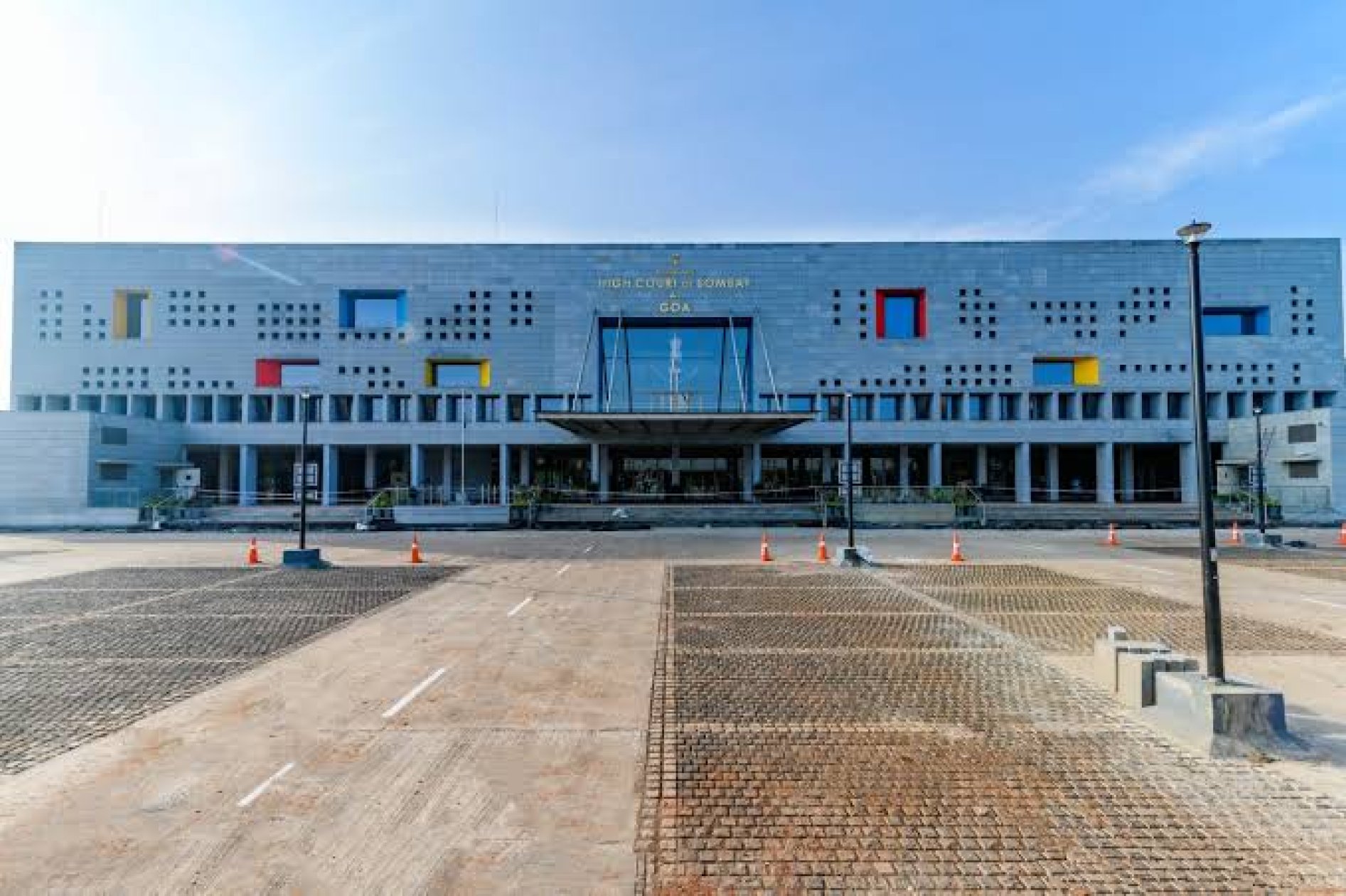
The Goa State Pollution Control Board may have exceeded its powers by preventing a 65-seat restaurant from reopening, with the High Court of Bombay at Goa finding, prima facie, that the restaurant did not require a Consent to Operate and that the Board’s Member Secretary had no authority to issue one.
The Division Bench of Justice Valmiki Menezes and Justice Amit Jamsandekar passed the interim order on Tuesday while hearing a petition filed by Tavora Restaurant Pvt Ltd challenging the GSPCB’s direction issued under the Air (Prevention and Control of Pollution) Act and the Water (Prevention and Control of Pollution) Act.
During the hearing, the Bench was also told that the restaurant, with a seating capacity of 65, falls under the ‘white category’ and is therefore exempt from obtaining such consent under the notifications issued in 2024 and 2025, as well as a July 20, 2026 communication from the Central Pollution Control Board.
“On considering the aforementioned provisions of the Air Act and Water Act, and on perusing both, the resolution of the Board and the notification issued by the Central Pollution Control Board, prima facie, we are of the opinion that the Member Secretary has no power to issue any ‘Consent to Operate,” reads the order, adding,
“In any event, based upon the exemption granted to the restaurants which fall under the “white category”, to which the Petitioner’s restaurant undisputedly belongs, there would be no requirement for Consent to Operate at all.”
The GSPCB had allowed the restaurant to be temporarily desealed so that its air-pollution control measures could be verified, but had barred it from operations until it obtained the consent.
The Bench reiterated that prima facie, there would be no requirement of a Consent to Operate for the restaurant. "Therefore prima facie at least, the order is passed without any
jurisdiction... we grant interim relief... The restaurant of the Petitioner shall be desealed forthwith," it said.
The Bench also clarified that the GSPCB was free to inspect the premises, verify the effectiveness of its air-pollution control measures and make any suggestions it considered necessary.
The court has also sought a detailed explanation from the GSPCB on the “large scale delegation” of powers to prosecute under its April 16, 2024 resolution, and submit its affidavit within a week.
The Bench said the issue assumed importance as it had come across several cases, including criminal prosecutions, where accused persons were discharged after questioning the Board’s authority to delegate the power to sanction prosecution to its Member Secretary. The matter will next come up on September 1, with the Court slamming the manner in which the Board had been passing orders.