


MAPUSA
In a first-of-its-kind citizen accountability initiative in Goa, the civil society organisation Together for Mapusa (TFM) has called upon the administration to publicly disclose its monsoon disaster preparedness plan, effectively asking authorities to demonstrate what measures have actually been taken before the rains arrive.
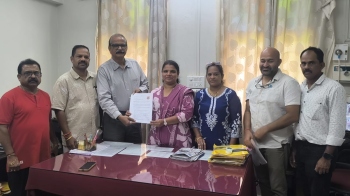
At a time when government departments routinely conduct pre-monsoon reviews behind closed doors, TFM has sought to bring the entire process into the public domain by submitting a detailed memorandum to the Deputy Collector of Bardez demanding transparency, preparedness and accountability.
The memorandum, signed by TFM President Mahesh Rane and General Secretary Jitesh Kamat, points out that preparing for floods, landslides, electrocution incidents, falling trees, building collapses and disruption of essential services is not an optional exercise but a fundamental responsibility of the administration.
What makes the move significant is that TFM is not reacting to a disaster after it has occurred. Instead, the organisation is seeking answers before the onset of the monsoon, asking authorities to prove that preventive measures are in place and that lessons from previous years have been acted upon.
The organisation has sought a comprehensive report covering the disaster management plan for the current monsoon season, identification of vulnerable areas, status of desilting works, emergency response arrangements, availability of rescue equipment, emergency shelters, relief centres and deployment strategies for response teams.
TFM has also demanded details of measures taken to address hazardous buildings, dangerous trees and vulnerable electrical infrastructure, besides seeking information on public warning systems and contingency plans to ensure uninterrupted supply of water, electricity, sanitation and healthcare services during emergencies.
Importantly, the memorandum asks whether mock drills and emergency response simulations have been conducted before the commencement of the monsoon.
If such exercises have been held, the organisation has requested that reports highlighting deficiencies, observations and corrective measures be made public.
Drawing attention to the increasing frequency of extreme weather events linked to climate change, TFM argued that citizens have a right to know whether authorities are adequately prepared to respond to foreseeable emergencies.
The organisation also cited Kerala's widely recognised disaster preparedness model, where regular mock drills, community participation, inter-agency coordination and public awareness campaigns have significantly improved emergency response capabilities and demanded Goa follow the same by being proactive rather than reactive.
By demanding that the administration place its preparedness record before the public, TFM has shifted the focus from the traditional cycle of post-disaster blame and explanations to pre-disaster accountability.
As monsoon clouds gather over Goa, the memorandum sends a clear message: disaster management should not begin after an emergency occurs.
Citizens have a right to know, in advance, whether the administration has truly put its house in order.


