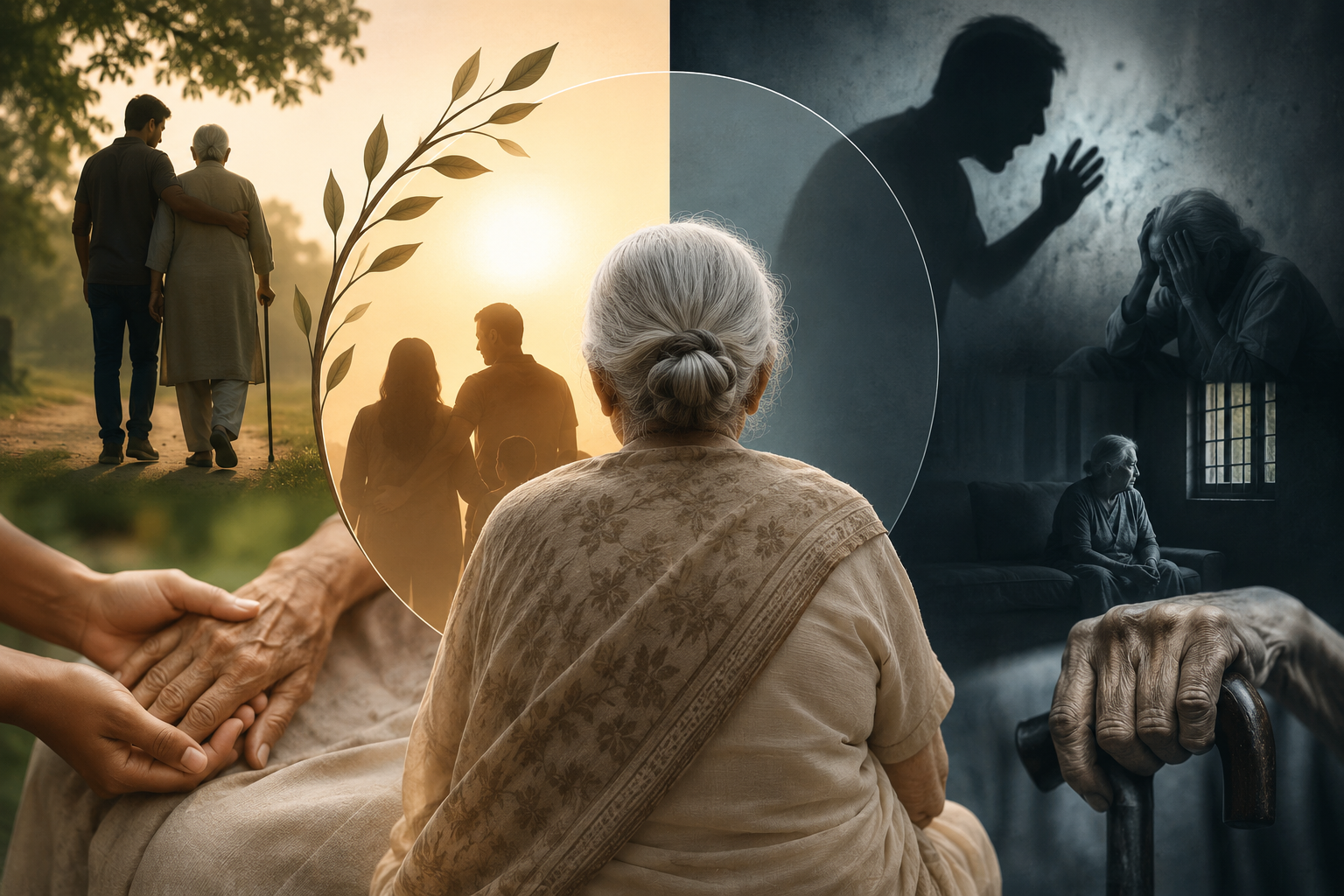
For many, a home with an aji (grandmother) and ajoba (grandfather) is one filled with stories around the dining table, warm embraces, and melodious lullabies.
However, the harsh reality of elder abuse, whether physical, emotional, or financial, often shatters this comforting image. When older adults face neglect or mistreatment, a difficult question emerges: where do they find dignity, security, and compassionate care?
On June 15, World Elder Abuse Awareness Day (WEAAD) was observed to raise global awareness about the exploitation and neglect of older adults. In a state like Goa, which boasts a rapidly ageing population, the broader focus on elder abuse continues to spark outrage and demands for systemic change. As more families find it increasingly difficult to provide round-the-clock care at home, retirement facilities have become a necessary alternative.
Need for safe and dignified care
These institutions aim to provide shelter, medical support, and companionship. A retirement home should be more than just a facility; it must be a sanctuary where residents live with freedom and happiness, choosing how to spend their days while building meaningful relationships. However, these spaces face their own silent struggles, ranging from financial constraints to ensuring residents receive dignity and emotional well-being alongside essential healthcare.
Staff and financial challenges
One of the most pressing challenges is finding professional, compassionate staff. “It is extremely difficult to find caregivers who genuinely enjoy working with older adults,” mentions Prasad Bhide, Founder and CEO of Aaji Care.
Financial hurdles also loom large. For Karyn Priscilla, Founder of Shalom Retirement Homes, funding remains the immediate task at hand. “We are currently in need of renovations, including repainting the building and carrying out plumbing work. We want to provide our residents with the best possible environment, but due to limited financial resources, these improvements have been delayed,” she says. Despite these hurdles, she remains hopeful that individuals and organizations will sponsor the much-needed maintenance. Additionally, Bhide points to another systemic hurdle: the lack of clear regulations and standards governing assisted living centers.
Changing family dynamics
Changing family structures have heavily contributed to the growing demand for these homes. As education and employment opportunities take many younger Goans to other parts of the country and abroad, ageing parents are increasingly left to live independently.
“When the children are not able to give quality care due to their busy schedule, but they want good care for their parents, so they move them to a centre like ours where comprehensive medical and emotional care is available under one roof,” Bhide states. Thus, while many families continue to care for their elderly at home, others turn to assisted living when constant support is no longer feasible.
Community support
Both Priscilla and Bhide believe the broader community has a significant role to play in ensuring older adults do not feel forgotten. “The community can make a huge difference by volunteering, supporting retirement homes through donations or sponsorships, and helping improve living spaces,” shares Priscilla. She believes small acts of kindness, meaningful conversations, and community involvement can greatly reduce loneliness.
While spending time with them is important, Bhide believes it is equally crucial to listen and encourage seniors to stay active through hobbies or teaching. “You can also help them learn simple technology that makes life easier. Yet most importantly, respect and value caregivers, as they play a vital role in improving the quality of life for the seniors,” he remarks.
The ongoing conversations around elder neglect highlight a larger societal issue that cannot be ignored. As Goa continues to age, the discussion must go beyond mere statistics. Ensuring that every older adult lives with dignity, care, and respect is not just the responsibility of families or institutions, but of society as a whole.