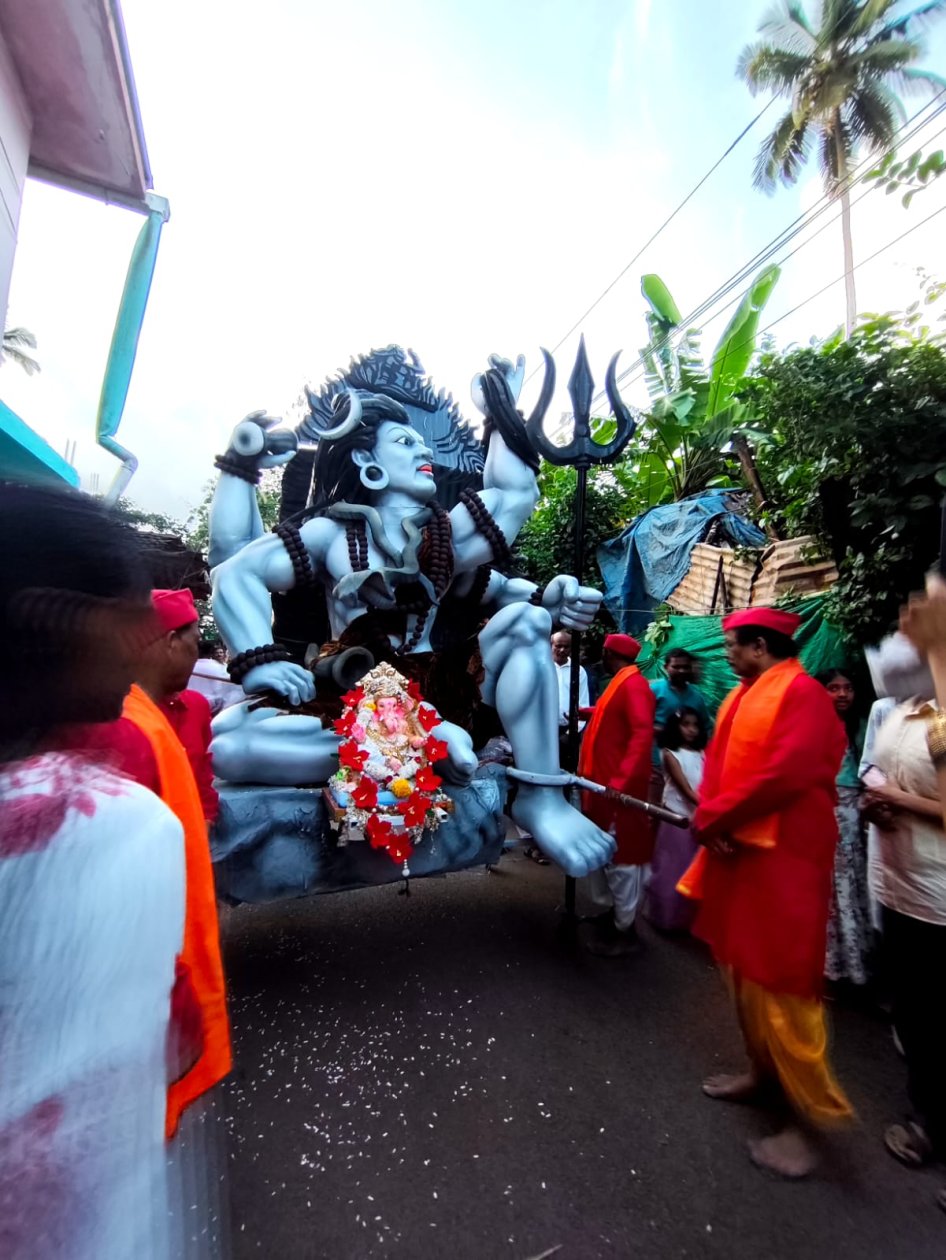
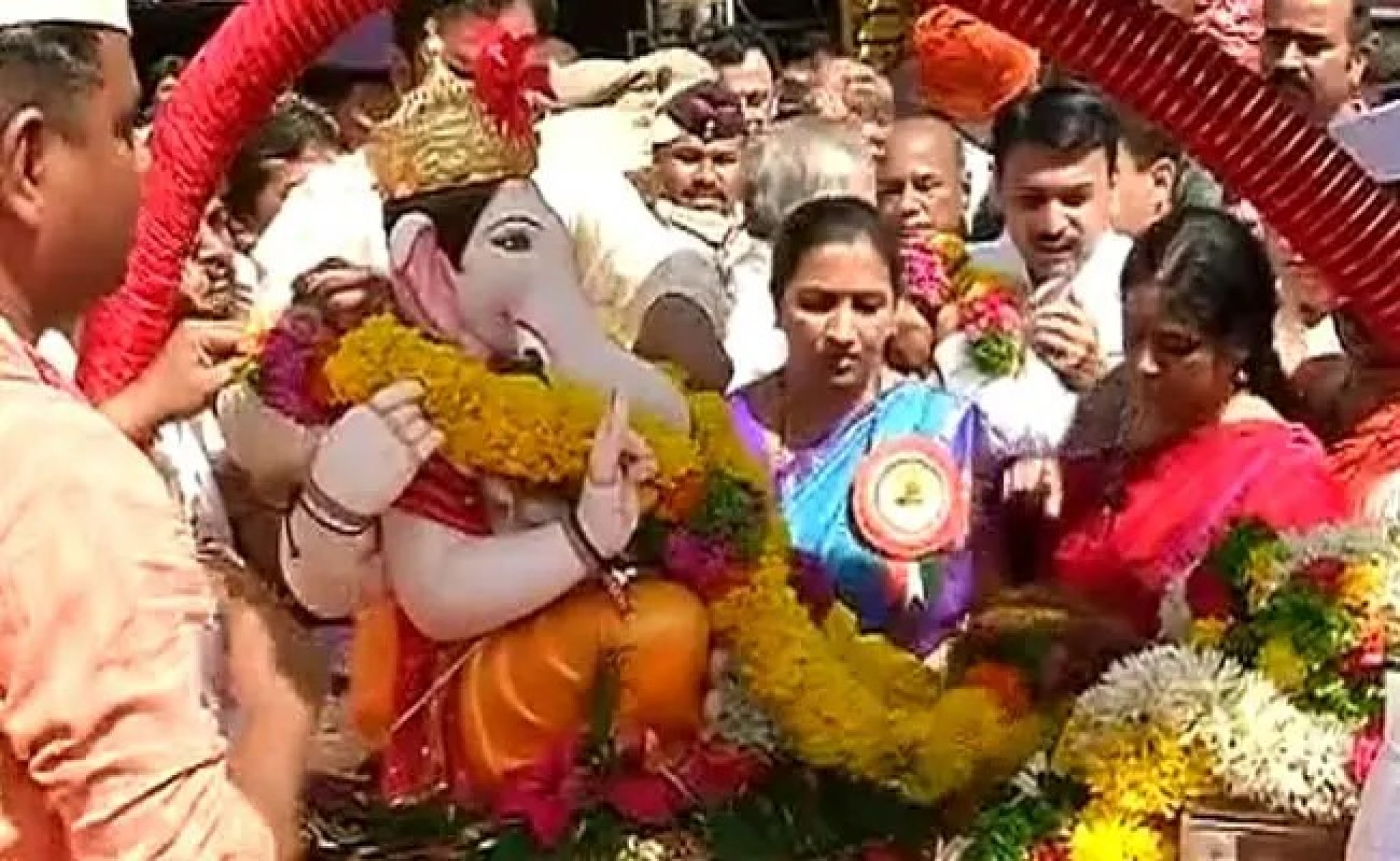
The duality of Indian festivals -- observed in the way they transition seamlessly between intimate, private rituals and grand communal spectacles -- is what makes them so deeply ingrained in our culture.
Goa is known for celebrating many vibrant festivals publicly in its streets, beaches, and villages, bringing locals and visitors together for large-scale cultural events.
However, commercialisation and unregulated organisation have shifted festivals from community-bonding events into chaotic annual challenges for Goan towns.
The public celebration of festivals in Goa have transitioned from intimate community gatherings into massive commercialized events. While these celebrations boost tourism and showcase culture, they increasingly pose severe logistical, environmental, and social problems for the local population.
The most immediate impact on residents is the near-total collapse of local infrastructure.
Since the state’s urban centres feature narrow roads, any blockage triggers massive traffic gridlocks during major festivals. Commuters, public transport, and even emergency vehicles like ambulances find themselves stranded for hours.
Residents in festive hotspots often find themselves ‘marooned' in their own neighborhoods. Furthermore, the trail of litter left behind is a nightmare for civic authorities.
Mass celebrations generate overwhelming amounts of waste that Goa’s municipal systems struggle to manage. Festivals leave behind heaps of plastic bottles, food wrappers, and non-biodegradable waste on public fields. We are in fact staring at one of the most complex, emotionally charged paradoxes in modern urban planning.
The juxtaposition of profound cultural or religious reverence with the immediate environmental neglect during and immediately after large festivals and fairs is one of the most visible challenges in modern civic management.
The sheer volume of rubbish and garbage strewn around after these events leads to a lot of finger-pointing with none the wiser to the root cause or a viable solution which could ameliorate the situation.
It is claimed that this challenge usually stems from a few systemic and behavioural issues.
Temporary festivals - or short-term public celebrations - often draw crowds that completely overwhelm the existing trash receptacle and public restroom infrastructure of a city.
Moreover, large crowds can create a sense of anonymity, leading individuals to litter under the assumption that cleaning up is the sole job of the administration.
Civic bodies generally tend to focus entirely on security and crowd control, treating waste management as an afterthought rather than an integrated part of the festival’s logistics.
Even if the entire workforce of respective municipalities were to be diverted to exclusively manage the monumental mess that characterizes such festivals, the regular household and roadside garbage piling up in the areas away from the festival venue would lead to widespread civic complaints.
Public attention during these events is overwhelmingly directed toward rituals, celebrations, and commerce, leaving environmental impact as an overthought.
While most of our festivals are deeply rooted in religious tradition and cultural enthusiasm, the celebrations have increasingly become a source of public nuisance, safety hazards, and civic disruption.
One of the most annoying parts of all these public celebrations is the severe disruption of daily life. Organizers routinely erect massive stages and block major arterial roads in busy commercial hubs like Margao, Vasco, Panaji, and Mapusa.
Moreover, the traditional, devotional essence of the public celebrations of festivals in general have largely been replaced by high-decibel commercial entertainment. The extensive use of heavy sound systems, firecrackers, and high-intensity lighting causes severe noise and light pollution.
This is deeply distressing and stressful for the elderly population, infants, and hospital patients housed in nearby residential areas.
Additionally, the influx of political patronage and massive cash prizes has turned a spiritual event into an aggressive competition, often attracting rowdy crowds and leading to public intoxication or street brawls.
The alleged molestation of a local girl during the recent ‘Dahi Handi’ celebrations in Khorlim, Mapusa, brings several such critical issues to the forefront. When discussing the ‘Dahi Handi’ celebrations which occur the day following ‘Sri Krishna Janmashtami’, it is impossible to overlook the crucial safety aspects of the festivities.
The lack of stringent safety regulations during the formation of multi-tiered human pyramids poses a direct threat to human life. Participants, often young boys or men known as ‘Govindas’, frequently climb several stories high without safety harnesses, helmets, or crash mats below.
When these events are organized on cramped tarmac roads, the risk multiplies. Furthermore, the spontaneous throwing of water on pyramids creates slippery road conditions, endangering motorists and pedestrians long after the event ends.
To mitigate this growing nuisance, the state needs stricter administrative intervention. The government and the police must enforce designated zones for celebrations, moving them away from critical traffic junctions and residential neighbourhoods into open grounds.
Strict time limits on loud speakers, mandatory safety gear for participants, and corporate liability for organizers regarding post-event cleanup are essential steps.
Ultimately, ‘Dahi Handi’ can only retain its festive joy when the enthusiasm of the participants respects the peace, safety, and freedom of the general public.
Public celebrations of festivals should bring communities together in joy, not cause unnecessary hardship to the common man. When celebrations block major roads, create excessive noise, or lead to massive accumulation of waste, they disrupt the daily lives of regular citizens. We are on the threshold of another festive season!
Balancing rich cultural traditions with a strong sense of civic duty ensures that public festivals remain joyful, safe, and inclusive for everyone in the community. As public spaces transform into hubs of celebrations, a collective commitment to civic responsibility helps preserve the dignity of the tradition while respecting the rights of fellow citizens.
Festivals are the harbingers of joy, peace, harmony, and renewed hopes.
Yet, modern celebrations often lose sight of that simplicity. Grand over-the-top festivities frequently transform what should be a soulful experience into a source of stress and disruption.