It is one of Goa's best kept secrets. Yet, apart from the occasional mention, this online world seems to be going totally unnoticed and living an underground life. Yet, the few who are active on it have long known about its existence, and have benefited from its existence. Some, like this columnist, have also attempted to participate and contribute back to the Goan presence in cyberspace.
In fact, Goa has long had its own social networks and collaborative spaces. This was true long before social media and cyberspace came about.
Goa and Goans have built social capital through a remarkably wide range of voluntary, not-for-profit and community-based institutions. Yet, we ignore the same.
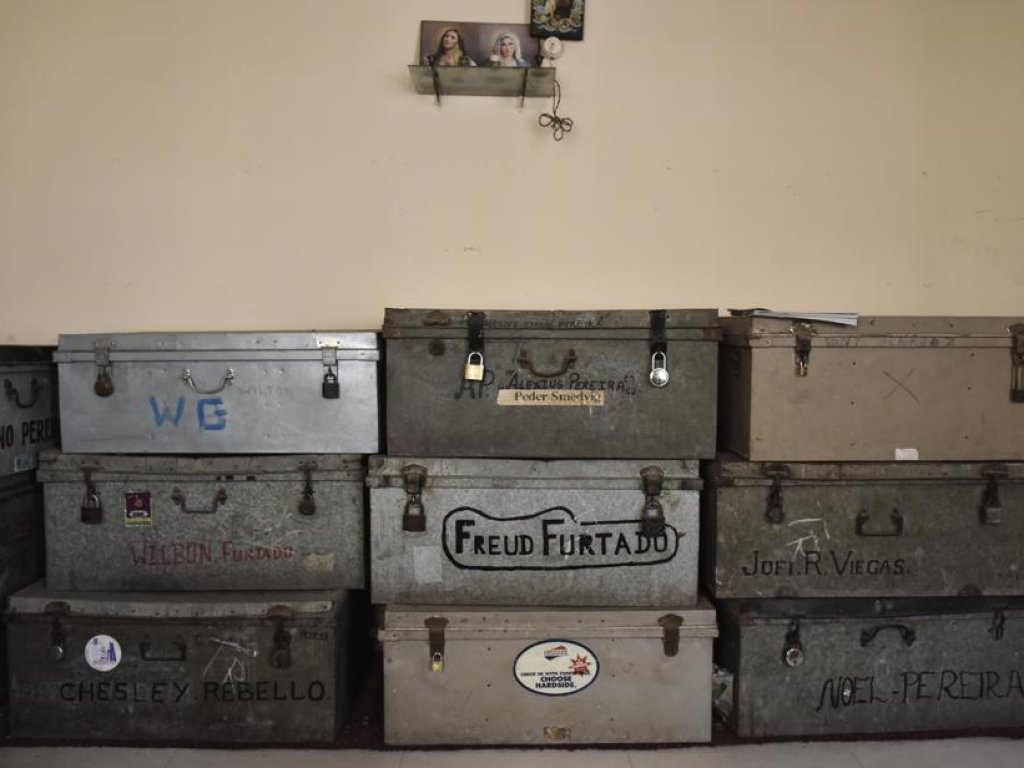
Take the kudds (or residential village clubs) of Bombay or Mumbai (which were also present in places like Poona or Karachi). These provided migrants with affordable accommodation, mutual aid, a supporting infrastructure, hints on how to find jobs, companionship and cultural continuity. Then there were Goan clubs and institutes (in places like Bombay, Karachi, East Africa and quite a few Goan villages too) that serve as social and cultural hubs.
Parish, temple and village associations, caste or religious networks, confraternities and feast committees; and community halls used for meetings, celebrations, sports, music and cultural activities too. The tiatr, mando and music associations also built community. So did sports clubs and youth groups; co-operative societies which came latter, self-help groups and charitable trusts; even alumni associations and professional networks; Goan welfare associations in Mumbai, Delhi, Bangalore (Bengaluru), Hubli (Hubbali) and other Indian cities.
Let us not forget expatriate Goan associations in the Gulf, UK, Canada, the US, Australia and elsewhere. Of late, we've heard more about World Goa Day and global Goan networks that connect communities across borders.
Since the arrival of cyberspace (in the mid-1990s), there have been online e-mailing lists, websites, WhatsApp groups and social-media communities. These have performed some of the networking functions once provided by physical clubs.
Organisations like the expat-driven Goa Sudharop and the Goan Organizations Associations Network (GOAN), also exist and seek to connect diaspora organisations and channel their collective resources towards Goa.
Together, you could argue, these institutions have built a lot. They've created networks of trust, reciprocity, mutual assistance, information-sharing, cultural preservation and collective action. They have also done so often quietly and without fanfare. Many have operated below the radar of formal government and commercial institutions. As such, these represent an important but under-researched part of Goa's social history and its distinctive tradition of community self-organisation.
These cyber-Commons--if you wish to call it that--include public mailing lists, discussion groups, community archives and open databases. (Of the last there have been too few, but some digital books and recorded talks from Goa have been shared on archive.org.)
There have also been freely shared knowledge, public events, volunteer networks. This has all come about from the generosity of individuals, and the recognition that sharing actually makes everyone richer.
As such, these priceless resources belong to everyone and are sustained by the willingness of the people involved to give as well as to receive.
So, those who draw from the 'Commons' need to also contribute back to it. The Commons could be described as the resources that are collectively shared. They are used and even managed by a community rather than being exclusively owned by an individual, corporation or the state.
They can be physical: like the common grazing land that comunidades in Goa once left aside on village hilltops. Or even fishery resources (which ramponkars fought to protect when trawlers came in). Or even village wells and community halls. Comunidades are another example.
Commons can also be intangible. This would include knowledge, open-source software, public mailing lists, cultural traditions and freely accessible information.
It's important to note here that the defining idea is not simply that something needs to be free-of-cost to be part of the Commons. Rather, that the community has a shared interest in maintaining and using it responsibly. This often happens through informal rules of reciprocity and stewardship.
Reciprocity refers to the practice of giving back to others what you have received, in a spirit of mutual generosity. Likewise, Stewardship here means responsible care and protection of shared resources for the benefit of both present and future generations.
So, the Commons depend on people contributing as well as benefiting. They work best when users recognise that what they receive from the collective resource carries a 'price tag'. The price is not in money terms, but by way of a responsibility to preserve, improve and (where possible) pass it on to others.
In times when kudds are closing down, fewer new initiatives are being set up (or, we are not recognising the same, because they come in newer shapes and forms), and citizens seem more focussed on self-interest rather than community interest, a big question comes up here. What is the best way to protect these institutions?
There must be an approach that could help build a simple 'ethic' for everyone who draws upon the Commons. The aim here is to strengthen Goa's long tradition of sharing, mutual aid and generosity.
What is it fair to expect from those who benefit from publicly-shared knowledge, networks and resources?
Maybe the bottom-line is simply this: Share as freely as you take. If you receive knowledge, information, contacts, opportunities or assistance freely from the Commons, make a genuine effort to contribute something back. Take freely, but give freely too. The Commons should not become a one-way resource from which some continually extract while others continually provide.
But this is only the starting point. There's more that's needed here. Maybe we need to think more deeply about a tradition that Goa has nurtured in the past, and one which can indeed take us forward in our present and future too.