TEAM AUTO | THE GOAN
Modern cars are smarter than ever before. Packed with sensors and electronic control systems, they constantly monitor the health and performance of various components. When something isn't working as it should, the vehicle communicates with the driver through dashboard warning lights. While some warnings are simply reminders, others indicate problems that require immediate attention.
Unfortunately, many motorists either ignore these lights or assume they can continue driving without consequences. Doing so can lead to expensive repairs, breakdowns or even compromise road safety. Understanding what these warning lights mean can help you take the right action before a minor issue turns into a major one.
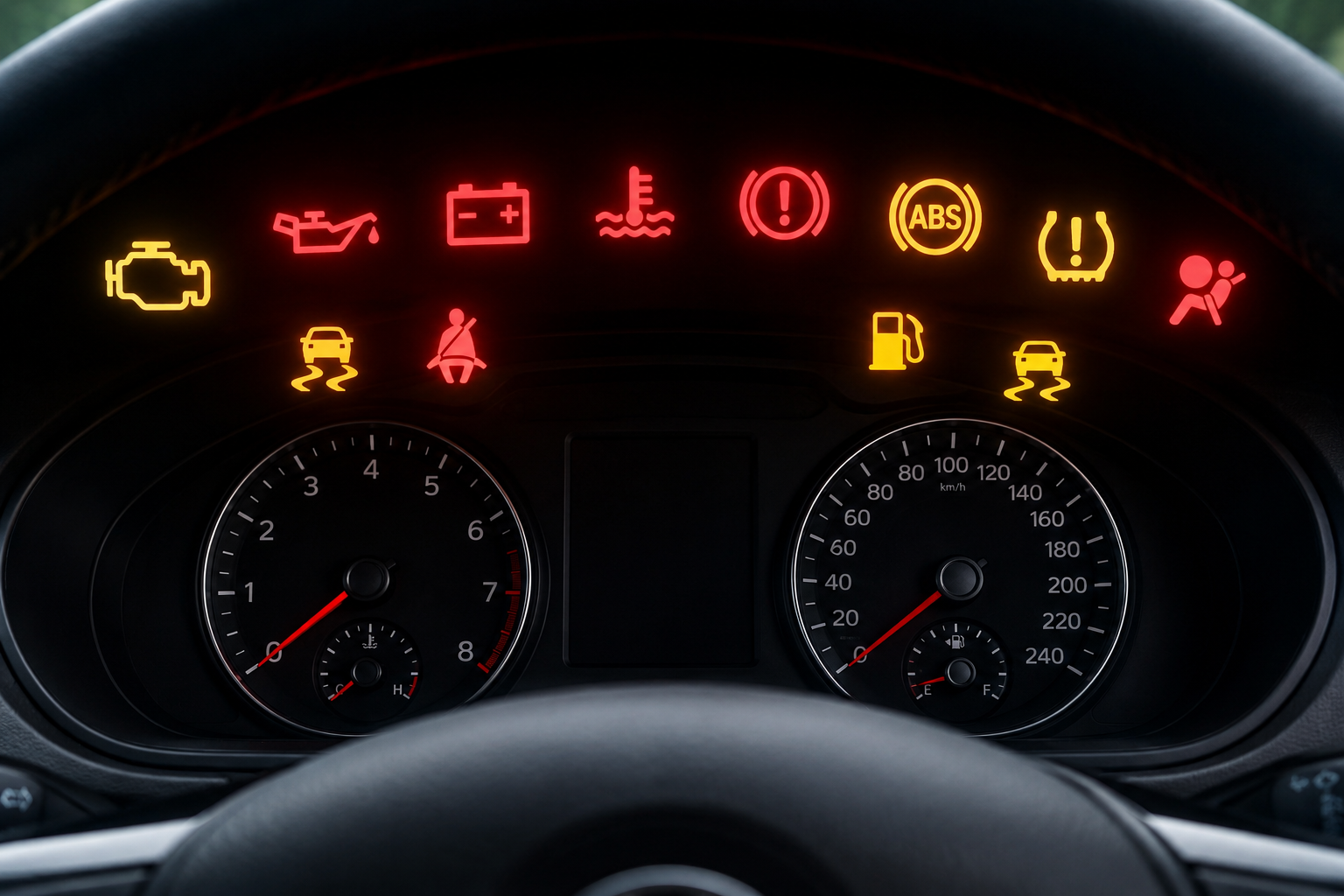
Engine check warning light
Often called the Check Engine Light, this is one of the most recognised dashboard warnings. It usually appears as the outline of an engine and can indicate anything from a loose fuel cap to a serious engine or emissions problem.
If the light remains steadily illuminated, the vehicle can usually be driven cautiously for a short distance, but it should be inspected as soon as possible. However, if the light is flashing, it often indicates a severe engine fault that could cause permanent damage. In such cases, it is safest to stop driving and seek professional assistance.
Engine oil pressure warning
This warning is typically represented by an oil can symbol. It indicates that the engine is not receiving adequate oil pressure.
Low oil pressure can result from insufficient engine oil, a faulty oil pump or a leak. Continuing to drive with this warning illuminated can cause severe engine damage within minutes.
If this light comes on while driving, safely pull over, switch off the engine and check the oil level after allowing the engine to cool. If the oil level is normal but the warning remains, avoid restarting the vehicle and arrange for assistance.
Battery charging warning
The battery warning light usually resembles a battery with positive and negative terminals. Contrary to popular belief, this warning does not necessarily mean the battery itself has failed.
Instead, it often indicates a problem with the charging system, such as a faulty alternator, damaged drive belt or poor electrical connection. Since the alternator supplies power while driving, the vehicle may continue running for a short time using the battery alone. However, once the battery is depleted, the engine may stop and fail to restart.
Ignoring this warning can leave you stranded unexpectedly.
Coolant temperature warning
Represented by a thermometer above waves, this light warns that the engine is overheating.
Driving with an overheated engine can result in warped cylinder heads, damaged gaskets and costly repairs. Common causes include low coolant levels, radiator leaks or a malfunctioning cooling fan.
If the warning appears, reduce engine load, switch off the air conditioning and pull over when it is safe. Allow the engine to cool before checking the coolant level. Never remove the radiator cap while the engine is hot, as pressurised coolant can cause serious burns.
Brake system warning
The brake warning light is usually displayed as a circle with an exclamation mark or the word "BRAKE."
Sometimes it simply indicates that the parking brake is engaged. However, if the parking brake has been released and the warning remains, it may point to low brake fluid, worn brake components or a fault in the braking system.
Since the brakes are one of the most important safety features of any vehicle, this warning should never be ignored. If braking performance feels unusual, stop driving and have the system inspected immediately.
ABS warning light
The Anti-lock Braking System (ABS) warning usually displays the letters "ABS" inside a circle.
If this light comes on, the conventional braking system will usually continue to function, but the anti-lock feature may be disabled. This means the wheels could lock during hard braking, especially on wet or slippery roads, reducing steering control.
While the vehicle may still be driven carefully, the fault should be diagnosed and repaired without delay.
Tyre pressure monitoring system (TPMS)
Many modern vehicles are equipped with a Tyre Pressure Monitoring System, represented by a horseshoe-shaped symbol with an exclamation mark.
This warning indicates that one or more tyres are under-inflated or, in some cases, over-inflated. Incorrect tyre pressure affects handling, braking, fuel efficiency and tyre life.
Drivers should check tyre pressures using a reliable gauge and inflate the tyres according to the manufacturer's recommended specifications. If the warning remains after correcting the pressure, the system itself may require inspection.
Airbag warning light
The airbag warning light usually shows the outline of a seated person with a circular airbag in front.
If this light stays on after the engine starts, it could indicate a fault in the Supplemental Restraint System (SRS). This means one or more airbags may not deploy properly in the event of a collision.
Because airbags play a crucial role in occupant safety, any fault should be rectified promptly.
Electronic stability control warning
This warning often appears as a vehicle with wavy skid marks behind it.
When the light flashes briefly, it usually means the stability control system is actively helping maintain traction on slippery roads. This is normal and indicates the system is functioning correctly.
However, if the light remains continuously illuminated, it may signal a fault in the system, reducing the vehicle's ability to maintain stability during sudden manoeuvres.
Fuel warning light
The fuel warning is perhaps the most familiar dashboard symbol. Although many drivers routinely continue driving after it appears, making this a habit can create problems.
Running the fuel tank extremely low increases the risk of drawing sediment from the bottom of the tank into the fuel system. In addition, electric fuel pumps rely on fuel for cooling and lubrication. Frequently driving with very little fuel may shorten the pump's lifespan.
Refuelling soon after the warning appears is the best practice.
Seat belt reminder
This warning may seem obvious, but it remains one of the most important. The seat belt reminder alerts occupants who have not fastened their belts.
Seat belts dramatically reduce the risk of serious injury or death during a collision. Even on short journeys or at low speeds, wearing a seat belt should never be overlooked.
Don't ignore the signals
Dashboard warning lights are designed to alert drivers before problems become serious. While not every warning requires an immediate stop, every illuminated symbol deserves attention. Learning the meaning of these indicators allows drivers to make informed decisions, prevent costly repairs and, most importantly, improve road safety.
Keeping the owner's manual in the vehicle is also a good habit, as warning symbols and colours may vary slightly between manufacturers. A few minutes spent understanding your dashboard could save you thousands of rupees in repairs—and perhaps even save lives.