MARGAO
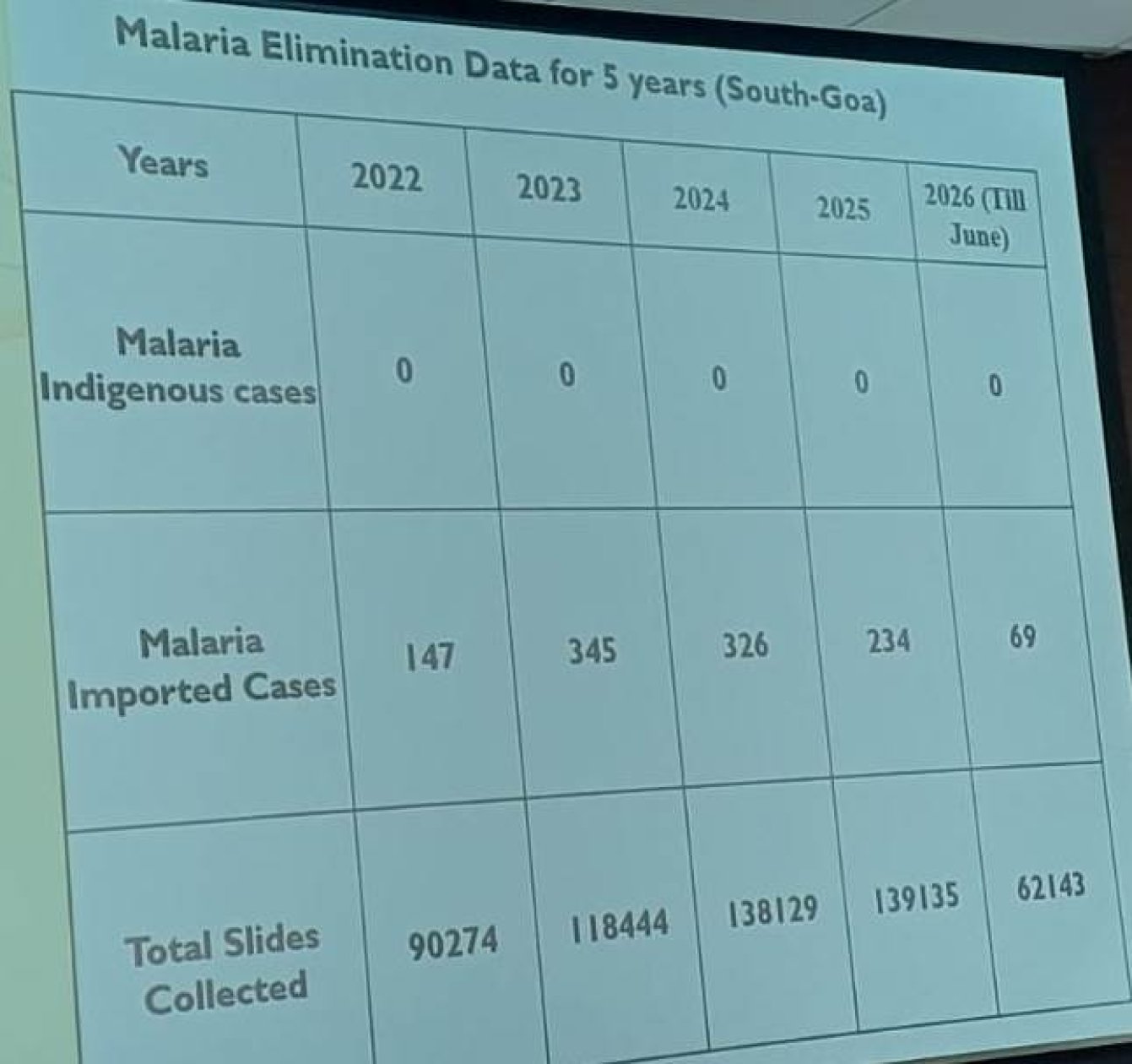
Whether South Goa district is free from indigenous malaria cases became the subject of an intense debate on Wednesday, with health statistics showing zero indigenous malaria cases over the past five years, even as consumer rights activists accused the authorities of “manufacturing” data to secure malaria-free status for the district.
The issue came to the fore during a meeting at the South Goa District Collectorate to review the status of vector-borne diseases. The meeting was chaired by Deputy Collector S. Sattardekar.
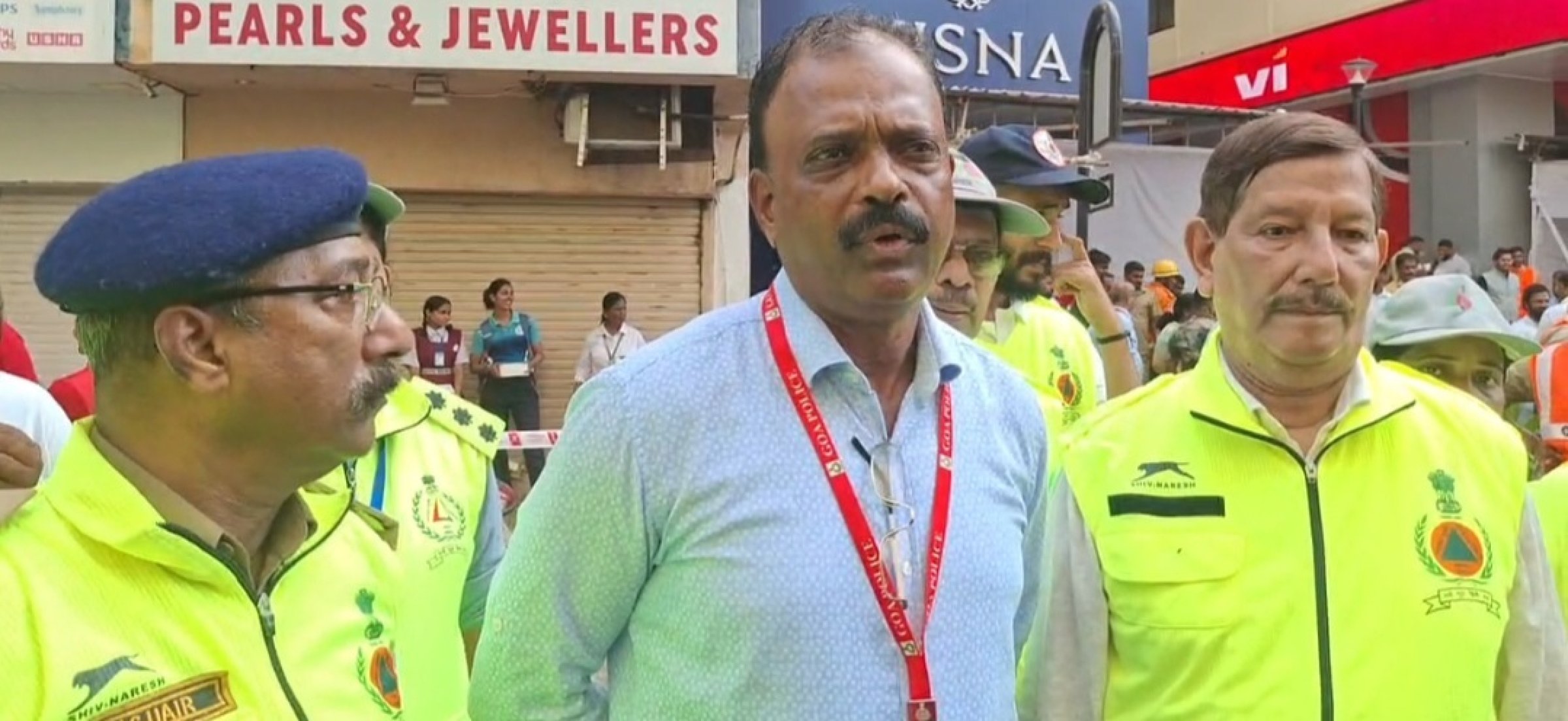
When data on malaria elimination in South Goa for the past five years was presented, consumer rights activists Roland Martins and Lorna Fernandes raised objections over the figures, particularly the claim that the district had recorded zero indigenous malaria cases.
They cautioned that health officials could face legal action, including a Public Interest Litigation, if there was any attempt to manipulate or misclassify cases to establish that the district had achieved malaria elimination.
“This is impossible,” Martins said, questioning how the district could have recorded zero indigenous cases. He alleged that health staff had been instructed to classify malaria cases as imported cases by citing patients’ travel history.
“If this is done, it will not benefit anyone. On the contrary, local bodies and health centres will not make adequate efforts to eliminate malaria because the statistics would show that the district is already malaria-free,” he said.
Martins and Fernandes also questioned health officials on whether the department was claiming that not a single case of malaria had been transmitted locally during 2022, 2023, 2024, 2025 and up to June 2026.
They urged Deputy Collector Sattardekar to take cognizance of their objections and have them recorded in the minutes of the meeting.
A doctor present at the meeting sought to clarify that the health department would not receive any “prize” for reporting zero indigenous malaria cases. However, the doctor said the figures would enable the authorities to issue a certificate declaring the district malaria-free.
Martins also warned that local residents could lose confidence in the health authorities and become reluctant to cooperate with vector-control teams if the official data did not reflect the ground reality.
Meanwhile, the meeting adopted a resolution seeking that fines collected from builders for failing to obtain health cards for migrant workers be sanctioned for creating a dedicated fund to spread awareness about vector-borne diseases.
The resolution was moved after the meeting was informed that awareness programmes on vector-borne diseases were being hampered due to a lack of funds.