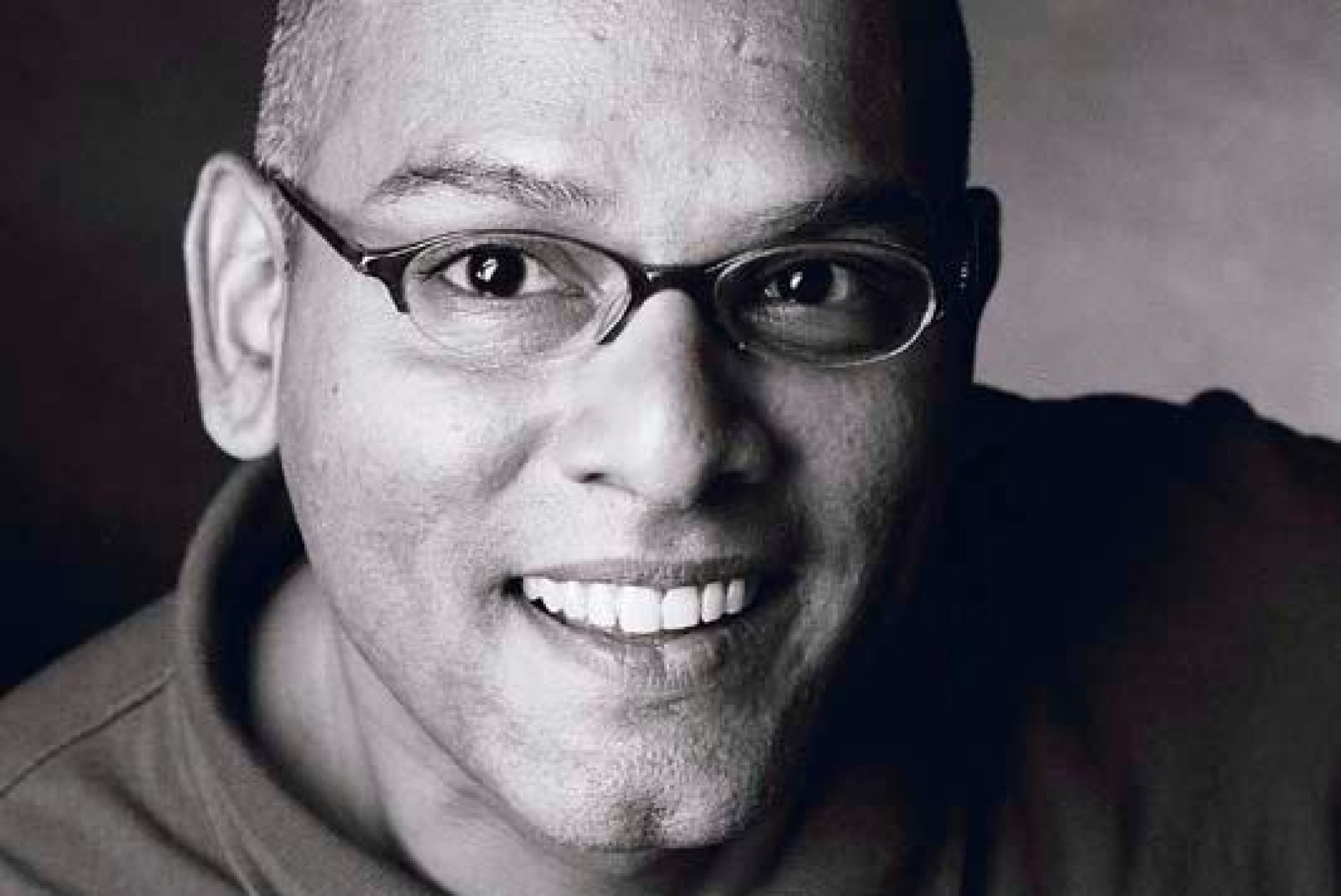
It is often said that we remember and lament the dead only after the passing. Sometimes, the ironic Konkani saying is also quoted: "Mel'lea moshik bara sher dood." Or, the dead buffalo yielded 12 seers (a lot) of milk. Implying we remember (or exaggerated) a person only after their passing.
In a way, this is true. But, it's only a human tendency. We take people for granted. But human life is fragile, and finite. Before we realise it, they're gone. Only then we realise their value.
Last weekend, a friend and colleague pointed to the information of the passing of Alex. If you're not a careful obituary-watcher, you can miss this. Some believe it's better to connect with people when they're around. Or to find some way of memorialising them after they are gone.
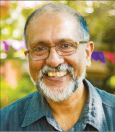
In a quest towards the latter, my thoughts went to Alex Fernandes. Who was he? Many might not know... But, a few who followed his work closely, definitely knew the depths of his talent. It would not be an exaggeration to say he was about the best--if not the best--portrait photographer in Goa that we know of.
This is not to minimise the work of others. Yet, Alex had access to the best of influences, skills and training. He was also around at the right time in Goa (after the 1990s or early 2000s). Technology had significantly matured. Digital photography was capable of creating excellent photographs. Alex has spoken about how he got mentored in the Gulf region, including by Polish photographers.
But to start at the beginning.
Sometime in the 1990s (or was it just later?) we noticed a new photographer on the block. Alex Fernandes, it was said, was a Bombay Goan, who had moved down to Goa after years of skilled training in the Gulf.
From the grapevine, we learnt that the charges for a photography session was something like Rs5000, quite a tidy sum in those days. But the quality of his work really justified the charge, and Alex was known to more than satisfy his clients' expectations. Paisa vasool, as they'd say in Amchi Mumbai.
Alex's portraits were in trademark black-and-white. He would spend time and energy to get your image just right, egging you on gently to create the right pose. One that you would like to remember for years.
Along the way, he created an extremely charming series of Goan tiatrists. There must have been two dozen or more prominent tiatrists in this series, each photographed in a most unusual manner, bringing out their character and charm as only Alex Fernandes could do. Of course, it was in black-and-white.
While completing a book on the book on the tiatr ('When the curtains Fall') by my guide and friend André Rafale Fernandes, we requested Alex permission to reuse one of his lovely pics on the cover. Alex agreed, gratis. But due to some editorial decision, that didn´t happen....
But my tragic equation with Alex didn´t end there. Despite my intense admiration of his work, one could hardly do justice to his talent and skill. Things just didn´t fructify as planned.
Somewhere along the way, I offered to do a longish print interview on his work. He agreed. We sat and spoke at length at his Caranzalem home. It was most educative. As a journalist, feature writer or columnist, you often feel you're learning so much when you talk to someone knowledgeable.
In the world of a freelancer, there can be some ups and downs, delays and false-starts. No, this is not a complaint, just stating reality. By the time it was ready for print some 2-3 months later, Alex was upset with the delay, and withdrew permission for me to have it published.
When my friend-colleague mentioned Alex's passing, I was told that he was upset that I had not delivered with a book we had promised to undertake of his recent work.
For some reason, one had forgotten this completely. A check through Gmail, and its long memory, refreshed the context, though it was 5-6 years ago.
It was to be a charming book of photographs called ´Festacars', a photo of portraits of villagers taken on their feast day. A small team had agreed to this book, even had a preliminary meeting. But again, things failed to fructify, and Alex was, once again, upset.
Yes, not all plans work out as intended, and for this we are responsible. The intention is to get the job done, but this doesn´t always happen. Authors or contributors do get upset, and the buck stops with the person who could not deliver.
After suffering from cancer for quite some years now, Alex passed on at the end of last month. He was ill for a considerable period of time.
I do not feel so guilty about Alex being upset with this project not taking off. But there is scope for serious angst to note that our society fails to acknowledge its achievers, take them seriously, or give them their due.
Unlike some of us, who believe in profligately spreading our work, Alex was cautious about people using his creativity; and one can respect that. But exhibition spaces are perhaps no substitute to visibility in the social media. Too few trails are there, say via @alexfernandesportraits on Instagram (but one could be missing something there).
This is not an alibi, nor is it an excuse. But our society gets poorer as a whole, when we fail to recognise our own. Especially those who do a great job. By some saving grace, I treasure the words I captured with him in a longish chat (not sure where). Tune in to it to know more of a talented man's life and work: https://archive.org/details/alex-fernandes-festacars/ One can also visit https://alexfernandesphotography.blogspot.com/